
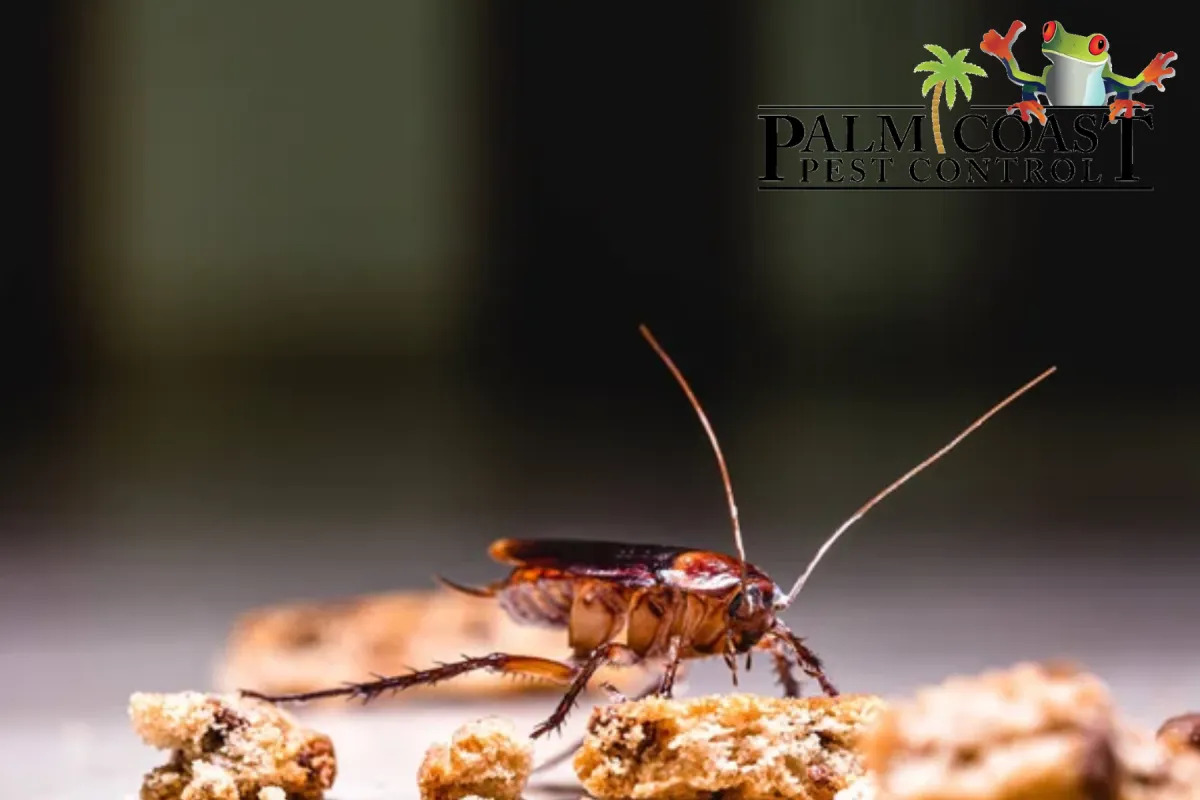
To prepare for a professional cockroach treatment, empty cabinets, clear countertops, clean behind appliances, and store food in airtight containers. This allows the exterminator to access cracks and crevices where pests hide, ensuring effective and safe treatment. A cluttered kitchen or exposed food limits the technician’s ability to apply treatment properly. Proper preparation is key to breaking the infestation’s cycle and restoring your home to a safe, comfortable environment.
It is completely normal to feel a bit overwhelmed when asked to pack up your kitchen, but skipping these crucial steps can compromise the entire cockroach control process. They are nocturnal masters of hide-and-seek. They squeeze into the tiniest gaps between your cabinets, nestle in the warm motor housing of your refrigerator, and thrive on microscopic grease splatters behind your stove. If a technician cannot access these areas, the root of the problem remains untouched.
Furthermore, expert pest control in Melbourne relies heavily on advanced, targeted gel baits rather than broad-spectrum chemical sprays. For these baits to work, they must be the only food source available to the roaches. If your counters have crumbs or if your pantry has unsealed flour, the cockroaches will ignore the professional bait and continue feeding on your groceries. By following a rigorous preparation routine, you are effectively starving the pests and forcing them to consume the treatment.
Follow these steps in sequence to ensure your space is completely ready. Taking the time to do this right drastically improves the treatment’s success rate and protects your belongings.
You must remove every single item from your kitchen and pantry cupboards. This includes all plates, bowls, cups, silverware, pots, pans, and dry goods. When you clear out these spaces, you are exposing the dark corners where roaches lay their egg cases (oothecae). Pack these items carefully into sturdy plastic bins. We recently conducted an intensive clean-out for a family over in the Suntree neighborhood, and simply emptying the drawers revealed three hidden nesting sites the homeowners had no idea existed.
Your countertops should be completely bare. Unplug and remove all small appliances, including toasters, blenders, coffee makers, and microwaves. Cockroaches love to hide inside the warm, crumb-filled base of a toaster. Moving these items to a non-treated room (like a dining room table or living room) protects them from any accidental exposure and gives the technician clear access to the space where the countertop meets the backsplash, a common pest highway.
If you are physically able to do so safely, gently pull your refrigerator and stove away from the wall. You do not need to move them to another room; just pull them out about two to three feet. This grants the exterminator access to the back walls and baseboards. The area behind the refrigerator is a prime harborage due to the condensation and heat generated by the compressor motor.
Place all food, dishware, and utensils into heavy-duty, tightly sealed plastic bins and move them out of the kitchen. Avoid using cardboard boxes if possible, as roaches love to lay eggs in the corrugated ridges of cardboard.
A pristine kitchen removes competing food sources, making professional baits significantly more effective. Cleaning also removes the chemical pheromone trails that roaches use to navigate and signal others to find food.
Knowing how to handle your food items before treatment is crucial for your family’s health and the success of the treatment.
| Item Category | Action Required | Proper Storage Method |
| Unopened Canned/Glass Goods | Keep | Wipe down the exteriors with a damp cloth and store them in plastic bins. |
| Open Cardboard/Paper Packages | Toss or Transfer | Transfer contents (such as cereal, flour, and sugar) to airtight hard plastic or glass containers. If heavily infested, discard immediately. |
| Fresh Produce (Countertop) | Keep | Move all fruit and vegetables to the refrigerator or place them in sealed plastic bins in another room. |
| Pet Food | Toss or Transfer | Discard open bags or transfer the kibble to heavy-duty, airtight pet food vaults. Wash all pet bowls. |
| Small Appliances | Inspect and Relocate | Check inside toasters and coffee makers for pests. Seal in plastic bags and move out of the kitchen. |
Pro Tip: When discarding infested items, do not simply throw them in your indoor kitchen trash can. Place them in a sealed plastic garbage bag and take them to the outdoor dumpster immediately.
An incredibly dangerous and counterproductive myth in the pest management world is that setting off a DIY “bug bomb” (also known as a total release fogger) before the professionals arrive will give them a head start and minimize the prep work you need to do.
The Reality: Bug bombs are highly ineffective against established roach populations and actually make the problem much worse. These over-the-counter foggers do not penetrate deep into the cracks, crevices, and wall voids where cockroaches actually nest. Instead, the irritating, repellent chemicals merely scatter the insects, driving them deeper into your walls and forcing them to spread into previously unaffected rooms, like bedrooms and bathrooms.
When you use a bug bomb, it makes the professional exterminator’s job significantly harder. The pests are no longer congregating in their predictable harborages. Furthermore, the oily residue left behind by foggers coats your surfaces and can render professional, eco-friendly gel baits completely useless, as roaches are repelled by the fogger residue on top of the bait. Relying on quality Melbourne pest control experts from the start saves you time, money, and frustration.
To ensure your home is completely free of pests, we apply our proprietary Exclusion, Sanitation, and Baiting Protocol. This three-tiered approach is designed to eradicate current infestations and build a fortress against future invasions. It works hand-in-hand with the preparation steps you complete.
Before applying any product, we focus on exclusion. This means identifying and sealing the physical entry points where roaches are getting in. During a recent audit for a commercial kitchen in the Eau Gallie district, we found that simply sealing the gaps around the plumbing pipes under the sink cut pest activity in half. We meticulously inspect your baseboards, window frames, and the utility lines entering your kitchen, advising on or directly applying sealants to shut the door on future pests.
Sanitation is a collaborative effort. The deep cleaning and preparation you perform before our arrival are the foundation of this step. Once we are on-site, our technicians evaluate the environment to identify hidden moisture issues (like a slow leak under the dishwasher) or unnoticed food sources. By depriving the colony of water and food, we drastically weaken it, making it desperate and much more likely to consume our treatments.
Instead of spraying harsh, airborne chemicals that can put your family and pets at risk, we utilize advanced, targeted baiting. Because you have eliminated all competing food sources through your sanitation efforts, the roaches are drawn directly to our eco-friendly gel baits. We strategically place micro-dots of bait deep within the cracks, crevices, and cabinet hinges. The roaches consume the bait, return to their hidden nests, and transfer it to the rest of the colony through a cascading effect. This method ensures total colony collapse without coating your living spaces in unnecessary chemicals.
When looking for the best pest control in Melbourne, FL, it is this meticulous, multi-step protocol that ensures the problem is solved at the root, rather than just putting a temporary band-aid on the issue.
Once the treatment is complete, patience is key. You will likely see an increase in roach activity for the first few days. This is normal and actually a sign that the treatment is working! The pests are being drawn out of their hiding spots to consume the bait.
Do I need to wash all my dishes after a cockroach treatment?
If you properly packed away and sealed your dishes in plastic bins before the treatment, as advised, you do not need to wash them. However, if any dishes were left out on the counters or in the cabinets during the treatment process, it is highly recommended that you wash them thoroughly with hot, soapy water before using them.
How long should I stay out of the kitchen after treatment?
This depends on the specific products your technician uses. Generally, you can return to the kitchen immediately after targeted baiting treatments. If a residual liquid spray was used along the baseboards, you should wait until the spray is completely dry, usually about 1 to 2 hours, before allowing children or pets back into the area.
Can cockroaches survive in the refrigerator?
While cockroaches generally prefer warm, humid environments, they can survive in a refrigerator for a short time. However, they are much more likely to infest the warm motor housing, compressor, and insulation at the back and bottom of the refrigerator rather than the chilled interior where your food is stored.
Will I have to prep my kitchen like this every time?
Usually, this intense level of preparation is only required for the initial “clean-out” treatment of an active infestation. Once the population is eradicated, regular maintenance and preventative treatment usually require much less preparation, often just ensuring the floors and counters are generally tidy.
Dealing with pests in the space where you cook and feed your family is incredibly stressful, but you don’t have to face it alone. At Palm Coast Pest Control, we are your experienced neighbors, bringing over 35 years of local expertise in Florida pests directly to your doorstep. We believe in mixing deep technical know-how with friendly, down-to-earth service.
Your family’s safety is our top priority. We utilize the latest, proven treatment methods that are child- and pet-safe, offering eco-friendly solutions that never sacrifice effectiveness. Whether you need immediate help with a severe kitchen infestation or comprehensive care for pests, termites, rodents, and your lawn, we are the only provider you need to call.
We know how urgent these situations can be, which is why we offer same-day and emergency service for rapid relief. Best of all, we stand by our work with a 100% satisfaction guarantee: the pests don’t come back, or we do.
Ready to experience the peace of mind that comes with a protected home? Let our family help yours. Contact us today and get a free quote.


