
We’re a 2025 Nextdoor Neighborhood Faves winner! Thank you to our amazing neighbors for your support and votes. Visit our Nextdoor Business Page to see what’s new and share what you love most about our business. #NeighborhoodFaves

Centipedes and millipedes are two types of multi-legged arthropods commonly encountered in and around homes. Though they may look alike at first glance, they have different behaviors, diets, and impacts on human environments. This guide provides essential information on how to identify these creatures, understand their habits, and manage their presence.
Read More

What Are Centipedes and Millipedes?
Centipedes and millipedes both belong to the class Myriapoda, which includes many-legged creatures. They share a segmented body structure but differ in several key characteristics:
Centipedes
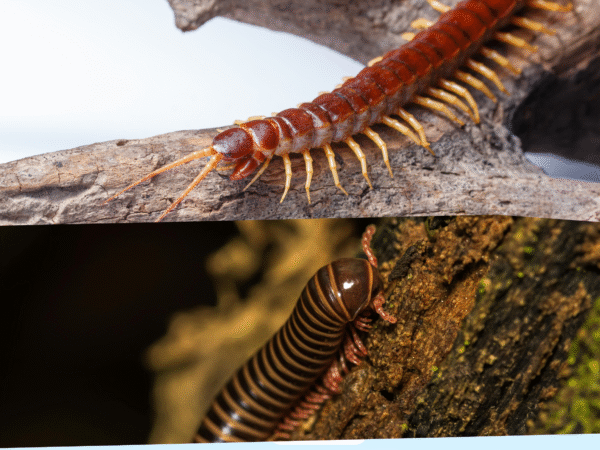
Centipedes have long, flattened bodies with one pair of legs per body segment. They are fast movers and predatory by nature, using venomous front claws (forcipules) to capture insects and other small animals.
Millipedes
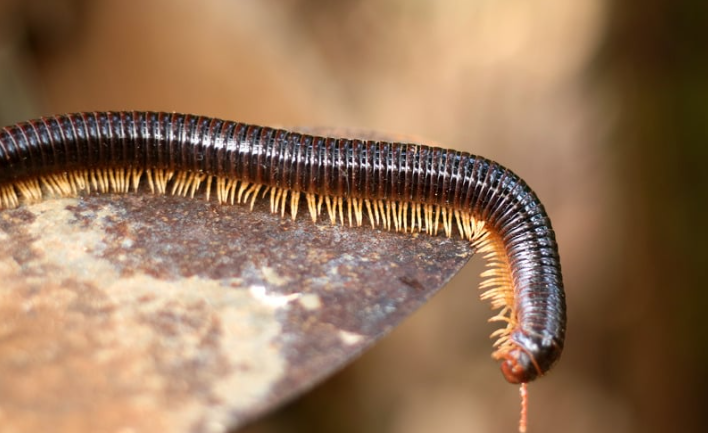
Millipedes have rounded bodies with two pairs of legs per segment. They are slow-moving detritivores, feeding mainly on decaying plant material and contributing to natural decomposition processes.
Get 10% OFF Your Initial Service!
Call (561) 575-4005 or Fill out the form below so we can best help you!
Centipedes thrive in dark, damp environments such as basements, bathrooms, and crawl spaces. They hunt insects and spiders, which helps pest control. Millipedes prefer moist outdoor areas like mulch, soil, and leaf litter but sometimes migrate indoors during wet weather or seasonal changes.
Centipedes can bite if handled or provoked. While their bite is venomous, it is rarely dangerous to humans but may cause pain, swelling, and irritation. Their presence usually indicates a healthy insect population they prey upon.
Millipedes do not bite but can release a foul-smelling fluid as a defense. This secretion can cause minor skin irritation or staining but is not toxic.
Both seek shelter and moisture indoors, particularly during extreme weather conditions. Cracks, gaps, and damp areas offer easy access and hospitable environments. Large outdoor populations nearby can increase the chance of them entering your home.
Let us put our experience to work and provide you with effective fire ant control solutions that bring you peace of mind.
If centipedes or millipedes become persistent indoors or in large numbers, professional assessment is recommended. These infestations can signal underlying moisture or other pest issues that require comprehensive solutions.
Why Choose Palm Coast Pest Control
Highly Trained Pest Library – Centipedes and Millipedes Experts
Over 35 Years of Experience
Your Satisfaction 100% Guaranteed
Children & Pet Safe Solutions
Free Quotes Available & Save 10%
At Palm Coast Pest Control, our experts specialize in identifying and managing centipede and millipede problems effectively. We perform detailed inspections to locate entry points and environmental conditions contributing to infestations. Using targeted treatment and exclusion methods, we help keep these pests out while protecting your home’s integrity.
Our team prioritizes safe, environmentally conscious approaches tailored to your property’s unique needs. Whether it’s a minor nuisance or a significant infestation, trust us to provide fast, thorough, and lasting pest management solutions. Learn more about us.
Contact us Palm Coast Pest Control today for a free consultation and let us help you maintain a comfortable, pest-free home.
Although they may look similar, they have different behaviors. One has a single pair of legs on each body segment and is a fast-moving predator that feeds on insects. The other has two pairs of legs on each body segment, moves more slowly, and feeds primarily on decaying plant material.
These pests are attracted to moisture and sheltered areas. They often enter homes in search of food, water, or protection from changing weather conditions. Damp basements, crawl spaces, bathrooms, garages, and other humid areas provide ideal hiding spots and can increase the likelihood of indoor activity.
These pests are generally not considered dangerous. While one may bite if handled, bites are uncommon and are typically mild for most people. The other does not bite or sting but may release a defensive fluid that can cause minor skin irritation. Professional pest control can help manage infestations and reduce the chances of future problems.
Our company begins with a thorough inspection to identify entry points, moisture issues, and areas of pest activity. We then apply targeted treatments and recommend exclusion methods to help reduce infestations and prevent future pest problems.
Reducing excess moisture, sealing cracks around your home’s exterior, repairing leaks, and removing leaf litter, mulch, or other damp organic debris near the foundation can help discourage these pests. Routine services also provide long-term protection.