
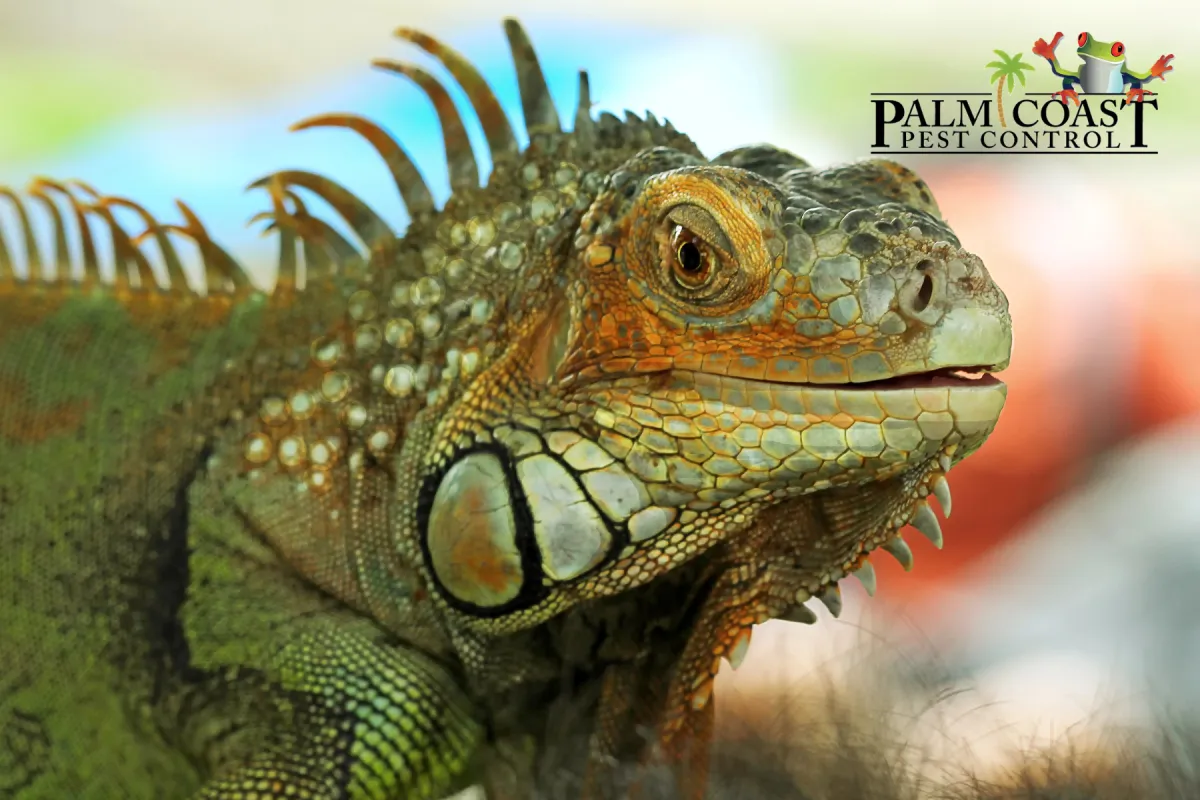
To safely remove iguanas from your property without harming them, modify their habitat by removing attractant plants, fill in active burrows, and install smooth tree collars to prevent climbing. Live trapping using species-specific wire cages baited with sweet fruits allows for secure capture. However, because state laws prohibit the live relocation and release of invasive iguanas, captured reptiles must be handled according to strict state guidelines or transferred to licensed handlers.
Perimeter Control: Safe Deterrence and Capture Standards
Beautifully landscaped waterfront yards, docks, and pool decks face unique environmental challenges over the course of the year. While a lush garden full of colorful flowers provides incredible aesthetic value to a home, it also acts as a powerful beacon for large, non-native reptiles looking for an easy meal. Over time, these invasive animals can overrun a property, tearing apart expensive vegetation and burrowing deep into structural foundations.
When checking your yard, it is important to realize that unchecked population growth of these reptiles is not just a minor threat to your flowers. Their deep tunneling activities under walkways and seawalls can quickly lead to severe structural erosion. To protect your property, you must understand how to safely remove iguanas from your property without harming them through a combination of exclusion and live capture.
The table below breaks down the most effective, harm-free methods for iguana control, helping discourage and manage invasive reptiles on residential properties.
| Method Type | Action Taken | Operational Benefit |
| Habitat Modification | Clear preferred vegetation (like hibiscus and orchids) and fill burrow entries with gravel. | Removes the primary food source and nesting incentive, forcing reptiles to seek new territory. |
| Physical Exclusion | Install slick metal tree guards and wire mesh along seawalls or docks. | Stops reptiles from climbing into high basking spots or tunneling underneath your landscape. |
| Live Cage Trapping | Utilize large wire live-traps baited with melon, mango, or bright flowers. | Secures the reptile safely without causing physical injury or stress during the extraction process. |
Property owners dealing with these persistent reptiles often struggle to maintain their pristine landscape features. During a recent structural audit for a home, our team found multiple deep burrows eroding a decorative retaining wall. If you notice large reptiles basking on your walkways, getting professional pest control in Palmetto, FL support can quickly stabilize your yard before structural damage worsens.
The daily routines of cold-blooded reptiles follow a strict environmental schedule based on sunlight and heat. Understanding these behavioral patterns is essential when looking at how to safely remove iguanas from your property without harming them.
Our company tracks the reptiles’ routines to find their primary basking decks, seawalls, or tree canopies. Next, our team uses continuous, non-harmful disruptions like hanging reflective discs or installing motion-activated water devices to make the habitat uncomfortable. We then position specialized traps in high-traffic basking areas for a few days to get the reptiles used to the devices before adding bait. Finally, we monitor the traps closely during the daytime to guarantee the captured animals remain in the shade while awaiting transport.
During an evaluation for a residential property owner, we observed that a lack of early exclusion barriers allowed multiple reptiles to nest under a pool deck. Utilizing experienced pest control in Palmetto ensures these developing nesting phases are addressed with professional accuracy.
A common industry misconception is that the kindest, most humane way to handle a trapped reptile is to drive it out to a local canal, park, or wooded area and release it back into nature. While homeowners do this with good intentions, it actually creates a much larger environmental problem.
Green iguanas are classified as an invasive, prohibited species because they destroy native habitats, erode shorelines with deep burrows, and multiply rapidly. Moving a captured animal to public land simply transfers the structural and ecological destruction to another neighborhood. State fish and wildlife regulations strictly forbid the live release of non-native reptiles back into the wild. Once it is captured, it cannot be legally relocated; it must be handled by licensed specialists. Setting up proper Palmetto pest control inspections ensures your property is managed in full compliance with state rules.
To manage an invasive wildlife problem on your property, it helps to understand the professional language used by wildlife management teams.
When handling a persistent wildlife issue, homeowners often worry about the costs of property maintenance. Trying to resolve a reptile overpopulation problem using temporary retail repellents or small, unweighted traps rarely provides a lasting solution. Large reptiles are incredibly strong and can easily tip over basic cages or simply ignore visual deterrents once they are accustomed to eating your prize hibiscus plants.
Trapping a large reptile without understanding its defensive behavior can also lead to painful bites or deep scratches from their sharp claws. Long-term property protection requires a comprehensive wildlife strategy that combines professional-grade tools with permanent physical adjustments to your yard.
At Palm Coast Pest Control, we know that protecting your home from invasive reptiles requires a careful balance of local experience and technical precision. Celebrating over 35 years in business, our company uses an integrated approach based on exclusion barriers, trapping and removal, and habitat modification. We deliver a humane and effective process for trapping and excluding invasive iguanas, giving you total peace of mind.
Our process begins with a thorough inspection by a trained specialist to identify active burrow networks and primary basking zones. Our team uses specialized traps baited with sweet fruits to safely secure the animals, ensuring humane treatment from start to finish. Once the immediate population is managed, our company installs heavy-duty exclusion barriers around docks, decks, and seawalls to block future entries. When our company treats general yards for insects, we always prioritize child- and pet-safe, eco-friendly solutions like environmentally friendly and safe pesticides to keep your entire outdoor space healthy.
By mixing deep technical know-how with a friendly, neighborhood approach, our company ensures your home and landscaping stay fully protected from invasive pests.
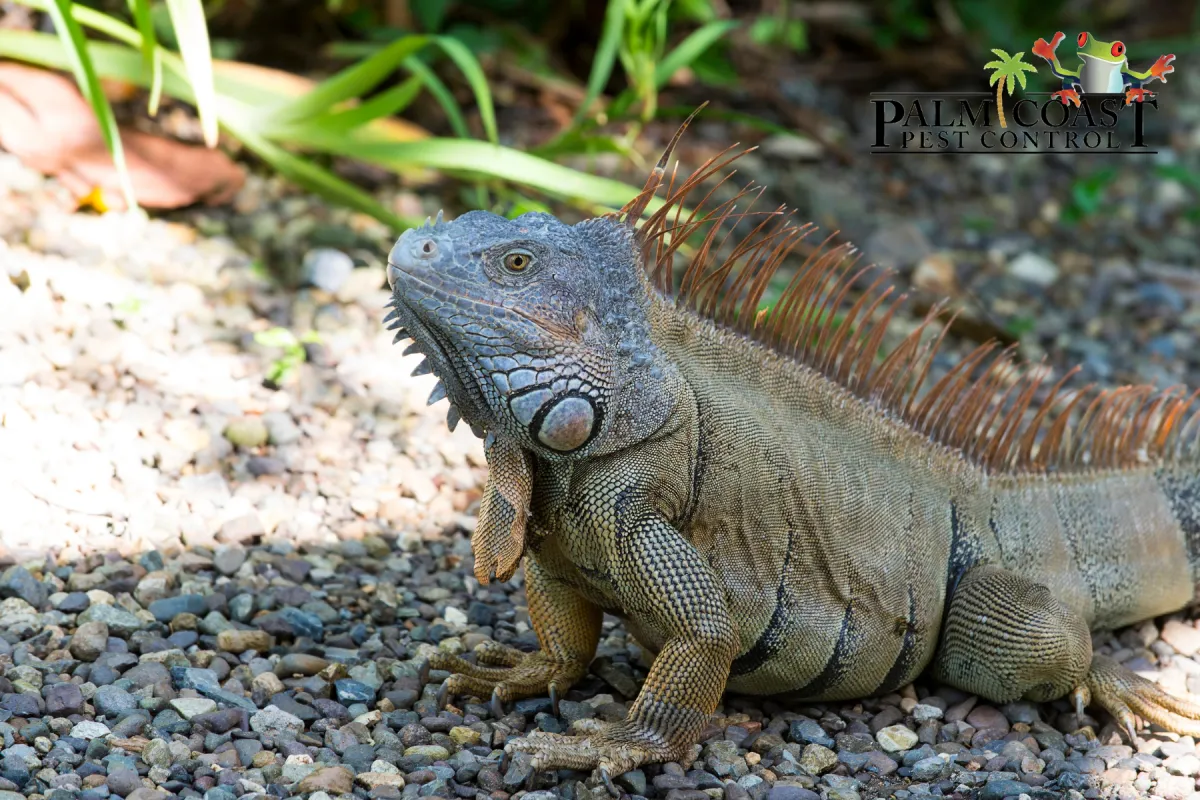
No, homeowners do not need a license or permit to trap invasive green iguanas on their own private property. However, you must have explicit landowner permission if you are helping a neighbor, and the capture process must comply with state anti-cruelty guidelines.
Brightly colored flowers like hibiscus blossoms and sweet, ripe fruits such as sliced mango, watermelon, or cantaloupe are incredibly effective at drawing them into live traps due to their strong visual and scent cues.
They naturally avoid confrontation with humans and will try to run away when approached. However, if they are cornered, handled improperly, or trapped, they can deliver painful bites, inflict deep scratches with their sharp claws, or whip their tails defensively, making professional handling the safest choice.
Learning how to safely remove iguanas from your property without harming them depends entirely on combining smart landscape modifications with secure live-capture techniques. Because state regulations strictly manage invasive species, resolving a large population problem demands a professional strategy focused on permanent physical exclusion.
At Palm Coast Pest Control, our family-run team mixes advanced local knowledge with honest, neighborly service. We conduct every inspection with total integrity, ensuring you receive personalized solutions tailored to your property with no hidden fees. We stand behind our workmanship with a 100% satisfaction guarantee to give you true protection.
Tired of invasive reptiles destroying your beautiful landscaping? Contact us today to schedule your free inspection, claim your 10% new-customer discount, and secure your property permanently.
