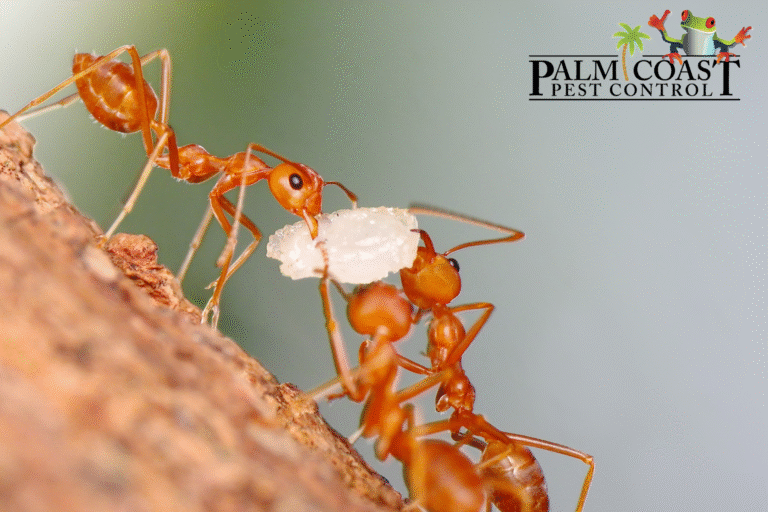
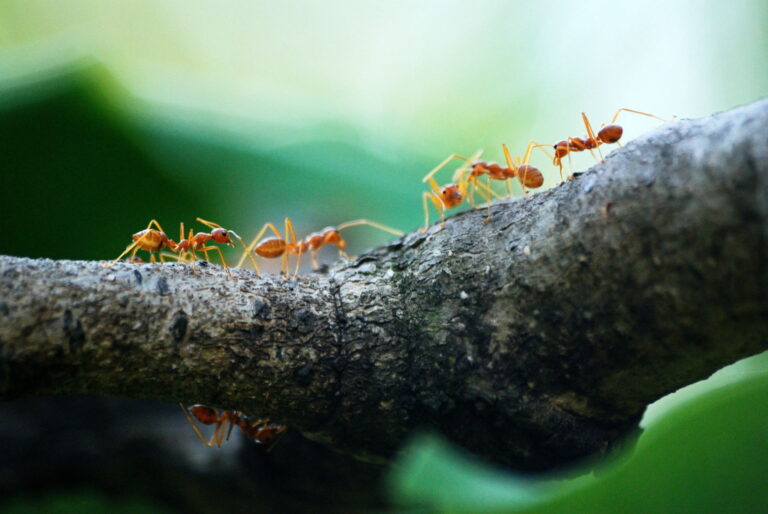
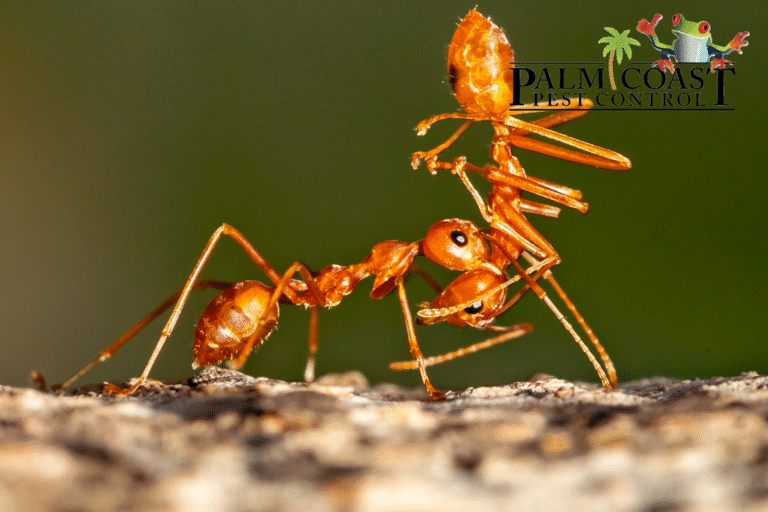
Big Headed Ants are an invasive species commonly found in Florida’s subtropical climate. Known for their aggressive behavior and super colonies, these ants can be a significant nuisance to homeowners and businesses alike. Big-headed ants in Florida are particularly hard to control because their colonies can have multiple queens. These ants create sprawling colonies that can cross property lines, making them especially troublesome for landscape and property maintenance.
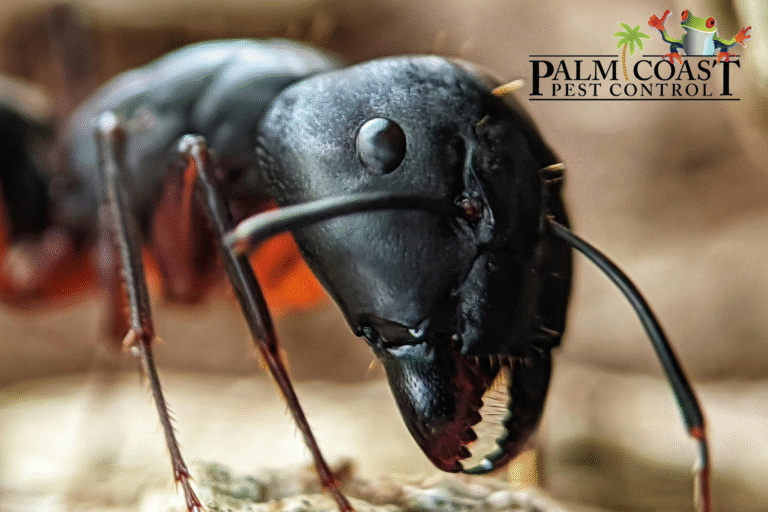
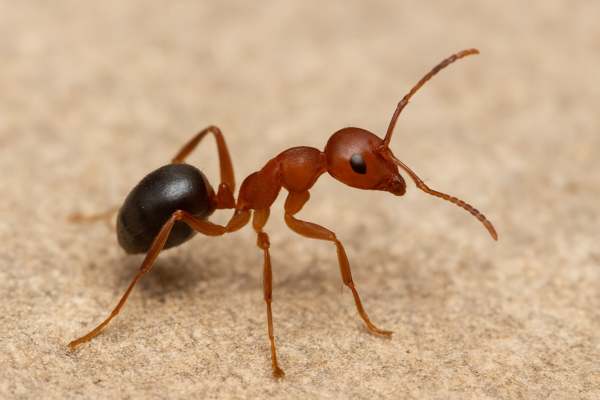
Big Headed Ants (also called Big Head Ants in Florida) are notorious for their aggressive nature and their ability to rapidly form super colonies. These ants are dimorphic, meaning their worker ants come in two distinct sizes: major workers with large heads and minor workers with smaller heads. The large-headed major workers are easily recognizable, giving these ants their distinctive name. Effective ant control is essential to prevent these invasive pests from taking over your property and spreading to neighboring areas.
These ants are soil-nesting creatures, thriving on a diet of smaller insects and sweet honeydew found in the landscape. In Florida’s warm, humid environment, Big Headed Ants can be particularly problematic, quickly establishing large nests. Their nests are often found in flower beds, lawns, under concrete slabs, or in cracks between patios and pavers. In some severe cases, Big Headed Ants can even invade homes, much like termites, burrowing under concrete and moving into wall voids or attics in search of food.
The spread of Big Head Ants in Florida is a result of their ability to build super colonies—a network of smaller colonies that work together. This allows them to expand rapidly, carrying food back and forth between colonies. As a result, Big Head Ants can be found across a large area, with their nests potentially spanning multiple properties. In their areas where the climate supports their lifestyle, the threat of an infestation is even higher. Jupiter pest control services can help manage these super colonies and prevent them from taking over your property.
Unlike termites, which damage wood directly, Big Head Ants don’t typically compromise the structural integrity of buildings. However, their ability to build extensive nests in the soil can damage outdoor structures and landscaping. They can also cause frustration by infiltrating homes, especially kitchens, where they forage for food. When their nests invade your home’s exterior or even walls, you may find ants swarming in large numbers, especially when they start searching for food indoors.
Big-headed ants are often mistaken for other ant species, such as fire ants, because their nests are similar. If you notice dirt piles or mounds near sidewalks, patios, or under concrete slabs, it’s a strong sign that Big Head Ants are present. They commonly build their nests in areas with minimal disturbance, so places like flower beds, lawns, or the gaps between pavers are prime real estate for these pests.
If you suspect Big Head Ants are nesting inside your home, keep an eye out for the following signs:
Since Big Head Ants in Florida are known for their expansive colonies, eliminating them can be tricky. DIY methods like using bait traps or sealing entry points may work temporarily, but professional services are typically needed to effectively treat these pests. A pest control in Jupiter, FL can assess the extent of the infestation, locate multiple nests, and implement specialized treatments designed to target the entire colony.
Preventing Big Headed Ants in Florida requires regular maintenance and vigilance. Here are some helpful tips to keep these ants out of your home:
Dealing with Big Headed Ants in Florida can be frustrating, but with the right prevention and treatment methods, you can protect your home and landscape from these invasive pests. Whether you choose DIY strategies, natural solutions, or professional services, the key to controlling Big Headed Ants in Florida is to act early and stay proactive. For homeowners, Palm Coast Pest Control offers tailored pest management solutions that target persistent ants and keep your home ant-free.
Need Help with Big-Headed Ants in Florida?
Contact us today for expert pest control services in Jupiter, FL. Let us help you eliminate ants and protect your home year-round.
1. What’s the best way to control Big Headed Ants in Florida?
The most effective way to control Big-Headed Ants is to hire a professional service. They can perform a thorough inspection, identify nests, and implement treatment strategies designed to eliminate the entire colony.
2. Are Big Headed Ants harmful to my home’s structure?
While they don’t typically damage wood like termites, Big Headed Ants can cause damage to landscaping, driveways, and patios. They can also invade homes, causing frustration and discomfort.
3. How can I prevent Big Headed Ants from entering my home?
The best prevention method is to seal cracks and crevices, remove food sources, and ensure your landscape is well-maintained. Regular treatments can also help prevent infestations.
From Trails to Nests: How the Best Ant Killers Tackle Every Stage of an Infestation