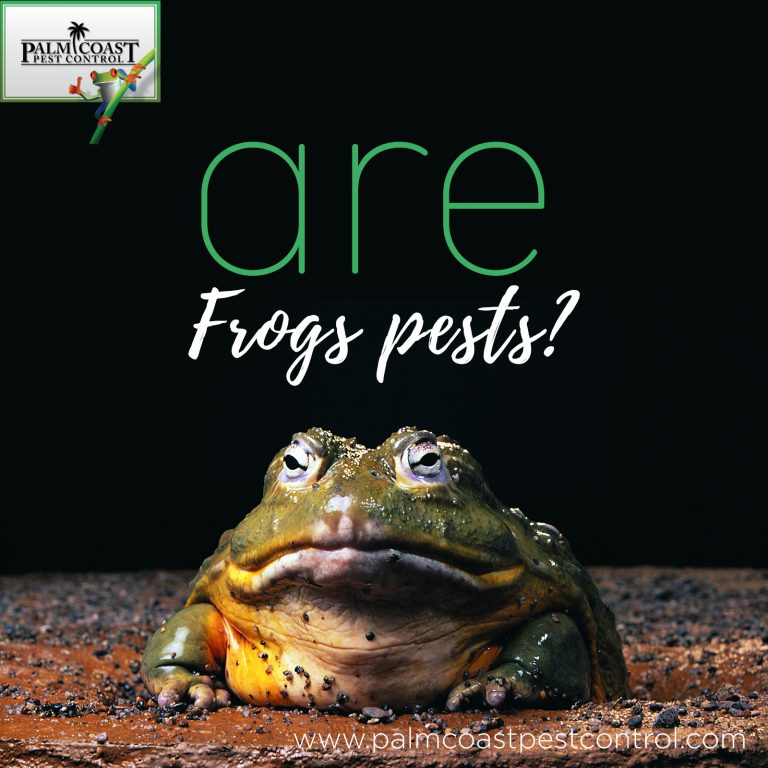
Frogs are not typically considered pests, but in Florida, certain invasive frog species can become a serious problem for homeowners. While most native frogs are harmless and beneficial, invasive frogs such as cane toads and Cuban Treefrogs can pose health risks to people, pets, and property. When this happens, professional pest control North Port FL services are often needed to manage the issue safely and legally.
Most frogs found in Florida are native species and play an important role in the ecosystem.
Native frogs:
In these cases, frogs should be left alone and are not considered pests.
So, are frogs pests in North Port?
They can be when invasive species are involved or when their presence creates safety concerns.
Frogs may be considered pests when they:
This is when North Port pest control professionals are needed.
Cane Toads are one of the most dangerous invasive frogs in Florida.
Key risks include:
Cane Toad activity increases during the rainy season, making frog pest control North Port especially important for pet owners.
Cuban Treefrogs are commonly found in urban areas.
Problems they cause include:
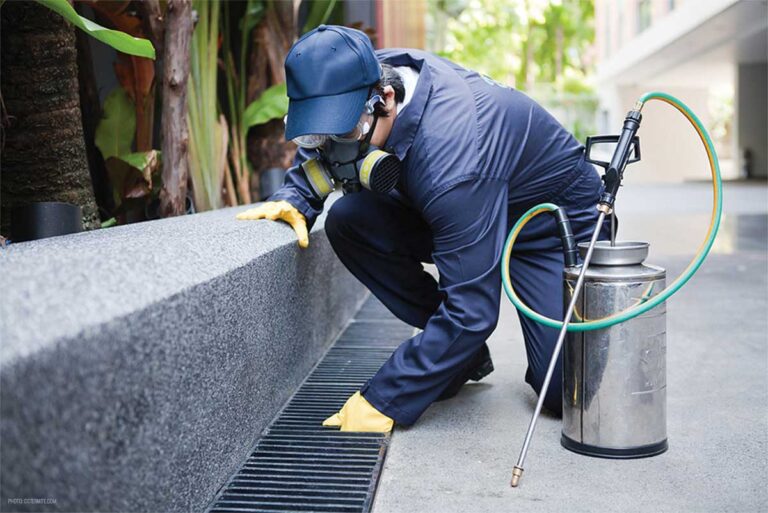
Professionals determine whether frogs are native or invasive.
Invasive frogs are removed legally and safely.
Moisture, debris, and attractants are addressed.
Reducing insects removes a primary food source for frogs.
Exclusion and monitoring help prevent repeat issues.
These steps reduce risk, but professional help may still be required.
You should contact a professional if:
Early intervention prevents escalation.
So, are frogs pests?
Most of the time, no. But when invasive frogs threaten pets, people, or property, they become a legitimate pest control issue. For North Port residents, understanding the difference and acting early is key.
Working with a trusted local provider like Palm Coast Pest Control ensures your home remains safe, compliant, and protected.
Contact us today for professional pest control that North Port homeowners and businesses trust.

Most frogs are not pests, but invasive species can become a serious problem.
Yes. Cane Toads are highly toxic to dogs and cats.
Yes. Pest control professionals in North Port, FL, can safely manage invasive frog issues.
Native frogs help reduce mosquito and other insect populations.
Invasive species may be removed, but native frogs should not be relocated.