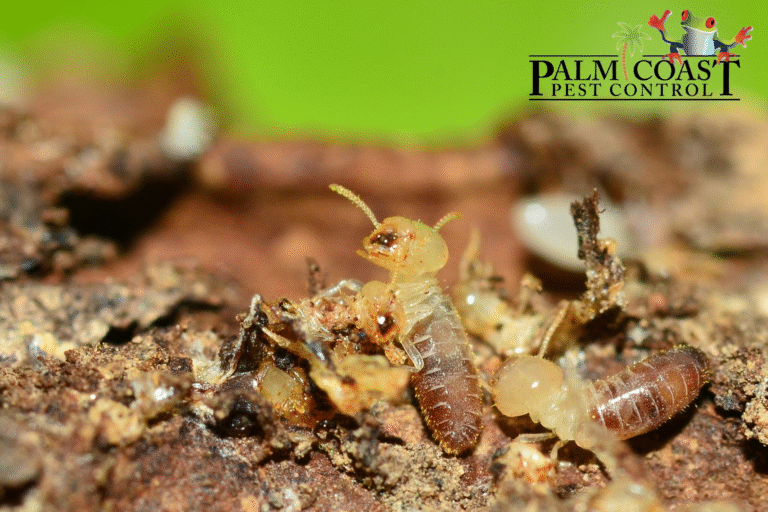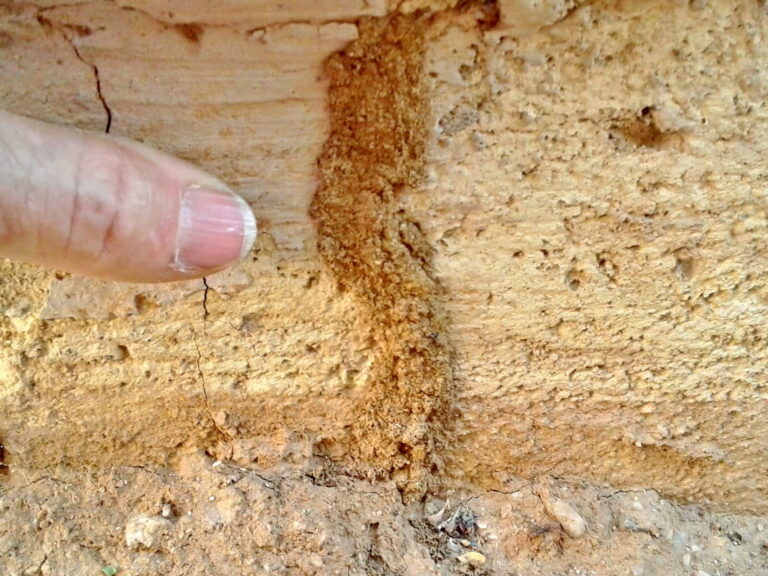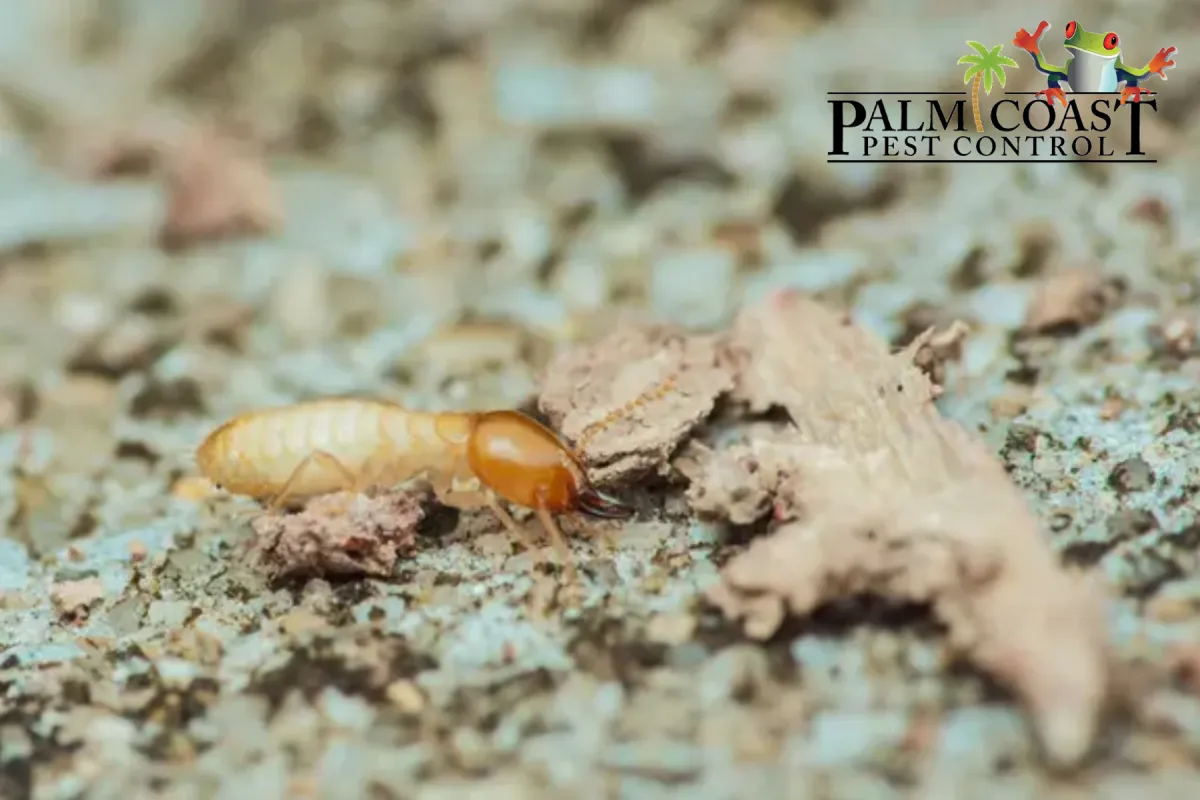
To inspect a concrete slab foundation for subterranean termites, search for mud tubes on exterior stem walls, hollow-sounding wood near baseboards, and discarded wings on windowsills. Focus on “expansion joints” and plumbing penetrations, as termites use these tiny structural gaps to bypass concrete barriers and access your home’s framing.
Identifying Entry Points: Why Slabs Require Vigilance
Subterranean termites are the most destructive wood-destroying organisms in Florida, often causing thousands of dollars in damage before a homeowner even realizes they are present. Because many modern homes are built on concrete slabs, the point of entry is often hidden beneath the floor or behind the drywall. During a recent audit for a client in a beautiful Melbourne neighborhood, our team found that while the exterior looked pristine, termites had bypassed the concrete by following a plumbing line through the bath trap.
Maintaining the structural integrity of your home is a top priority, and early detection is the only way to avoid costly repairs. This is why pest control in Melbourne is so critical; our local soil and humid climate provide the perfect environment for massive subterranean colonies to thrive. By learning the early warning signs, you can protect your equity and enjoy the peace of mind that comes with a secure home.
Subterranean termites are cryptic, meaning they spend most of their lives hidden from view. However, they must maintain a specific moisture level to survive, which forces them to build tell-tale structures. If you suspect your home is under attack, look for these specific indicators of a breach in your subterranean termite control defenses:
| Evidence Type | Active Infestation Sign | Old/Inactive Sign |
| Mud Tubes | Moist, dark, and sturdy | Brittle, dry, and crumbles easily |
| Wood Texture | Soft, damp, or contains live insects | Dry, brittle, “honeycombed” galleries |
| Swarmers | Live winged insects near light | Piles of uniform, translucent wings |
| Wall Appearance | Bubbling paint or “dirt” spots | Pin-sized holes with no debris |
If you notice “dirt” in the corners of your ceiling or baseboards, do not ignore it. This is often the byproduct of termite tunneling. Many residents seeking Melbourne pest control initially mistake these signs for dust or water damage, but early professional intervention is key.
A systematic approach is required to locate the “bridge” between the soil and your internal wood framing. Our team at Palm Coast Pest Control recommends performing this check every quarter, especially after heavy rains.
A common misconception about a concrete slab is that it acts as an impenetrable shield against termites. In reality, termites do not eat concrete, but they are experts at navigating the cracks within it. As homes settle over time, concrete slabs naturally develop hairline fractures. A subterranean termite only needs a gap as thin as a credit card (approximately 1/32nd of an inch) to enter.
Furthermore, most slabs have purposeful openings for utility lines and bath traps. These areas are rarely sealed airtight, providing a “path of least resistance” for foraging colonies. Relying solely on the presence of concrete for protection often leads to “silent” infestations that go unnoticed for years, until structural damage becomes irreversible.
At Palm Coast Pest Control, we believe in Advanced Defense with professional treatment systems. Simply treating the area where you see a mud tube is like treating a symptom without addressing the disease. Our family-run team uses a multi-layered defense strategy that goes beyond the surface.
Our advanced treatment uses a high-quality, non-repellent termiticide. Traditional “repellents” simply push the termites to another part of your foundation. Our modern approach ensures that termites pass through the treated zone and unknowingly carry the solution back to the colony’s heart, achieving total eradication.
With 35+ years of experience, we have the technical expertise needed to protect Florida homes. We prioritize child- and pet-safe, eco-friendly solutions that don’t sacrifice effectiveness. We treat you like a neighbor because we have been your neighbors for decades.
The soil conditions along Florida’s east coast are unique. Sandy soils allow subterranean termites to move rapidly and build deep nests that are difficult for an amateur to locate. When you choose Palm Coast Pest Control, you are choosing a provider that understands these local variables. Whether you are in a firm in a local business park or a residential home in Melbourne, we provide honest inspections and quotes with integrity.
Our Your Satisfaction 100% Guaranteed policy means you can rest easy. Pests don’t come back, or we do. We are one provider for pests, termites, rodents, and lawn care, so you don’t have to juggle multiple companies to keep your property healthy and beautiful.

Can termites really get through solid concrete?
No, termites cannot eat or tunnel through solid concrete. However, they can squeeze through cracks as small as 1/32 inch that form during the settling process or around plumbing penetrations.
How often should I have my slab home inspected for termites?
Given the year-round pest pressure in Florida, we recommend a professional inspection at least once a year. However, homeowners should perform their own perimeter checks every quarter.
What is the best subterranean termite control method?
The most effective method is a combination of liquid soil barriers and baiting systems. Our advanced treatment utilizing non-repellent termiticide is widely considered the gold standard for total colony elimination.
You deserve to feel secure in your home. Don’t let the “hidden” nature of subterranean termites cause you stress. Palm Coast Pest Control is here to offer rapid relief and long-term protection. We offer Free Inspections and 10% off the first service to make getting started easy for our neighbors.
Ready to secure your foundation against silent invaders? Schedule your free inspection today. Let our experienced team provide the pest control you need to keep your home safe, protected, and thriving year-round.