
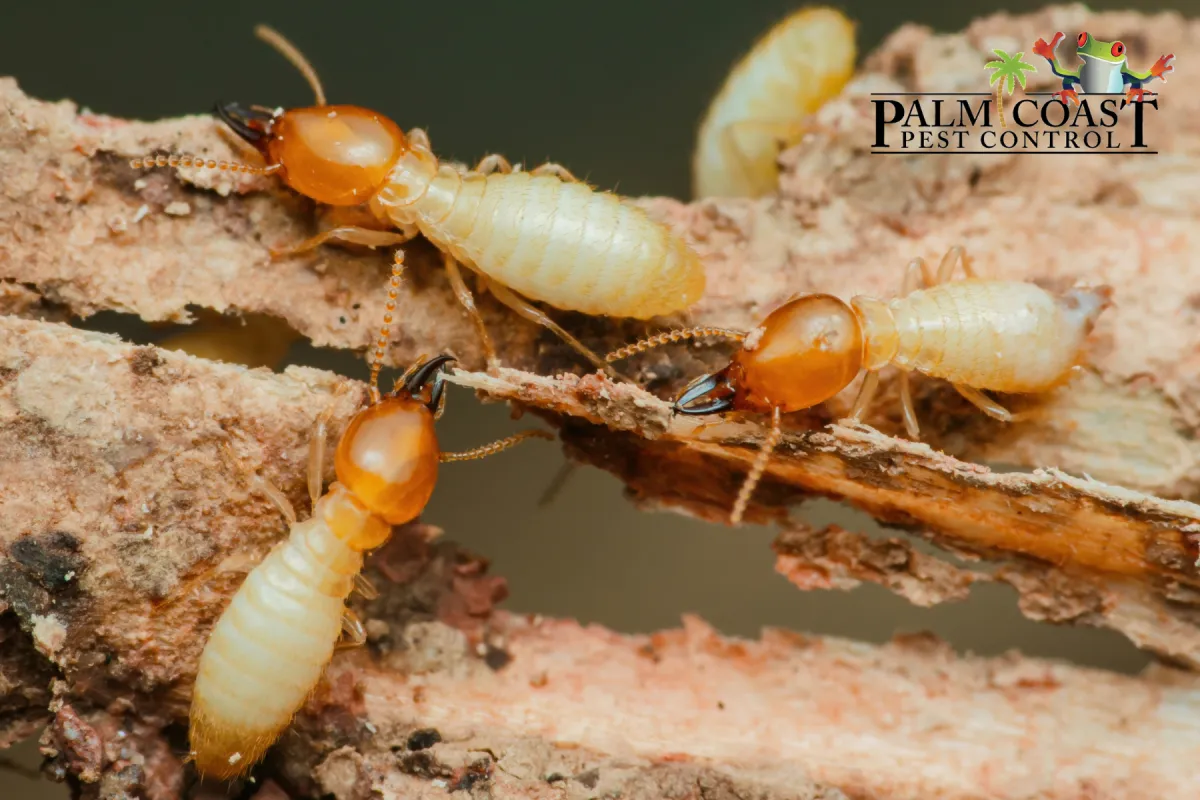
The earliest signs of a damp wood termite infestation include velvety-smooth wood surfaces, fecal pellets (frass) accumulated near water leaks, and the presence of discarded swarmer wings. Unlike other species, they hide deep inside wood with high moisture content. Catching these subtle, early indicators prevents costly structural wood rot from destroying your home.
Exterior wooden trim, floor joists, and support beams bear the brunt of seasonal humidity year after year. While a finished wooden structure looks completely solid from above, its structural stability depends entirely on the condition of the material hidden inside. Over time, environmental stress and moisture build-up test the load capacity of your structural framing. When a building has hidden water leaks or lacks proper ventilation, these wood-destroying insects find a perfect environment.
When checking your property, it is common to overlook the early signs because these insects do not build obvious mud tubes on the outside of walls. These issues indicate deep subsurface moisture imbalances that rapidly worsen if left unaddressed. Proper damp wood termite control begins with understanding the exact physical conditions that cause these pests to thrive, helping preserve the value and safety of your property.
The table below contrasts normal moisture wear with the subtle early indicators left behind by established colonies.
| Physical Evidence | Normal Moisture Damage | Early Termite Infestation |
| Wood Surface Texture | Soft, stringy, or covered in dark mold spores. | Visually smooth, hollowed out underneath a paper-thin exterior layer. |
| Fecal Deposits | No distinct solid shapes or groupings present. | Tiny, elongated hexagonal pellets (frass) packed into galleries or ejected into small piles. |
| Swarmer Evidence | No biological insect parts or wing fragments. | Discarded wings of equal size found near exterior light sources or wet wood. |
Property owners looking for professional damp wood termite control often deal with highly humid environments. This persistent humidity puts constant physical stress on residential structures, making advanced property checks critical for a lasting result. If you notice soft wood around your rooflines or patio doors, seeking specialized pest control in Fort Myers, FL can quickly break this frustrating cycle before the colony spreads.
The ongoing presence of wood-destroying insects follows a strict seasonal clock. Understanding this timeline is the first step toward reclaiming your living spaces from hidden invaders.
Our company evaluates properties starting in the warm, humid evenings when winged reproductive swarmers emerge to search for wood with a high moisture percentage. The paired insects then find an entry point, such as a wood-to-soil contact area, a leaking plumbing line, or a damaged roof valley, and seal themselves inside to lay eggs. As the larvae grow, they eat the decaying wood from the inside out, using their own wet frass to build airtight interior walls to keep their environment humid. Finally, when internal galleries become overcrowded, the insects kick small holes in the wood surface, push out excess pellets, and immediately plug the hole back up.
During a recent structural assessment for a residential property owner, we tracked a colony actively nesting inside an exterior door frame near a malfunctioning sprinkler head. This behavior shows why traditional surface application treatments fail if you do not address the environmental factors and moisture trails behind the infestation. Utilizing experienced pest control in Fort Myers ensures these critical steps are managed with professional precision.
A common industry misconception is that termites are aggressive drillers that will happily chew through bone-dry, structurally sound framing lumber. While subterranean species can travel into dry areas using mud tubes, damp wood termites strictly require high moisture content to survive.
These pests do not attack healthy, dry structures. They are secondary invaders that target lumber already suffering from active plumbing leaks, poor ventilation, or direct soil contact. If you only treat the area without fixing the source of water, the surrounding wood remains completely vulnerable to recurring infestations. Relying on basic visual checks without addressing local moisture profiles only delays real protection, allowing the colony to grow larger and more dangerous. For comprehensive home protection, setting up regular Fort Myers pest control checks ensures these problems are caught before structural failures occur.
To successfully protect your property from wood-boring insects, it helps to know the biological and technical terms behind their nesting habits.
When dealing with a persistent pest problem, it is common to wonder about the balance between DIY fixes and professional care. Many property owners start by trying consumer-grade alternatives found at local home improvement stores. While an over-the-counter retail product can temporarily knock down an active insect on a low beam, these retail treatments lack the lingering strength required to clear out a large, hidden colony. More importantly, retail products do nothing to neutralize the active entry points or treat the deep galleries where wood-destroying organisms hide.
Attempting to treat a large or hidden nest without proper safety gear and technical experience can also lead to incomplete eradication, leaving hidden pockets of the colony to keep chewing through your home’s supports. True, permanent protection requires a strategic treatment plan that stops the immediate threat and seals off the property to prevent recurring nesting patterns down the road.
At Palm Coast Pest Control, we understand that a safe, pest-free home requires more than just basic surface treatments. With over 35 years of experience in managing local pests, we provide professional, eco-friendly pest management services built to break the cycle of recurring infestations. Our team delivers a one-stop solution for all things pest-related, ensuring your property stays secure from the foundation to the roofline.
Our service begins the moment you call. We offer same-day services for rapid relief when you suspect an urgent infestation. A certified specialist will perform a thorough inspection by a trained specialist to identify active galleries, calculate moisture levels, and track structural vulnerabilities. Based on this analysis, we establish flexible treatment plans that prioritize family- and pet-safe treatments without sacrificing effectiveness. When we apply treatment, our company utilizes specialized termiticides injected directly into active galleries, eliminating the colony safely and efficiently. To guarantee long-term protection, we implement customized preventative plans that combine ongoing monitoring and treatment to stop future swarms from targeting your home.
By pairing modern science with a friendly, neighborly approach, our company ensures your home remains a safe and comfortable space for your family all year long.
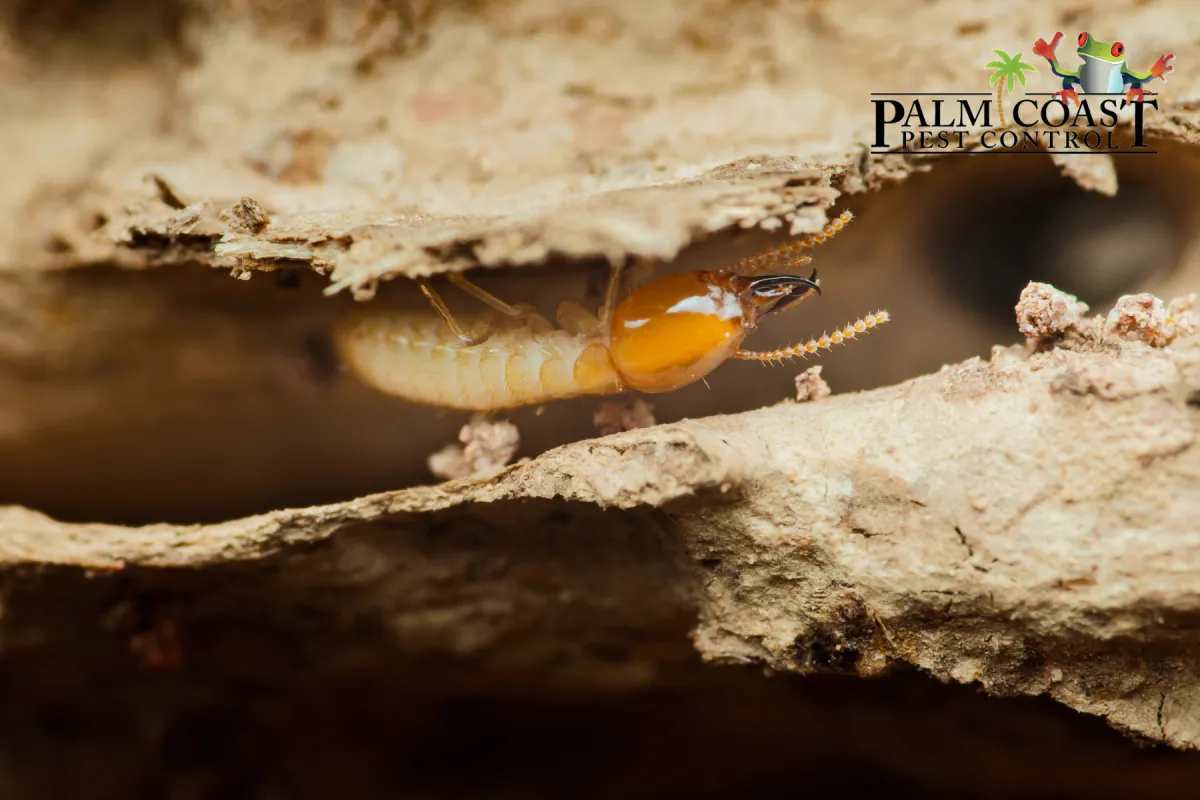
Damp wood frass pellets have a distinct rounded, six-sided appearance, but because they live in a very wet environment, the pellets often stick together, lose their sharp edges, and look like small clumps of wet sawdust. Dry wood frass stays completely dry, hard, loose, and easily rolls out of wood gaps.
No. Unlike subterranean species, damp wood termites do not need to build mud tubes to travel across open spaces or retain moisture. They stay entirely enclosed inside the damp wood piece they are actively eating, making them much harder to spot with a simple visual check.
Fixing the water leak will slowly dry out the wood, which stops the colony from expanding. However, established colonies can hold onto internal moisture for a long time by sealing off their galleries with frass, meaning a professional application treatment is still necessary to clear them out safely.
Catching a damp wood termite infestation early depends entirely on spotting hidden moisture problems and subtle biological clues like frass or discarded wings. Breaking this frustrating cycle requires looking beyond basic insect removal and targeting the invisible moisture zones and entry paths that attract queens every single season.
At Palm Coast Pest Control, our team treats every customer like a neighbor, blending deep technical know-how with friendly, down-to-earth service. Our family-run team believes in conducting inspections and quotes with honesty and integrity, ensuring you receive the best personalized solutions tailored to your specific needs with no hidden fees. We stand firmly behind our work with a 100% satisfaction guarantee; if the pests come back, so do we at no extra charge. Our primary goal is to eliminate your pest concerns, leaving you with total peace of mind and protection.
Think you might have a hidden moisture or pest problem? Contact us today to schedule your free inspection, claim your 10% new-customer discount, and secure a long-lasting solution for your home.
