
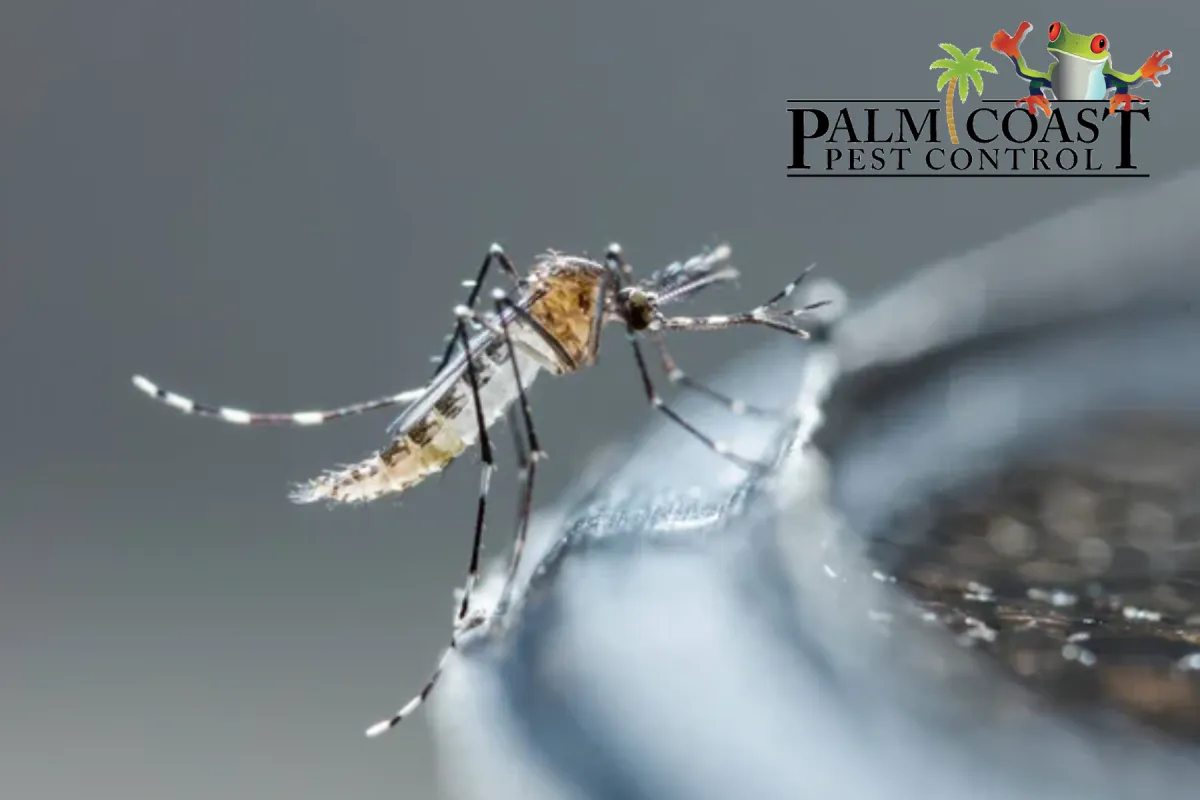
Identifying hidden mosquito breeding grounds requires systematically checking your yard for stagnant water, focusing on microenvironments such as clogged gutters, flowerpot saucers, and corrugated downspouts. Because they need only a bottle-cap amount of water to lay eggs, finding and drying these concealed reservoirs disrupts their reproductive cycle before larvae mature into biting adults. Implementing a strict inspection routine ensures that your outdoor spaces remain protected, safe, and comfortable.
When temperatures rise, outdoor patios and backyards become central to daily life. However, active biting insects can quickly force families indoors, making an otherwise functional backyard unusable. Many property owners try to solve this by spraying topical repellents or lighting citronella candles, but these methods only provide temporary relief. For real, long-term results, you must identify and eliminate the specific aquatic environments where females lay their eggs. Throughout our service areas, discovering these hidden pools is the foundational step toward establishing effective, long-lasting mosquito control.
Most people know to empty obvious water collectors like plastic bird baths, neglected swimming pools, and uncovered pet bowls. The real challenge comes from hidden micro-habitats that remain completely invisible from a casual glance. For instance, roof gutters clogged with fallen leaves hold inches of standing water high above the ground, creating an uninterrupted breeding environment for thousands of nuisances. Similarly, flexible corrugated plastic downspout extensions feature internal rib folds that trap pockets of stagnant water after every rainstorm. Securing experienced pest control in Melbourne, FL, ensures that every hidden aquatic vector is identified before a major infestation takes root.
| Yard Zone / Feature | Visibility Level | Water Retention Potential | Primary Risk Vector | Mitigation Frequency |
| Clogged Roof Gutters | Low (Hidden from ground view) | High (Debris dams hold deep water pools) | Massive egg raft development out of human sight. | Semi-annually (Spring & Fall) |
| Corrugated Downspout Extensions | Low (Internal ribbing obscures water) | Moderate to High (Water traps inside fins) | Persistent larval development inside flexible pipes. | Monthly check |
| Tarps & Boat Covers | Moderate | Moderate (Folds collect sagging puddles) | Perfect shade and water mixture for fragile larvae. | After every rain event |
| Tree Holes & Plant Cavities | Low (Natural camouflage) | Low to Moderate (Rot holes retain rainwater) | Organic-rich water feeds larval bacteria colonies. | Seasonally |
| Bird Baths & Pet Bowls | High | High (Continuous open water source) | Rapid, visible surface egg-laying by adult females. | Every 3–5 days |
Understanding the basic biology of the lifecycle explains why tiny, hidden pockets of water are so dangerous. Mosquitoes undergo a complete metamorphosis that includes four distinct stages: egg, larva, pupa, and adult. The first three stages must take place in standing water. If you remove the water, you stop the next generation of biting insects from ever developing wings.
Dealing with a severe mosquito problem can quickly rob you of your peace of mind and prevent your family from enjoying your outdoor landscape. At Palm Coast Pest Control, we believe you shouldn’t have to suffer through constant itching and worry about bugs every time you step outside. We are a premier, family-owned and operated company with over 35 years of local expertise. Our team mixes deep technical knowledge with a friendly, down-to-earth approach, treating every client like a true neighbor.
We do not believe in offering generic, rushed barrier sprays that only mask the issue for a couple of days. Instead, we protect your home with an integrated mosquito control program tailored to your property’s unique layout. Our trained, professional technicians conduct thorough site audits to map out the moisture characteristics of your landscape. Depending on your yard’s specific needs, we use advanced technologies, including targeted misting, InZecto traps, or a combination of both, to deliver rapid, lasting relief.
During a recent property inspection for a home in Melbourne, our team discovered that while the main lawn was clear, a series of hidden tree hollows and unlevel fence post caps were breeding hundreds of larvae every week. To solve this, we do more than treat the vegetation; we can also apply exclusion services to block mosquitoes from entering hidden crawlspaces, wall voids, and porch enclosures. By pairing source reduction with elite, EPA-registered products, we eliminate current infestations while hardening your yard against future breeding cycles. We back all of our workmanship with a 100% satisfaction guarantee: if the bugs come back, we’ll come back completely free of charge. Choosing a trusted team for your Melbourne pest control means securing a safe, worry-free environment where your kids and pets can play freely.
A very common and misleading myth in property management is the belief that if your yard does not feature a large retention pond, a swimming pool, or a muddy marshland, you cannot produce mosquitoes. Many homeowners assume that small items around the patio are completely harmless. This assumption is false and often prevents people from identifying the true source of their pest problems.
Common backyard nuisances often breed in tiny artificial containers rather than large ponds. Small items like plastic toys, bottle caps, or sagging covers can hold enough standing water for larvae to grow safely, away from natural predators like fish, frogs, and dragonflies. This makes removing small hidden water pockets one of the most important steps in mosquito control.
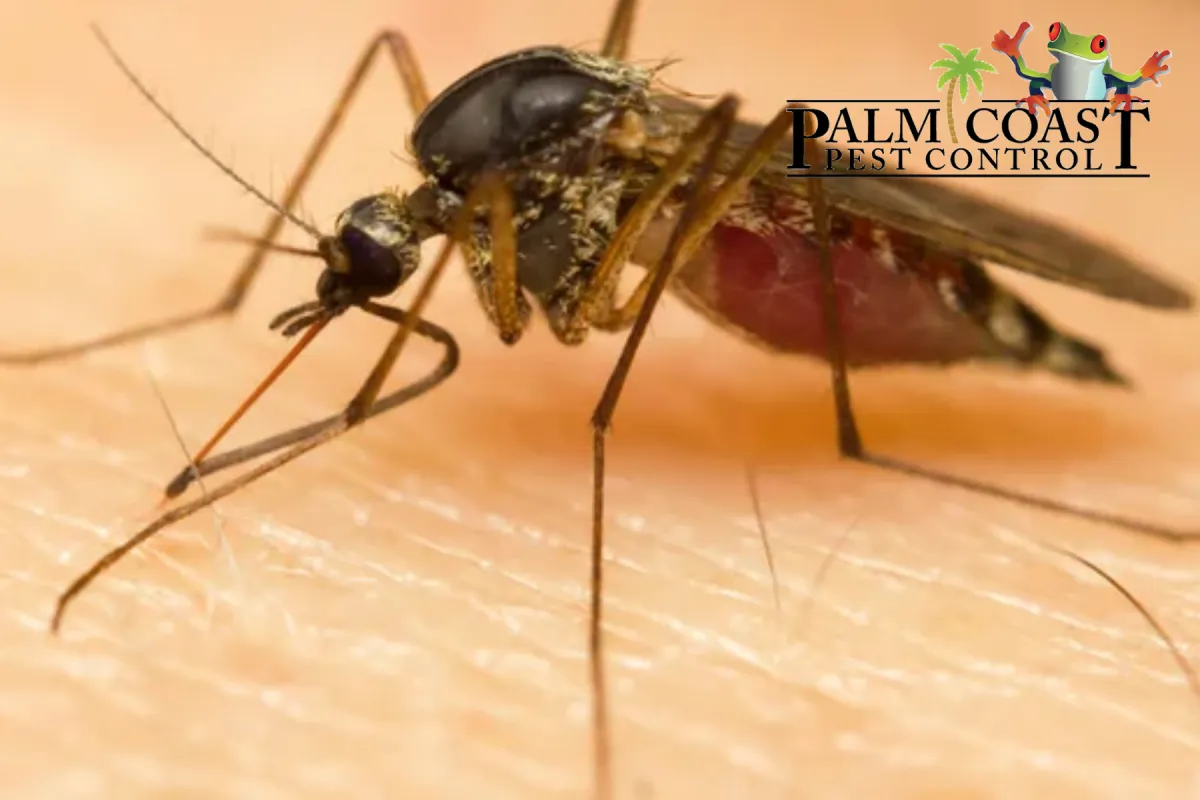
No, eggs need standing water to hatch, and larvae must stay submerged to survive. However, some species’ eggs can remain dormant in dry or damp areas for months until rainfall triggers hatching.
No, adding gravel or decorative river rocks to a planter saucer does not solve the problem. Water will still accumulate in the spaces between the rocks beneath the surface, creating a shaded, hidden reservoir that protects eggs and larvae from evaporation and predators. The best solution is to tip the saucers over completely after every heavy rainstorm.
InZecto traps attract egg-laying mosquitoes by mimicking dark breeding containers. Their treated interior walls eliminate both females and their eggs on contact, stopping the reproductive cycle without airborne spraying.
Enjoy your backyard with confidence, knowing that Palm Coast Pest Control provides honest inspections, clear communication, and child- and pet-safe, eco-friendly solutions. With 35 years of local experience, we handle bugs, termites, rodents, wildlife, and lawn care, backed by a 100% satisfaction guarantee.
Are you ready to clear out every hidden breeding ground and enjoy a bite-free summer? Explore our advanced treatments and connect with our friendly local experts today. Contact us today to schedule your complete inspection and claim your 10% new-customer discount. Let our experienced family protect yours.

