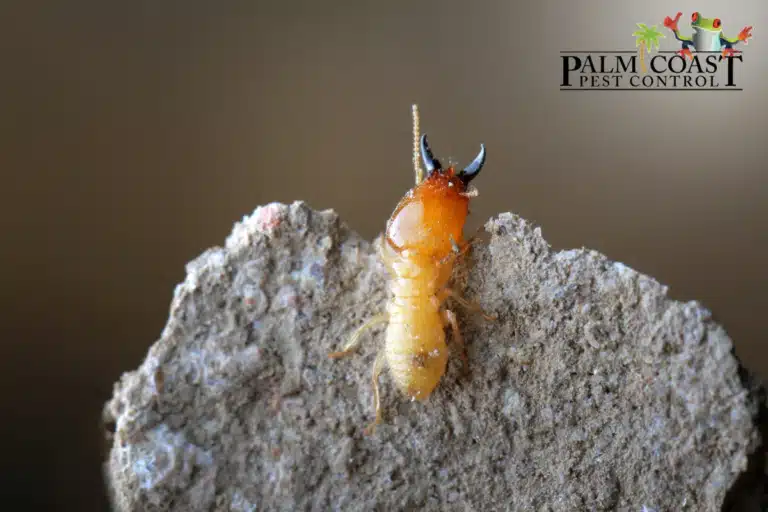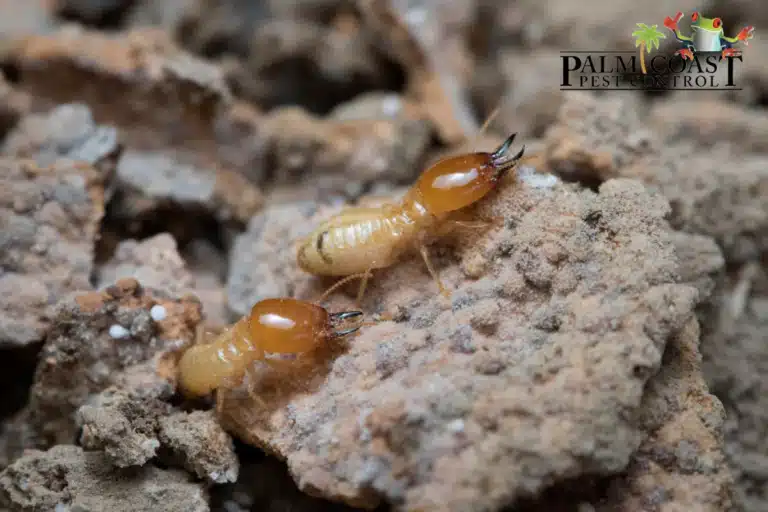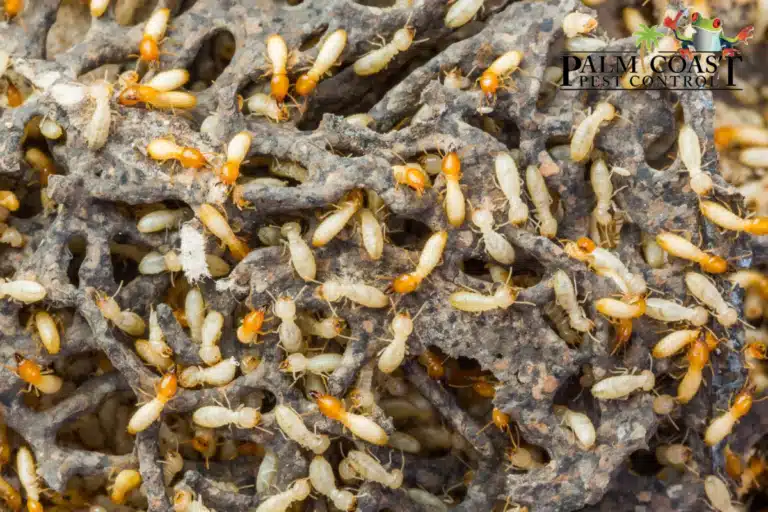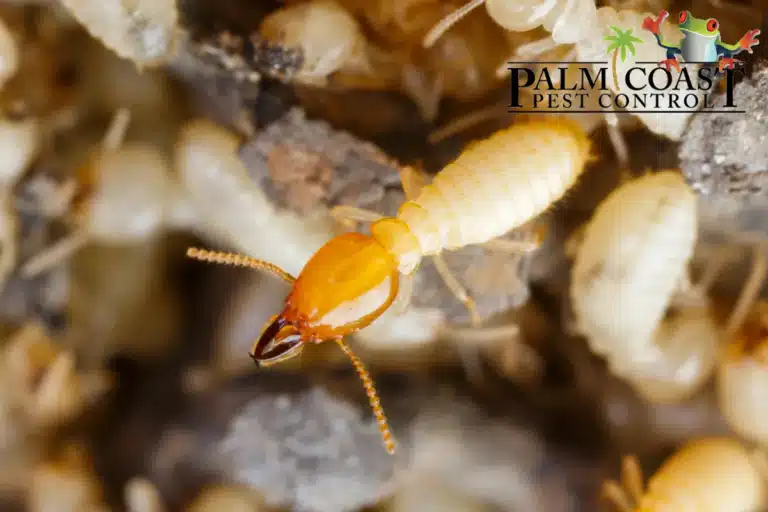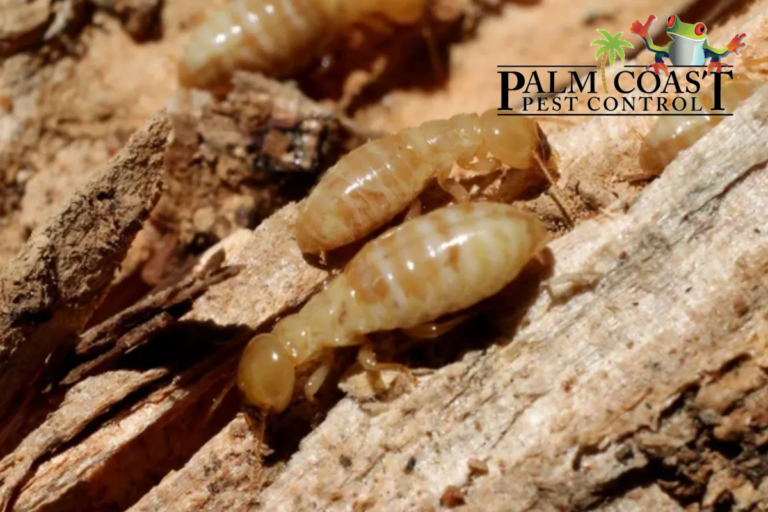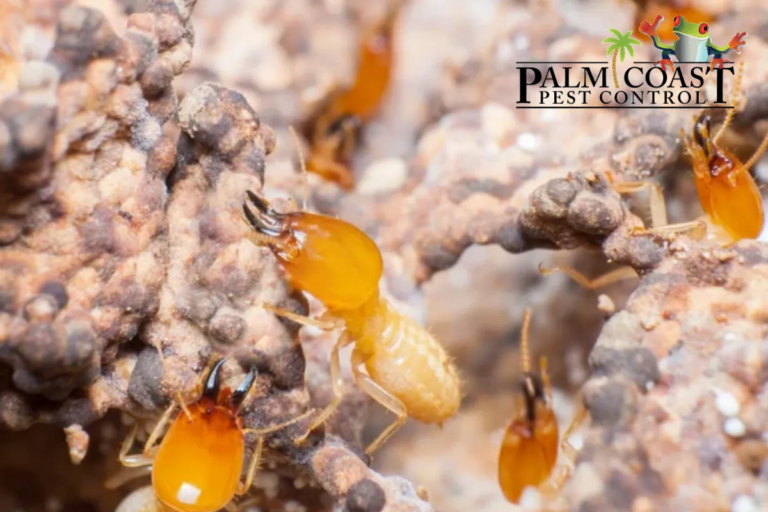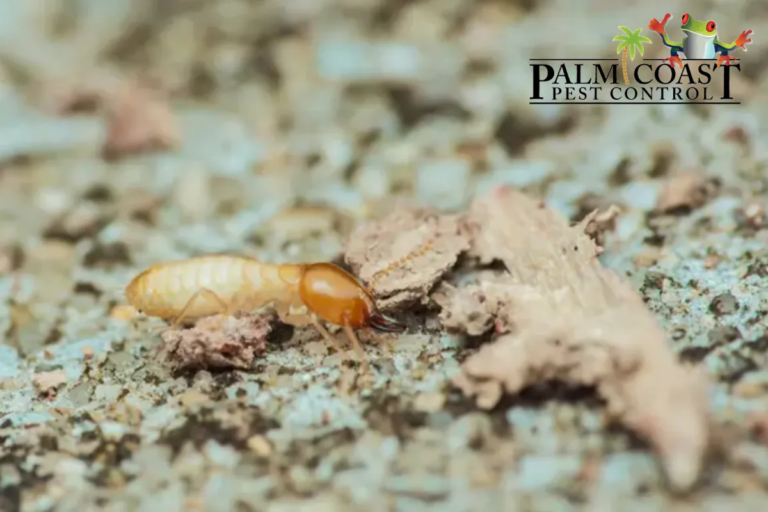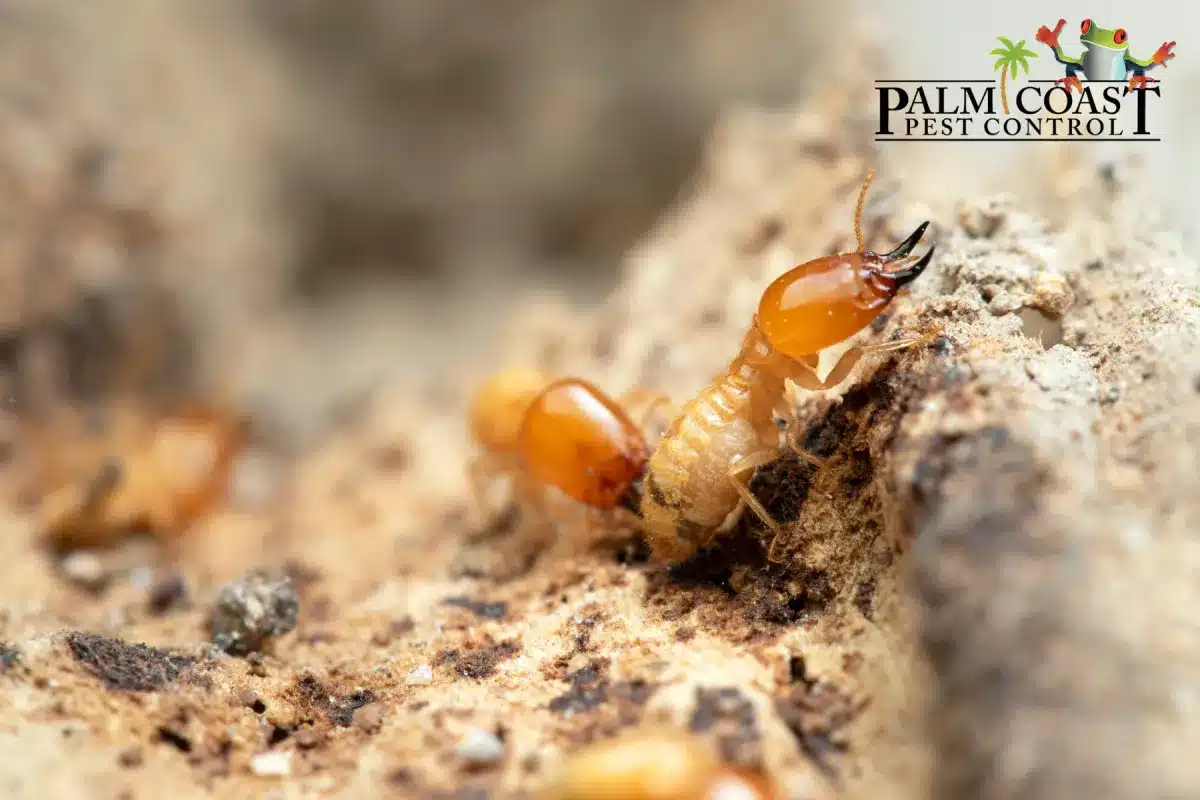
A termite is a small, soft-bodied insect measuring 1/4 to 1/2 inch in length, typically possessing a straight waist, short, straight antennae, and equal-length wings if in its reproductive swarmer stage. Depending on its caste, a termite ranges in color from creamy white or translucent to dark brown or black.
Recognizing the exact physical traits of termites is the first step toward stopping subterranean or drywood invaders before they cause thousands of dollars in structural wood damage. Many property owners mistake winged reproductive termites for flying ants, leading to delayed treatments while wood-destroying colonies continue feeding inside wall studs, subfloors, and support beams.
During a recent property inspection in North River Shores, our technicians examined a garage door frame where a homeowner suspected flying ants near a pile of discarded wings. Upon closer inspection, the insects had straight antennae, broad waists, and two pairs of wings equal in length, unmistakable physical markers of subterranean termite swarmers. Identifying the pest correctly allowed us to initiate immediate, targeted perimeter defense to safeguard the structure’s framework. When property owners need dependable termite control, recognizing these physical signs early makes all the difference.
A termite colony operates through a strict caste system where each group looks distinctly different based on its biological role inside the nest.
| Termite Caste | Length / Size | Color & Body Structure | Distinct Features & Wings | Primary Role in Colony |
| Worker Termite | 1/4 inch | Creamy white to pale translucent; soft-bodied | Eyeless, wingless, straight waist, short straight antennae | Forages for wood, feeds the colony, builds mud tubes |
| Soldier Termite | 1/4 to 3/8 inch | Pale cream body with large, dark brown/orange head | Enlarged rectangular head with prominent dark mandibles | Defends the nest against ants and predators |
| Alate / Swarmer (Reproductive) | 3/8 to 1/2 inch | Dark brown to solid charcoal black | Two pairs of equal-length, translucent wings; straight waist | Leaves mature nest to mate and establish new colonies |
| Queen Termite | 1 to 4+ inches | Pale white body with darker head plate | Distended, sausage-like abdomen (physogastric) | Lays thousands of eggs daily to maintain population |
Understanding these physical differences helps homeowners quickly determine which termite caste is active near their foundation or living areas. If you spot worker or soldier insects near your foundation, calling for professional pest control in North River Shores, FL ensures an expert can evaluate the extent of the activity right away.
Distinguishing termites from flying ants requires looking closely at three key anatomical features.
Examining antennae, waists, and wing lengths prevents costly misidentifications and ensures the correct eradication protocol is applied.
If you suspect wood-destroying insects around your foundation or crawl space, follow these four identification steps.
Executing these four steps clarifies whether your home is facing an active subterranean termite invasion or a minor ant nuisance. When local homeowners need trustworthy pest control in North River Shores, following this guide helps provide technicians with helpful details during the initial walk-through.
At Palm Coast Pest Control, we bring over 35 Years of Local Termite Experience to every property we protect. As a family-owned company, we treat your home with the same care and respect we give our own neighbors. We know that every house faces unique pest pressures, which is why we avoid cookie-cutter treatments. Instead, we focus on smarter termite inspections and treatments, delivering customized, effective solutions that address the exact layout and vulnerabilities of your home.
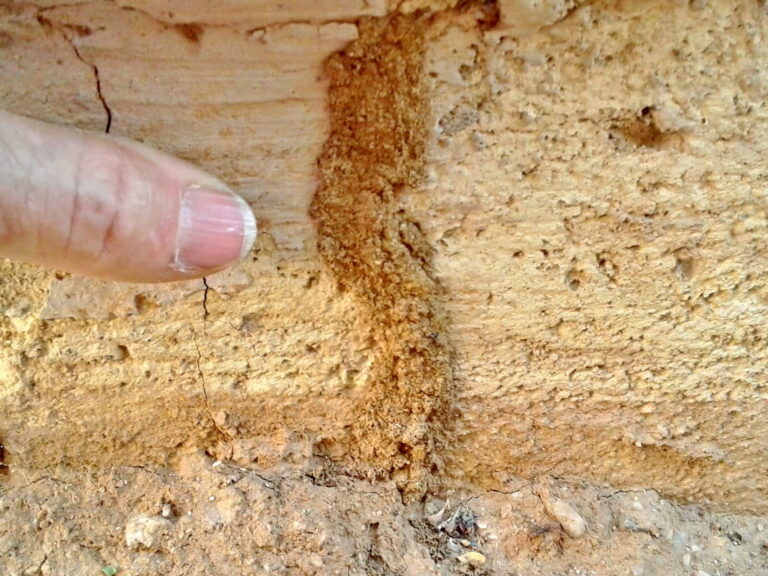
With over 35 Years of Experience navigating local pest challenges, our team delivers complete protection while prioritizing child- and pet-safe, eco-friendly solutions. Our detailed inspection process maps out mud tubes, structural damage, and moisture points. Once identified, we apply targeted barrier treatments that destroy active colonies at the source without exposing your family or pets to unnecessary harsh chemicals.
Whether you suspect swarmers in your crawlspace or want preventive perimeter protection, our experienced crew offers rapid relief, including same-day and emergency services when urgent issues arise. Every service is backed by our 100% satisfaction guarantee: pests don’t come back, or we do. If you are looking for reliable North River Shores pest control, our friendly team is always ready to help you safeguard your home.
A widespread myth among property owners is that spraying winged termite swarmers with an off-the-shelf aerosol contact spray eliminates the infestation. In reality, swarmers are simply the reproductive “scouts” sent out by an established subterranean colony located deep underground or inside wall frames.
Killing visible swarmers with surface sprays does nothing to stop the hundreds of thousands of wingless worker termites continuously chewing through structural wood studs inside your walls. Real elimination requires treating the entire subterranean nest and establishing a continuous protective barrier around your home’s foundation.
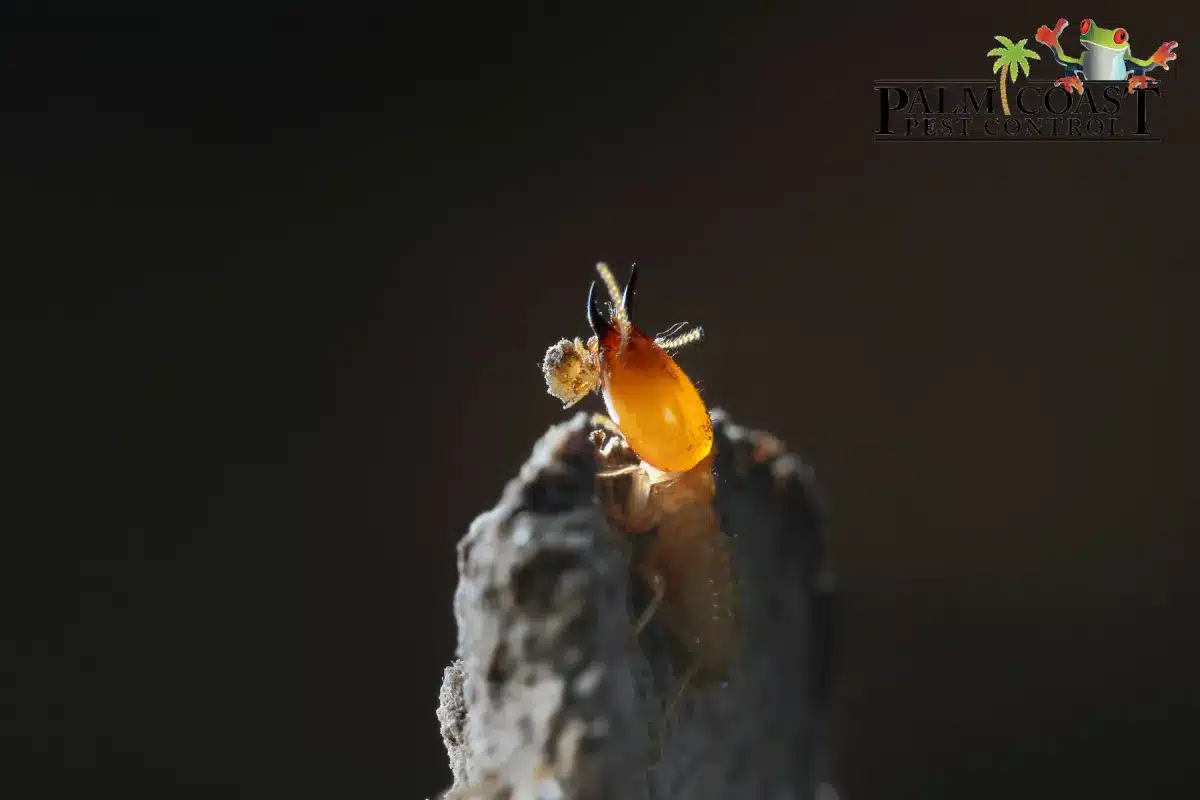
Termite workers are creamy white to translucent, soldiers have pale bodies with dark orange-brown heads, and reproductive swarmers are dark brown or solid black.
Termites have straight waists, straight antennae, and equal-length wings. Carpenter ants have pinched waists, elbowed antennae, and front wings that are longer than their hind wings.
Worker and soldier termites are blind and eyeless, living entirely in darkness underground or inside wood. Only winged reproductive swarmers have functional compound eyes to navigate toward light during swarming events.
Shed wings near window sills indicate that a mature termite colony has swarmed inside or very close to your structure, requiring an immediate professional inspection.
Knowing what a termite looks like, from the soft, pale body of a worker to the straight waist and equal wings of a swarmer, is vital for protecting your home’s structural integrity. Palm Coast Pest Control helps homeowners recognize these key physical traits early so they can take action before hidden colonies cause extensive damage beneath floors and behind drywall.
Don’t leave your structural wood to chance! Contact us today to schedule your free inspection, claim 10% off your first service, and enjoy total peace of mind knowing your property is protected by experienced local experts.