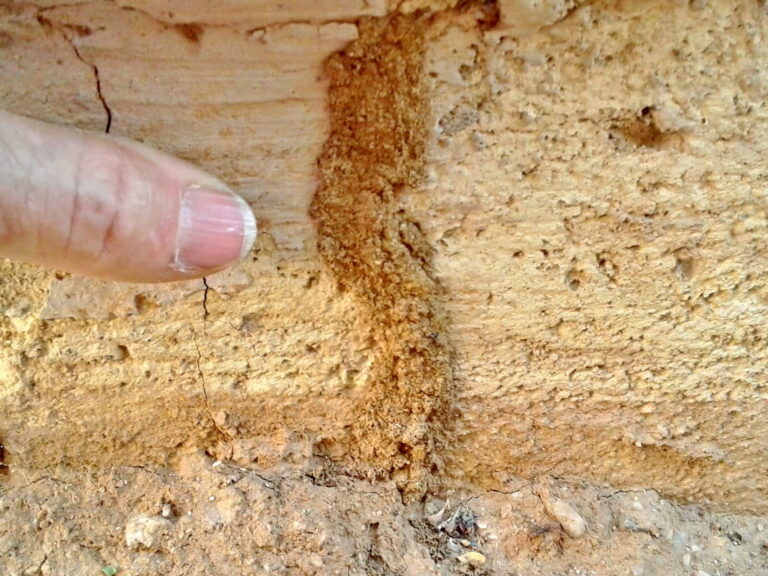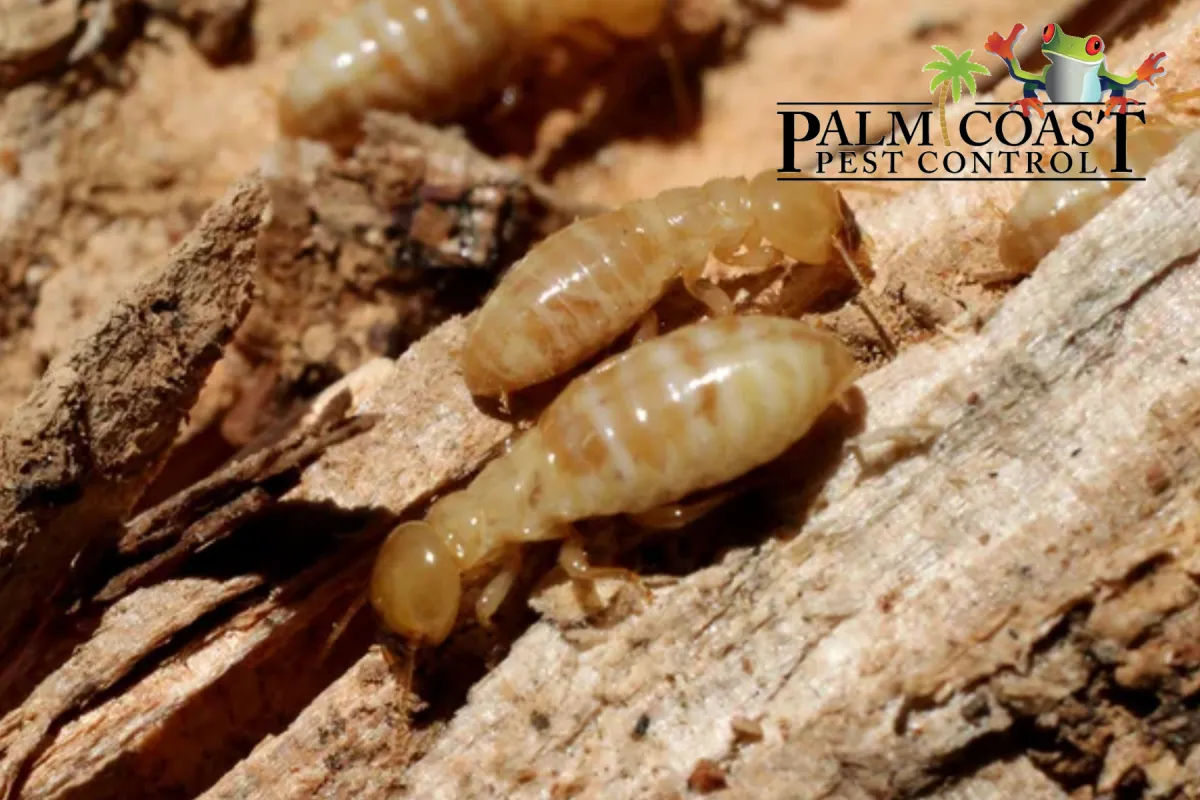
To tell the difference between a termite mud tube and a dirt streak, check the texture and height of the mark. A termite mud tube is a raised, three-dimensional tunnel about the width of a pencil, with a brittle, earthy texture. In contrast, a dirt streak is typically a flat, dusty smear that lies flush against the surface and wipes away easily without revealing a hollow interior.
Finding a mysterious line on your foundation or drywall can be a source of major stress. In our humid climate, identifying the source of that mark quickly is the difference between a simple cleaning job and intensive structural repair. Termite mud tubes, also known as shelter tubes, are the lifelines for subterranean termites. Because these pests have soft bodies and require high humidity to survive, they build these tunnels to protect themselves from predators and the drying effects of the air.
When you are looking for pest control in North Port, the first thing a technician will do is evaluate these markings. A mud tube has a specific “crusty” appearance, almost like dried oatmeal or cork. It is constructed from a mixture of soil, wood particles, and the termites’ own saliva. A dirt streak, however, is often just an accumulation of dust, dried mud from a rainstorm, or even the remnants of a cobweb that has collected debris over time.
It is common for homeowners to mistake various types of household grime for termite activity. During a recent audit for a home in a quiet North Port neighborhood, we found that what the owner feared was a termite invasion was actually just sediment buildup from a localized plumbing leak. However, knowing the difference can save you days of worry.
| Feature | Termite Mud Tube | General Dirt Streak |
| Profile | Raised, 3D cylindrical shape | Flat, 2D surface smear |
| Material | Moist soil, wood bits, and saliva | Dust, mud splashes, or cobweb debris |
| Reaction to Breaking | May reveal live termites or a moist interior | Reveals the bare wall underneath |
| Purpose | Moisture retention and travel | Accidental accumulation of debris |
If you break a small section of a suspected tube and find it is moist inside, that is a high-priority sign that you need termite control. Even if the interior is bone dry and empty, it still warrants a professional look to ensure the colony hasn’t just moved to a more hidden part of the house.
At Palm Coast Pest Control, we believe every home deserves a custom defense plan. We don’t just “spray and pray”; we utilize over 35 years of local termite experience to secure your foundation. As a family-owned company, we understand that your house is likely your largest investment, and we treat it with the same care we give our own homes.
We provide comprehensive property protection with licensed, trained experts who know exactly how Florida termites behave. Our highly trained termite control experts look for the “fingerprints” of an infestation that go beyond just mud tubes. We check moisture levels in your walls and use specialized tools to listen for activity that the naked eye can’t see, ensuring North Port pest control is handled with scientific precision.
Every property is built differently. Whether your home is on a slab or has a crawl space, we provide customized, effective solutions that target the colony at the source. We prioritize child- and pet-safe methods because we believe in protecting your family while we protect your structure. Because we are a local team, we can often provide same-day or emergency service for those who find a swarm and need rapid relief.
One of the most dangerous things a homeowner can believe is that a dry mud tube means the termites have moved on. Subterranean termites are notorious for “abandoning” a specific tube if they find a more efficient way into your home or if they have successfully exhausted a food source in that area.
A dry tube is a “smoking gun.” It proves that termites have already found a path into your structure. Even if they aren’t in that specific tube today, the colony is still in the soil nearby. Without professional pest control in North Port, FL, they will eventually return or enter through a different crack in the foundation. Never assume a lack of visible movement means no threat.
Should I clean off the mud tubes before the inspector arrives?
No. Please leave them alone! If you destroy the tubes, the termites may retreat or change their entry point, making it much harder for our experts to find the main “highway” and treat it effectively.
Can termites build tubes on the outside of my home?
Yes. You will often find them on the concrete foundation wall, tucked behind bushes, or even running up the side of a brick chimney. This is why regular inspections are so important.
Do dirt streaks ever mean other pests?
Sometimes. “Rub marks” or dark streaks near the floorboards can actually be a sign of rodents, as the oils in their fur leave a residue. If the streak is greasy rather than sandy, you might be looking for rodent removal instead of termite treatment.
At Palm Coast Pest Control, our goal is to provide the peace of mind that comes from knowing your home is safe. We mix deep technical know-how with the friendly, down-to-earth service you expect from a neighbor. Whether you are dealing with a strange streak on the wall or a full-blown infestation, we are here to help with honesty and integrity.
What sets us apart is our 35+ years of local expertise and our “one provider” approach. We handle everything from termites and rodents to lawn and ornamental care, so you don’t have to juggle five different companies. Plus, your satisfaction is 100% guaranteed; if the pests don’t go away, neither do we.
Don’t wait for hidden damage to grow. Reach out to us today for a free inspection. We are happy to offer 10% off your first service to help you get started on the path to a pest-free home.