
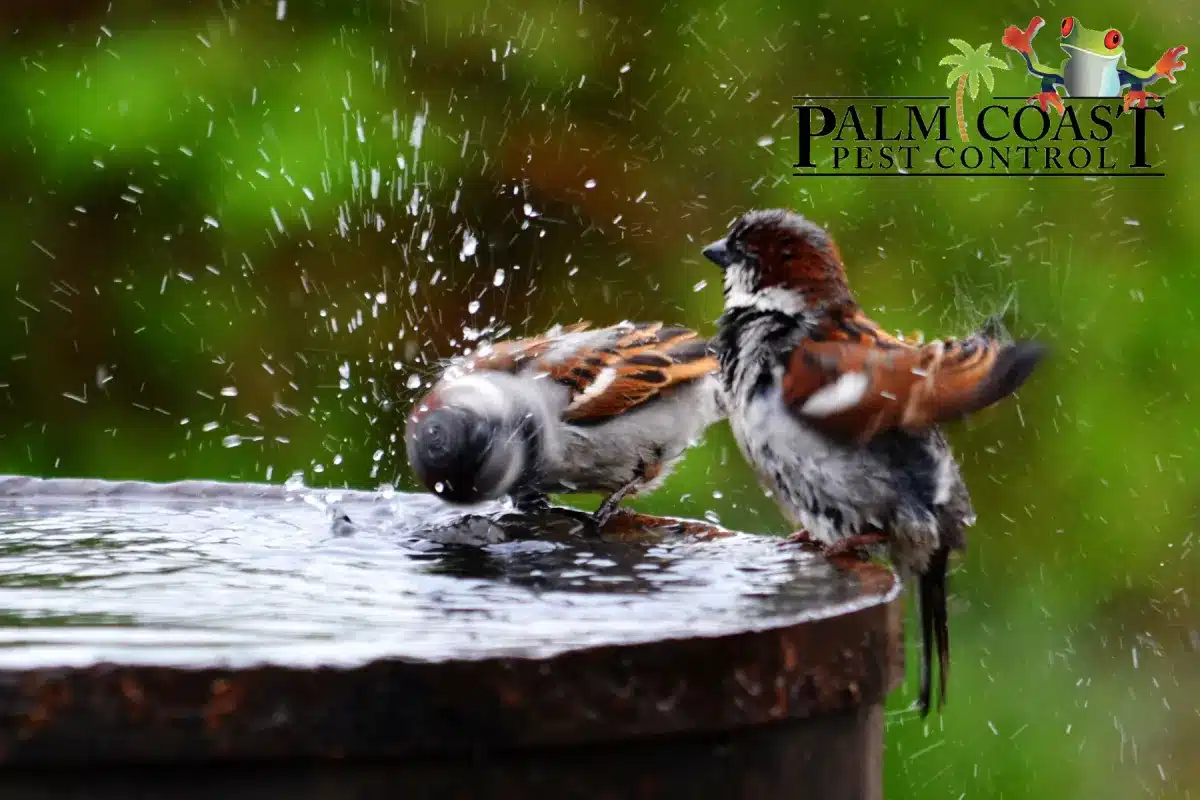
Preventive bird control protects buildings by installing physical exclusion barriers, optical deterrents, and tactile repelling systems before pest birds establish nesting sites. These non-lethal solutions deny birds access to ledges, roof beams, and HVAC units, preventing corrosive uric acid droppings from destroying masonry, stopping vent blockages, and eliminating expensive structural repair costs.
Pest birds like pigeons, starlings, and sparrows may seem harmless when flying overhead, but once they settle on a building, they quickly cause serious problems. Rooflines, solar panels, signage, and covered walkways offer ideal sheltered spots for flocks to roost and build nests.
Without proactive management, birds cause extensive damage in a short period. Their droppings contain high levels of acid that eat away at paint, stone, and metal. Furthermore, their bulky nests clog gutters, block roof vents, and create major fire hazards near outdoor machinery and electrical boxes.
Taking a preventive approach stops these issues before they turn into costly structural repairs or health hazards. Professional exclusion methods keep your building clean, protect your property value, and keep outdoor areas welcoming for customers and visitors.
Here is a clear look at how preventive bird management works, why DIY tricks fall short, and how expert barriers safeguard your investment long-term.
Comparing proactive exclusion barriers to reactive cleanup efforts highlights why preventing roosting early saves property owners significant stress and expense.
During a recent structural evaluation for a commercial property in North River Shores, our team found pigeons nesting underneath rooftop HVAC units and along deep architectural ledges. The corrosive droppings had already pitted the metal housing of the air handlers and blocked nearby roof drains, causing standing water to pool after heavy rain.
Here is how preventive systems compare to reactive cleanup for long-term bird control:
| Protection Factor / Metric | Preventive Bird Control Systems | Reactive Pest Bird Removal |
| Structural Integrity Risk | Zero; prevents acidic droppings and moisture trap accumulation | High; brick decay, metal corrosion, and stained facades |
| Facade & Equipment Cleanup Costs | Minimal maintenance; automated deterrents keep perches clear | Extremely high; hazardous biohazard cleaning and pressure washing |
| HVAC & Roof Vent Protection | Permanent screening blocks nesting material blockages | High risk of blocked airflow, overheating, and fire hazards |
| Health & Safety Compliance | Eliminates bacterial buildup (Histoplasmosis, Salmonella) | Exposure to airborne fungal spores and disease vectors |
| Long-Term Return on Investment (ROI) | Multi-year protection with minimal recurring costs | Continuous emergency removal and recurring repair fees |
Protecting a building from roosting birds requires a systematic, step-by-step approach. Skipping foundational cleaning or structural steps leaves hidden gaps that persistent birds easily exploit. A professional North River Shores pest control plan combines exclusion, sanitation, and ongoing monitoring to help keep birds from returning and protect your property over the long term.
1. Comprehensive Building Audit & Avian Assessment:
Licensed technicians inspect rooflines, parapets, signage, HVAC ledges, and loading docks for roosting indicators. They identify the specific bird species to select the proper barrier strength and mesh size.
2. Biohazard Sanitation & Structural Cleaning:
Technicians remove acidic droppings, old nesting materials, and debris using safe cleaning products. Thorough washing removes scent markers and visual attractants before installing exclusion barriers.
3. Strategic Physical Exclusion Barrier Installation:
Technicians install heavy-duty mesh netting across open spans like loading bays, light wells, and under solar panels. They fit discreet stainless steel spikes or wire systems along narrow ledges to block landing spots.
4. Deploying Optical and Tactile Deterrents:
Technicians place optical gel dishes or low-profile electric tracks along parapet edges. These visual and tactile conditioning tools teach persistent birds to avoid landing on the building.
5. Routine Structural Audits & Barrier Maintenance:
Technicians conduct annual audits to check tension lines, netting fasteners, and physical track conditions. Routine care ensures long-term protection against changing weather conditions and coastal winds.
At Palm Coast Pest Control, we believe managing pest birds should feel straightforward, effective, and completely stress-free. As a family-owned company with over 35 years of local experience, our team mixes deep technical know-how with friendly, down-to-earth service. We prioritize child- and pet-safe, eco-friendly solutions that protect your property without compromising on results.
Here is how our proprietary [Palm Coast Avian Defense System] safeguards your building:
Our company provides humane, effective solutions designed to resolve bird activity without harming local wildlife. We focus on the installation of deterrents like netting and spikes that block landing zones and fit discreetly along your building’s architectural lines. When dealing with trapped or persistent birds inside enclosed warehouses or roof structures, our team utilizes humane trapping methods to safely capture and relocate the birds. By combining these physical barriers with safe and effective deterrents, such as optical gels and low-profile tracks, we create long-lasting protection that keeps your property clean and damage-free.
While performing a routine property audit for a coastal business, our technicians noticed starlings beginning to build nests inside the open overhangs of an outdoor dining patio. As part of our pest control in North River Shores, FL services, we installed discreet, color-matched netting across the rafters, stopping the birds from roosting above guest seating areas before peak summer dining season.
A common myth among property managers is that mounting a plastic owl or installing an off-the-shelf sound emitter will permanently scare away pest birds. While these DIY tricks might seem convenient, they rarely deliver long-term results.
Here is why static devices and sound units fall short:
Pest birds are surprisingly smart and quickly adapt to their environment. A fake owl or rubber snake might startle birds for a day or two, but once they notice the decoy never moves, they lose all fear. It is very common to see pigeons roosting directly on top of plastic owls after just a few days.
Sound machines that emit high-frequency ultrasonic noises are equally ineffective. Birds hear within a frequency range very similar to humans, meaning they quickly tune out repetitive background sounds, especially when sheltered ledges and nearby food sources are present. Real long-term protection requires physical barriers that physically prevent birds from landing.
Understanding key industry terminology helps you select the best bird management strategy for your building:
Polyethylene Bird Netting
A durable, UV-resistant mesh netting designed to seal off large open spaces, light wells, covered walkways, and rooftop HVAC units without blocking natural light or airflow.
Stainless Steel Bird Spikes
Blunt-tipped stainless steel rods mounted on flexible polycarbonate strips that prevent birds from perching on narrow ledges, window sills, and structural beams.
Low-Profile Electric Track
A flexible, solar-powered or electric track applied along parapet edges that delivers a mild, harmless pulse to teach birds not to land on treated edges.
Optical Deterrent Gel
Small, dish-mounted gel treatments that absorb UV light to appear like flickering flames to avian eyes, discouraging birds from approaching treated perches.
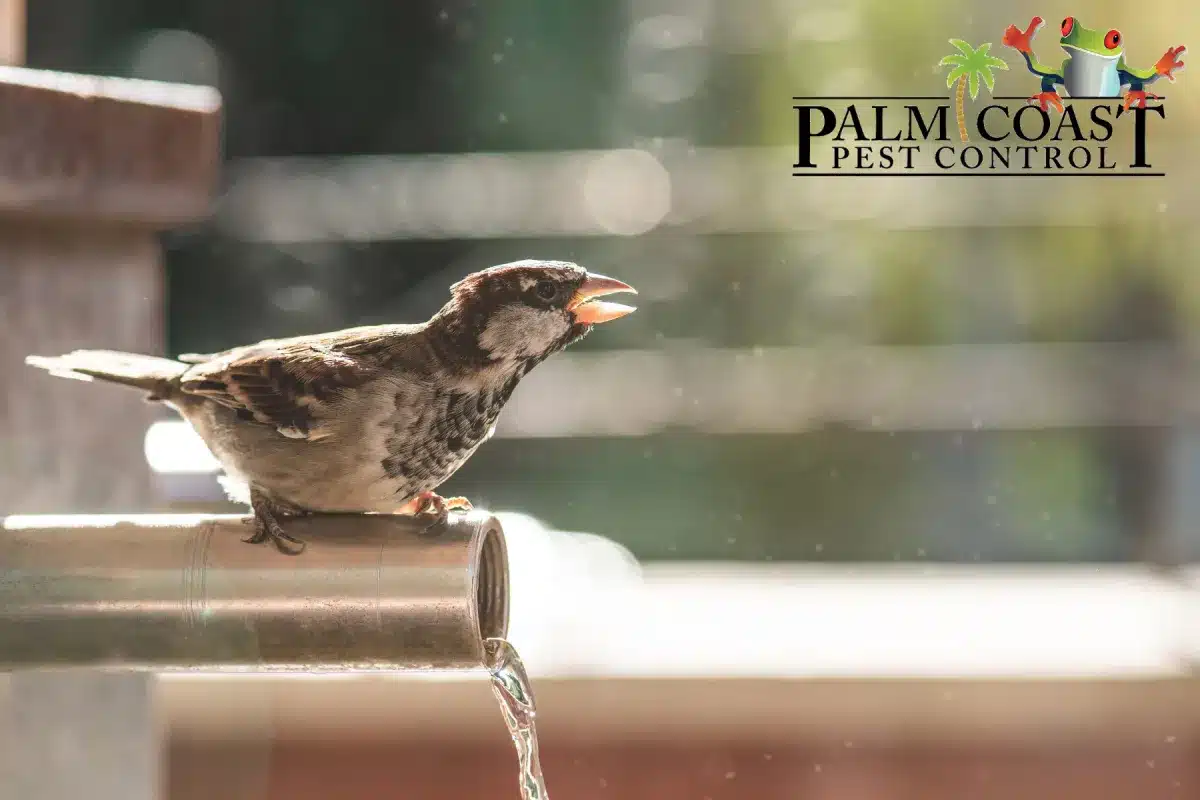
Bird droppings contain high concentrations of uric acid with a low pH level. This acid eats through protective paint, stone, asphalt shingles, and metal coatings, leading to structural leaks and costly masonry failure over time.
No. Modern commercial bird netting uses thin, high-tensile strands that blend in with building facades. Low-profile wires, spikes, and electric tracks are practically invisible from ground level, preserving your property’s curb appeal.
Yes. Professional bird management focuses entirely on non-lethal exclusion and deterrence. These systems create physical barriers that keep birds safe while guiding them to seek natural, non-structural nesting sites elsewhere.
If you notice birds gathering on rooflines, building nests near vents, or leaving droppings around entryways, contact a specialist promptly. Partnering with a provider for pest control stops nesting activity before acidic droppings damage structural materials or create health risks.
Relying on plastic decoys, temporary fixes, or waiting until bird droppings cover your building facade leads to expensive structural repairs and unnecessary cleanup costs. Lasting property protection requires professional structural audits, physical exclusion barriers, and safe, multi-sensory deterrents.
At Palm Coast Pest Control, we make protecting your home or business simple and stress-free. As an experienced, family-owned provider with over 35 years of Florida experience, we offer comprehensive care for pests, termites, rodents, wildlife, and lawn care under one roof. Our team conducts inspections with honesty and integrity, delivering child- and pet-safe solutions backed by our 100% satisfaction guarantee.
Whether you need commercial exclusion netting or emergency wildlife help, our knowledgeable team is ready to assist. If you are looking for dependable pest control in North River Shores, we stand behind our work; if pests return, so do we, at no extra charge.
Ready to protect your property from nesting birds and structural damage? Contact us today to schedule your free inspection, claim 10% off your initial service, and secure your building with proven, humane bird protection!
