If a hurricane or tropical storm is coming, the safest thing you can do for your pets is to plan before the weather turns dangerous. Pets need food, water, medicine, ID tags, carriers, shelter plans, and a calm owner who knows what to do. A good plan helps protect your family, your pets, and your home before, during, and after the storm.
As a Florida resident, you already know how serious hurricane season can be. Heavy rain, strong winds, flooding, power outages, and last-minute evacuations can make a stressful situation even harder. If you live with dogs, cats, birds, reptiles, service animals, or other pets, they should be included in your hurricane plan from the beginning.
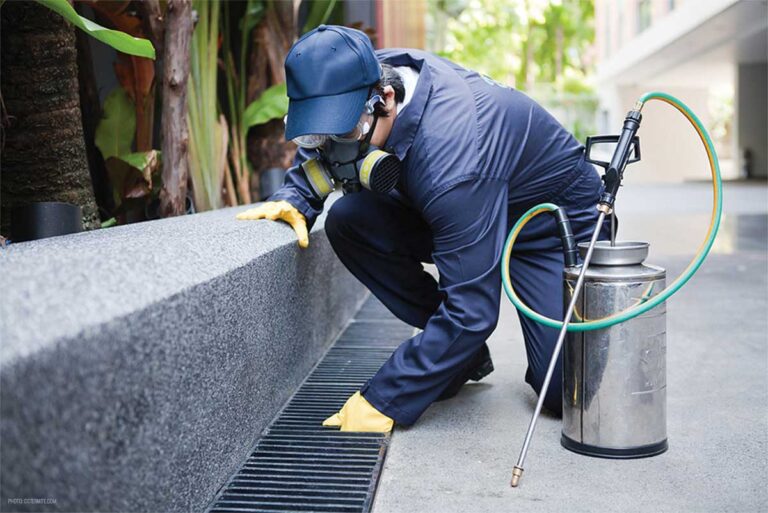
Preparation is also important after the storm. Damaged screens, standing water, broken doors, and debris can attract ants, roaches, mosquitoes, rodents, and other pests to your home. If storm damage leads to pest activity, Juno Beach pest control services can help inspect problem areas and recommend a safe plan once conditions improve.
The best way to keep your pets safe during a hurricane is to prepare before a storm is near. Do not wait until evacuation orders are issued to decide where your pets will go.
Your plan should include:
Call pet-friendly hotels early and ask about rules on size, breed, and number of pets, as well as emergency policies. Some places that do not normally accept pets may change their rules during a disaster, but you should never assume this will happen.
If your pet has special medical needs, talk to your veterinarian before hurricane season. Ask which supplies, medications, or records you should have ready.
A pet disaster kit should be easy to grab if you need to leave quickly. Keep it in a waterproof bin or bag and check it before hurricane season begins.
Your pet kit should include:
A familiar blanket or toy can help calm your pet when everything around them feels different. Storms can be loud and scary, so small comfort items matter.
If your pet gets lost during a hurricane, updated identification can make it easier for someone to contact you. Your pet should have a collar with an ID tag that includes your current phone number.
You should also make sure your pet’s microchip information is up to date. If you moved, changed your number, or adopted your pet from someone else, update the microchip account before storm season.
It is also smart to keep a clear photo of you and your pet together. This can help prove ownership if you become separated.
If you need to board your pet, stay at a shelter, or visit a vet clinic after a storm, you may be asked for vaccination records. Keep a printed copy in your disaster kit and a digital copy on your phone.
Do not wait until a storm is close to request records. Vet offices may close early, lose power, or become difficult to reach during an emergency.
Important records may include:
Having these records ready can save time and reduce stress during evacuation.
A carrier helps keep your pet safe while traveling, sheltering, or waiting in a crowded area. Even calm pets can become nervous during a hurricane because of thunder, wind, alarms, traffic, and unfamiliar places.
Choose a carrier that is large enough for your pet to stand, turn around, and lie down. Label it with your name, phone number, pet name, and any medical needs.
If your pet is not used to a carrier, practice before hurricane season. Place treats, toys, or bedding inside so your pet associates the carrier with comfort rather than fear.
Not every emergency shelter accepts pets. Some pet-friendly shelters also require advance registration, proof of vaccination, a carrier, food, and supplies.
Before hurricane season, check your county emergency management website or call local officials to learn which shelters accept pets. If a shelter is your only option, find out the rules now so you are not surprised later.
You can also ask your vet, boarding facility, or a trusted family member to help during an emergency. The more options you have, the safer your pet will be.
Hurricanes are stressful, but pets often respond to the emotions of those around them. If you are nervous, rushed, or loud, your pet may become more anxious.
Try to keep your voice calm. Move slowly when possible. Keep pets in a quiet room away from windows if you are sheltering in place. Give them access to their carrier, bedding, water, and comfort items.
If your pet has severe storm anxiety, speak with your veterinarian before hurricane season. Your vet may recommend safe calming steps or medication based on your pet’s needs.
Never leave pets outdoors during a hurricane or tropical storm. Strong wind, flying debris, flooding, and falling branches can seriously injure animals.
Leaving pets home alone should be the last resort. If you must leave without them, place them in a safe interior room away from windows. Leave plenty of food and water in stable containers. Do not tie pets up, leave them in a yard, or place them in a room that may flood.
If you have large animals, plan early. Identify safe shelter, transportation, water access, and backup care before storm season begins.
The danger does not always end when the wind stops. After a hurricane, pets may be confused because familiar smells, fences, trees, and landmarks have changed.
Keep dogs on leashes and cats in carriers until you know the area is safe. Watch for:
Do not let pets drink from puddles, floodwater, or outdoor containers after a storm. Water may be dirty or unsafe.
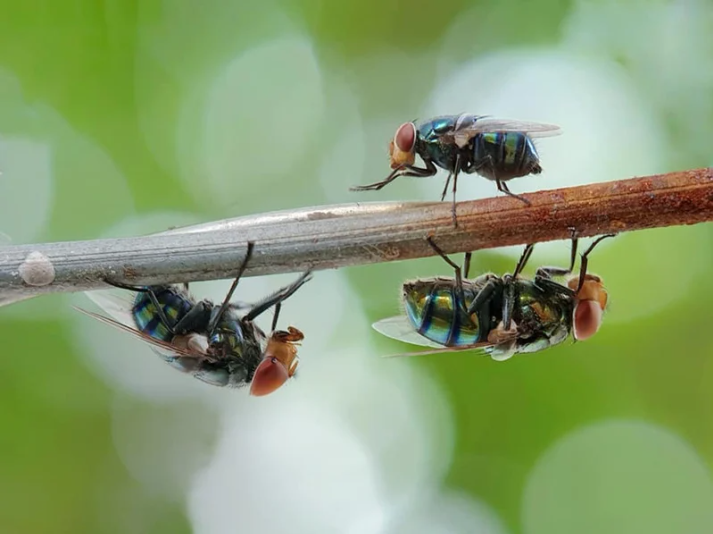
Storm cleanup can also attract pests. Trash piles, wet wood, yard debris, damaged screens, and standing water may bring mosquitoes, rodents, ants, roaches, and flies closer to your home. If you notice pest problems after a storm, contact a professional for pest control in Juno Beach, FL, once it is safe to inspect the property.
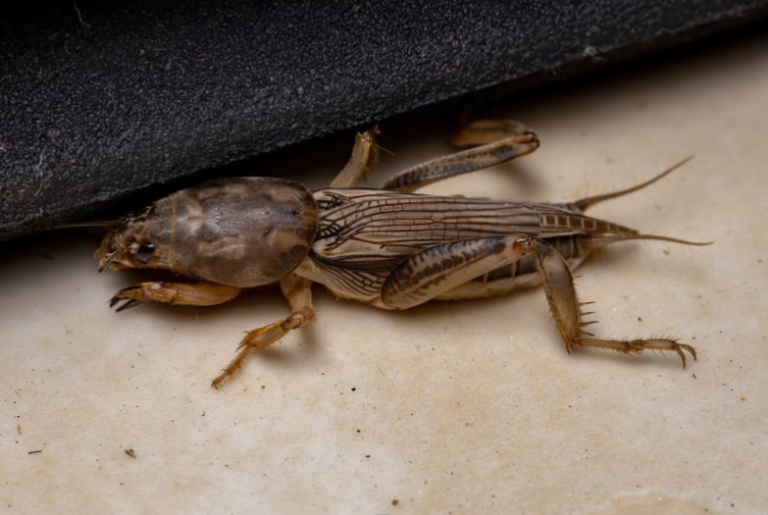
Hurricanes can change the conditions around your home. Heavy rain can push pests out of their normal hiding places. Flooding can move ants, roaches, rodents, and other pests closer to dry shelter. Standing water can also create mosquito breeding areas.
After a storm, check your home and yard for:
Clean up safely and avoid touching unknown pests or contaminated materials without protection. If pest activity continues, professional pest control in Juno Beach can help identify the issue and reduce the risk of a larger infestation.
Pack food, water, medication, vaccination records, a leash, waste bags, a carrier, and a familiar blanket or toy. Keep everything in one easy-to-grab disaster kit.
Yes. If officials tell you to evacuate, take your pets with you whenever possible. Leaving pets behind can put them at risk of injury, stress, or getting lost.
Keep your pet in a quiet room away from windows, use a carrier if needed, and give them familiar bedding or toys. Staying calm yourself can also help your pet feel safer.
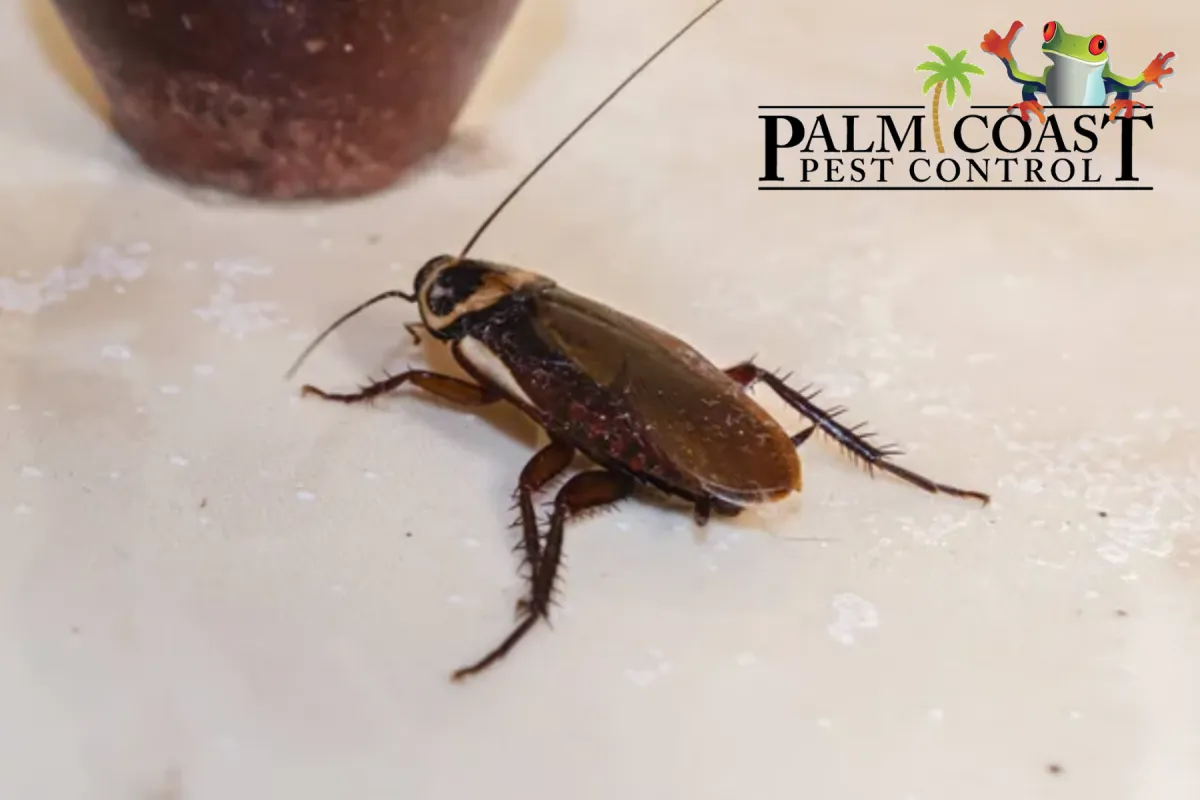
Yes. Standing water, debris, damaged screens, and wet materials can attract mosquitoes, ants, roaches, rodents, and other pests. Check your property after the storm and call a professional if pest activity continues.
Keeping your pet safe during a hurricane starts with preparation. A clear plan, a packed pet kit, updated ID, vaccination records, and safe shelter options can make a major difference when a storm is approaching.
If local officials tell you to evacuate, leave early and take your pets with you whenever possible. Your home and belongings can be replaced, but your family and pets cannot.
After the storm, move carefully, keep pets close, and check your property for damage, standing water, and pest activity. If storm damage brings unwanted pests near your home, Palm Coast Pest Control can help with options designed to protect your property after conditions are safe.
After the storm passes, do not let standing water, debris, or home damage invite unwanted pests inside. Contact us today for a professional inspection and a plan to help protect your home.