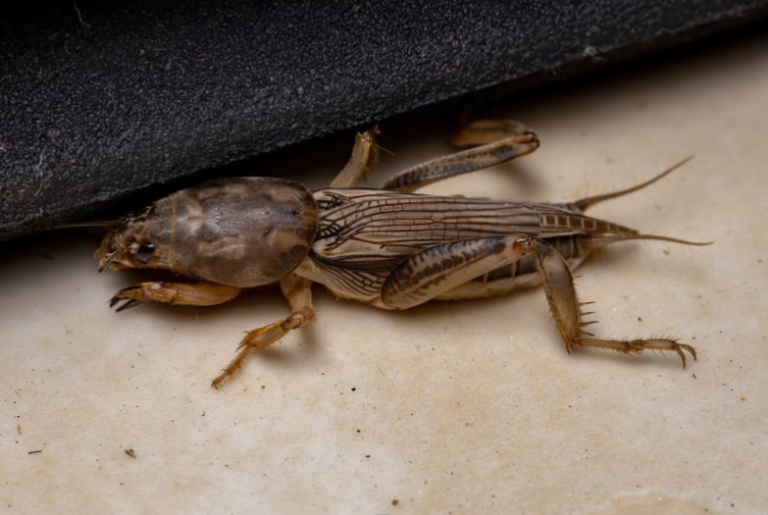
The presence of bugs in your home can cause a variety of problems. From health concerns to damage to property and possessions, they can be a huge inconvenience. That’s why pest control is so important. But how often should you call in the professionals?
In this article, we’ll discuss the factors that determine how often you should get treatment done. We’ll also provide tips on how to keep pests away from your home in between treatments and answer questions about DIY options.
No matter if you’re dealing with ants, mice, cockroaches, or another type of pest, it’s essential to know the frequency of professional treatments. Read on for more information about keeping your home free from unwanted visitors!
Understanding an infestation is an important part of keeping your home or business safe and healthy. Pest control services in Juno Beach, FL, are available to help identify and address bugs, such as bed bugs, in any environment. Knowing when to call a professional can save you time and money in the long run.
When it comes to problems, many people wait until they see signs of infestation before taking action. However, it’s important to keep in mind that some bugs can reproduce quickly and spread rapidly, so early intervention is key. If you suspect your home or business has an infestation, it’s best to call a professional right away.
The frequency of services needed depends on the type of present and the size of the area affected. The experts will be able to advise you on how often you should have inspections and which treatments to use. They can also provide tips on preventive measures you can take to reduce the risk of future infestations in your home or business.
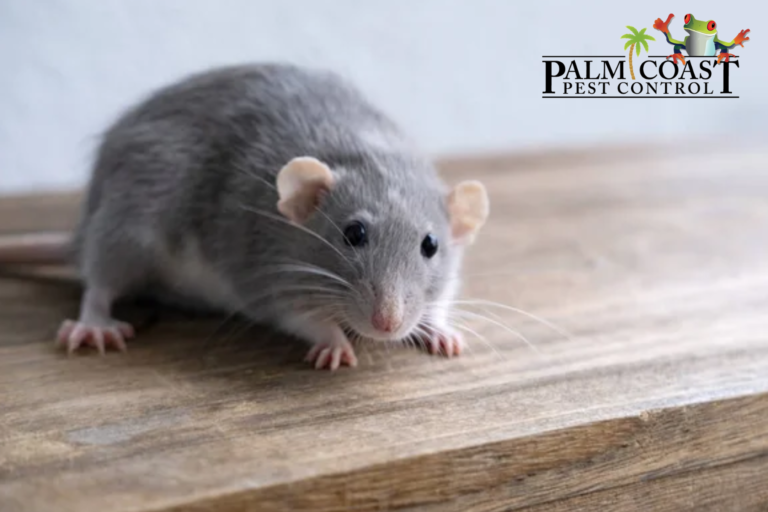
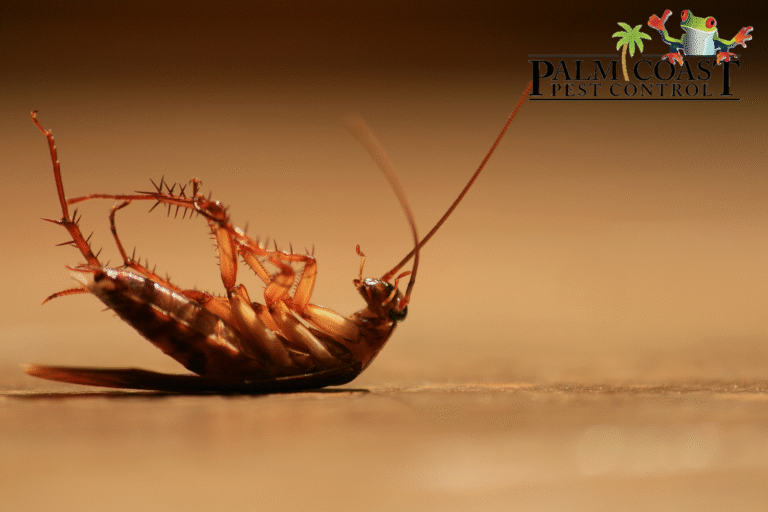
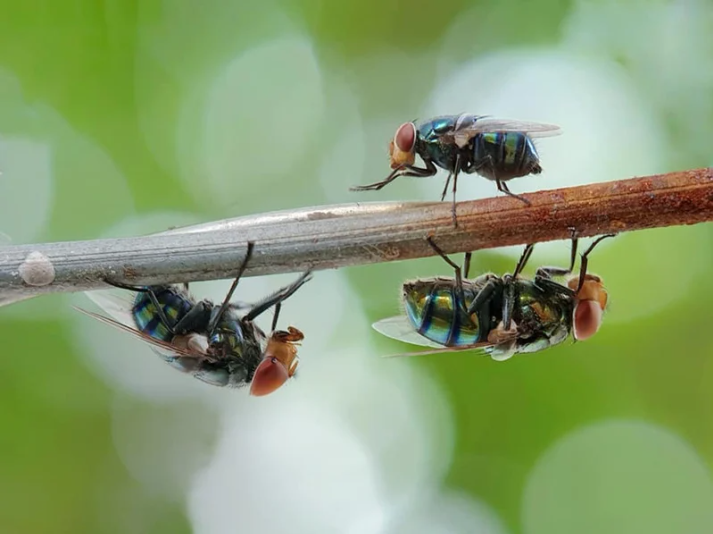
These types of problems are common in many homes and businesses. There are a variety of household bugs that can cause damage, spread disease, and contaminate food and water sources. Common types of household bugs include ants, cockroaches, rodents, fleas, and bed bugs. Pest control sprays or other treatments may be necessary to eradicate the problem.
Contact a company if you suspect a problem in your home or business. A Juno Beach pest control technician will inspect the property and determine the best course of action to treat the infestation. The technician will also provide advice on preventive measures, such as sealing cracks and crevices and eliminating food sources.
Once the infestation has been addressed, it’s important to continue regular inspections by a certified company. This will help ensure that any new infestations are quickly identified and treated before they become established in your home or business. With regular inspections and treatments from a professional service, you can help protect yourself from further damage caused by household pests.
Identifying the severity of an infestation can be difficult, especially in an apartment complex. In a larger area, the presence of multiple bugs or signs of damage to them can indicate a serious problem. If it is determined that pest control is necessary, the extent of treatment required will depend on the size and type of infestation. For example, a smaller infestation may only require spot treatment with insecticides and traps, while a larger one may require more extensive treatments such as fumigation and baiting.
It is important to hire a professional pest control service in Juno Beach to assess the situation and determine the severity of the problem. A professional will have access to specialized tools and techniques to identify the species present and any areas where they are likely to hide. The technician can also provide advice on preventive measures that can help reduce or eliminate future infestations.
By taking proactive steps such as regular inspections by a certified company and using preventive measures like sealing cracks and crevices, you can help keep your home or business safe from further damage caused by household pests. With these measures in place, you can rest assured knowing that your property is protected from potential infestations.
When it comes to pest control, there are many options available. Homeowners may choose to take a do-it-yourself approach, while others may opt to hire a professional service. Each option has its advantages and disadvantages, and the right choice will depend on the severity of the infestation as well as your budget and preferences.
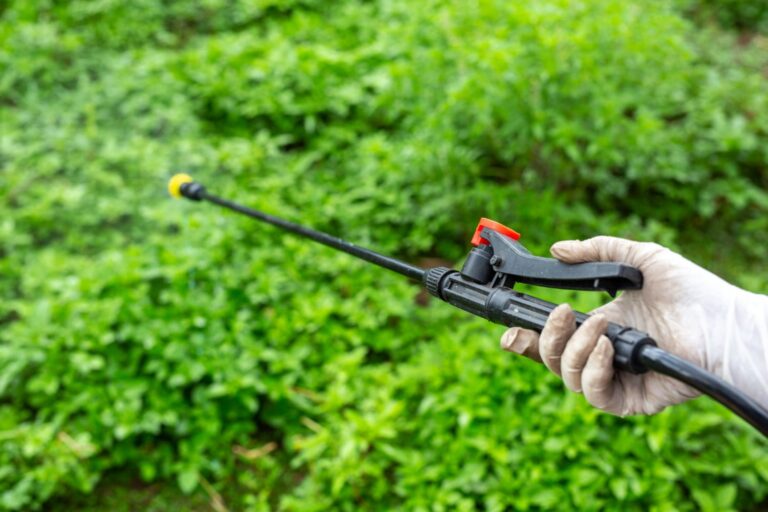
DIY pest control can be an effective way to address minor infestations, as long as you have the right products and know how to use them safely. There are a variety of sprays, traps, and bait products available that can help get rid of nuisances. However, it’s important to remember that improper or overuse of these products can be harmful to humans and pets. It’s also important to note that DIY methods may not always be effective in eliminating invaders from your home or business space for good.
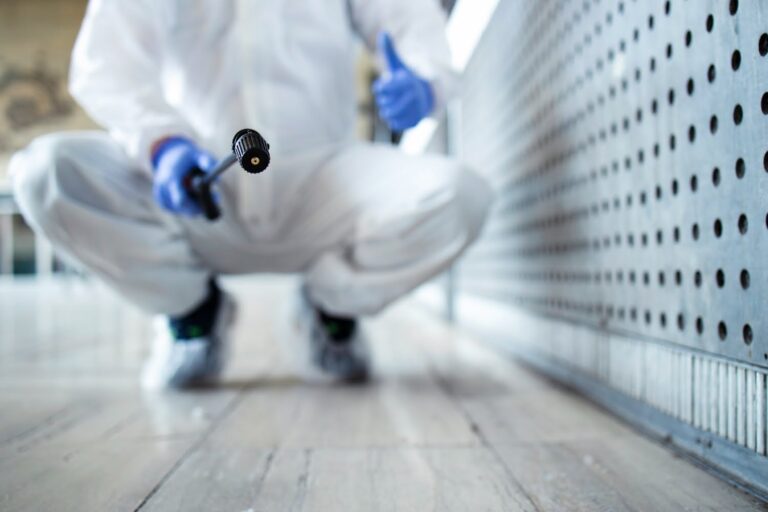
On the other hand, professional services provide more comprehensive solutions for eliminating bugs from your property. Professional technicians have access to specialized tools and techniques that can quickly and accurately identify even the most difficult infestations. They also have expertise in all types and available treatments, so they can recommend the best solutions for each situation. Plus, they offer follow-up inspections so you can rest assured your property is protected against future issues.
When it comes to pest control, there are a variety of approaches. DIY solutions can be an effective way to address minor infestations if done correctly. However, it’s important to consider the advantages and disadvantages of taking this route.
One advantage of DIY solutions is that they may be more cost-effective than professional services. Additionally, it allows you to take a hands-on approach to eradicating bugs from your property. However, there are some drawbacks to this method as well. For instance, you may not have the right products or knowledge needed to effectively eliminate the infestation. In addition, DIY solutions may not always provide long-term protection against future problems.
It’s also important to remember that DIY solutions often require frequent applications to remain effective. Depending on the severity and type of infestation, pest control may need to be performed every few weeks or months to keep your home or business safe in the long run. Therefore, if you choose a DIY solution, make sure you are prepared for regular maintenance and upkeep of your property to ensure lasting protection.
Another option to consider for pest control is hiring a professional service. While this may be more costly than DIY solutions, several benefits make it worthwhile.
For starters, professional services use specialized products and techniques that are designed to eliminate infestations quickly and effectively. This means homeowners and business owners can rest assured that the issue will be resolved without having to worry about long-term maintenance or upkeep. Additionally, these services provide long-term protection against future infestations, saving time and money.
Finally, professional services are often less disruptive than DIY solutions because they require only one or two visits from a technician to address the problem. This helps minimize disruption to businesses and households that may need to continue their everyday lives while dealing with an infestation. Therefore, if you’re looking for an efficient solution that offers lasting protection from pests, hiring a professional service may be the best option for you.
When considering the cost implications of professional services, it is important to evaluate both the short-term and long-term costs. In the short term, there will obviously be an upfront cost for hiring a service. However, this cost can be minimized by comparing companies to find the best deal. Additionally, if the infestation is large or persistent enough, it could end up costing more over time to tackle it on your own than hiring a professional service.
In terms of long-term costs, hiring a professional service can help save time and money when compared to DIY solutions. As previously mentioned, these services offer lasting protection against future infestations, helping avoid costly treatments down the line. Plus, since they require only one or two technician visits, they are less disruptive than DIY solutions that may require multiple visits or regular maintenance.
Overall, when evaluating the cost implications of professional pest control services, it is important to consider both the short-term and long-term costs. Professional services are often more efficient than DIY solutions and may ultimately deliver greater value by effectively eliminating infestations and providing lasting protection against future problems.
When evaluating the risks associated with professional services, it is important to consider both the short-term and long-term effects of the pesticides used. In the short term, there may be health risks for those exposed to the chemicals used in the treatments. Signs of exposure can include skin irritation, nausea, dizziness, and other symptoms. It is important to stay away from any treated areas until they have been cleared and any remaining residue has been thoroughly cleaned up.
In terms of long-term risks, research indicates that certain pesticides can adversely affect human health. These chemicals can accumulate in the environment, potentially harming humans and wildlife alike. Additionally, when used frequently or improperly, these products can lead to resistance, which could ultimately result in more costly treatments down the line.
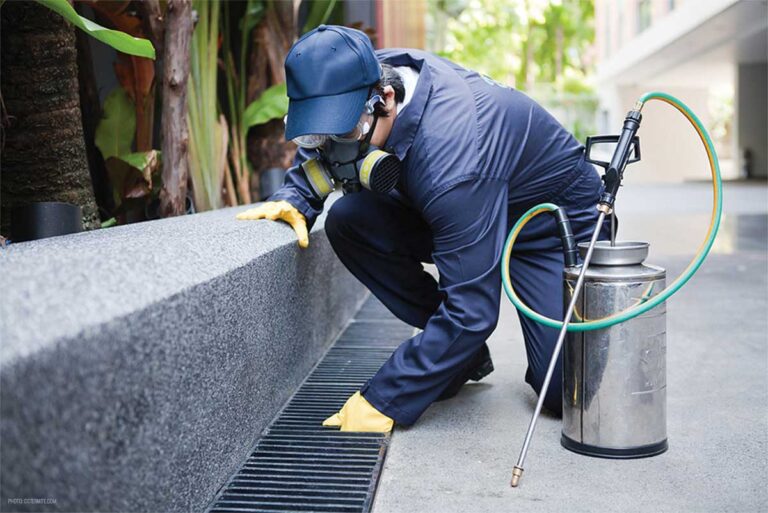
For this reason, it is important to choose a reputable service provider that uses safe and effective products to minimize potential risks. The technician should also be knowledgeable about proper application techniques and safety protocols for handling and disposing of any leftover materials. Taking these preventative measures will help ensure that your service is safe and effective while minimizing potential risks associated with pesticide use.
When it comes to pest control, there are a few approaches to take. Some of these involve using chemical treatments, while others rely on more natural methods such as traps and exclusion techniques. Depending on the type of problem you have, one approach may be more effective than another. It’s important to understand all your options before deciding which route to take.
For those who prefer a more natural approach, traps can be an effective way to eliminate pests without chemicals. Traps come in many shapes and sizes and can be used for rodents, insects, and other critters. They are often placed around the perimeter of the property or near known sources such as food or nesting areas. The idea is to lure them in with bait and then capture them when they enter the trap.
Exclusion techniques are also used by some homeowners as an alternative to pesticides. This involves sealing off any potential entry points into the home so that pests cannot gain access. This includes screening windows and doors, caulking cracks in walls, and ensuring that all vents are properly sealed off from the outside. Additionally, storing food in airtight containers can help reduce the chances of getting inside in search of a meal.
No matter which approach you take for pest control, it is important to ensure it is done regularly to prevent future infestations. Regular inspections should be conducted both indoors and outdoors to quickly identify potential issues before they become larger problems down the line. With proper maintenance and preventive measures, most problems can be effectively prevented or eliminated with minimal effort or cost involved.
To ensure pest control is effective and long-lasting, it is important to implement a prevention strategy. This includes keeping the property clean and free of food scraps and other attractants, as well as inspecting for any potential cracks or openings that could allow bugs to enter the home. Additionally, regularly checking for signs such as droppings or nests can help identify issues before they become larger problems.
When it comes to pest control, regularity is key. It’s important to have a schedule in place so that inspections are done regularly. Depending on the type of problem you have, this schedule may vary from every few weeks up to multiple times per year. By conducting regular inspections and taking preventive measures, you can ensure your home remains safe and free of unwanted critters.
Overall, an effective strategy requires an ongoing commitment in order to keep infestations at bay. Regular inspections and preventative maintenance are essential components of a successful program, as they help identify potential issues before they become bigger problems down the line. In addition to these steps, being proactive about reducing food sources and entry points can go a long way toward keeping bugs away for good.
In addition to implementing an effective prevention strategy, selecting the right products is also essential for a successful program. While there are many different types of products available for treatment, it’s important to select ones that are appropriate for your specific needs. For example, some products may work well against certain types of pests but not others, so it’s important to read the labels and choose the product best suited to your situation. Additionally, using multiple products in combination can be more effective than relying on just one.
When it comes to using products, proper application is key. Make sure you follow all instructions carefully and use the recommended dosages or concentrations in order to get the most out of the product. Also, keep in mind that some products may require multiple applications or reapplication after a certain amount of time has passed to maintain effectiveness. It’s also important to remember safety precautions, such as wearing protective gear when dealing with pesticides or other hazardous materials.
Overall, selecting and properly applying appropriate products is a crucial part of any successful prevention strategy. By taking the time to choose the right solutions for your needs and following directions carefully when applying them, you can ensure your home remains free of pests for years to come.
It’s important to understand the instructions and regulations that come with products in order to ensure they are used properly. Labels on these products will provide information about proper application techniques, safety precautions, and other relevant details. It’s essential to read and follow all label instructions carefully, as failure to do so can result in ineffective treatments or even cause harm to people or animals.
In addition to label instructions, there may be local or state regulations regarding the use of certain types of products. For example, some products may be available for purchase only to licensed individuals or companies, while others may have limits on how often they can be used. It’s important to familiarize yourself with applicable rules before using any pest-control product.
Finally, it’s always a good idea to consult a professional if you have any questions or concerns about using a particular product. They can provide advice on the most appropriate solutions for your specific needs as well as information on safety precautions and regulations that apply in your area. By following these steps and taking the time to understand product instructions and regulations, you can help ensure successful results without unwanted side effects.
Taking a proactive approach to pest control can help prevent major infestations before they become a problem. Regular inspections and treatments are the best way to do this, as they can identify issues early and provide effective solutions to keep bugs under control. Scheduling regular appointments with a professional service is an effective way to ensure that your home or business stays free.
In general, it’s recommended to have an inspection done every 3-4 months. This frequency may be adjusted based on the specific needs of your home or business, such as an ongoing issue with a particular type of nuisance or conditions that make it more likely pests will invade. Additionally, certain treatments may need to be done more often than others, such as monthly applications of baits or sprays for outdoor areas.
Regular inspections and treatments will help you stay ahead of potential problems while keeping your premises safe from infestation. It’s important to choose a reputable service provider with experience dealing with local pests and the ability to provide reliable solutions tailored to your needs. Doing so can help you protect your property from unwanted guests while also giving you peace of mind.
In addition to scheduling regular inspections and treatments, it’s important to monitor the results of any measures taken. This will help you adjust your strategies as needed to keep the nuisance under control. Regular monitoring can also detect changes in pest populations or behaviors that could indicate a new infestation.
To properly evaluate the success of efforts, it’s important to keep records of any activities done and any changes observed. This should include details such as when treatments were applied, what products were used, and what results were achieved. Keeping track of these records will allow you to assess the effectiveness of your strategies over time and make adjustments as needed.
It’s also important to remember that no two infestations are alike, so what works for one may not work for another. If you find that a particular approach is not yielding the desired outcome, you may need to try something different or consult a professional service provider for additional advice and assistance. By staying vigilant and making adjustments when necessary, you can help keep pests from taking over your home or business.
Staying informed about the latest developments in pest control is essential for keeping your property and family safe. Even if you are already using a successful strategy, it’s important to stay up to date on any new products or methods that may be more effective. This can help you ensure that your efforts remain current and effective in preventing infestations.
There are several ways to stay informed about new developments in pest control. You can read industry journals and websites, attend conferences and seminars, or simply ask your local exterminator for updates. Keeping up with the latest technologies and techniques can help you keep your home or business free for longer.
It’s also important to observe the environment around your home or business to identify potential signs of infestation. This includes looking for droppings, tracks, nests, holes, smells, stains, or other signs of activity. If you notice anything out of the ordinary, contact a professional service provider as soon as possible. Regular monitoring and prompt response can go a long way in preventing further damage from pests.

Most homes benefit every 3 to 4 months, but the right schedule depends on the problem, property conditions, and whether pests keep returning. Homes with frequent activity may need more regular service.
Clean, undamaged areas with no droppings, nests, odors, chewed materials, or live activity are usually not signs of an infestation. Common warning signs include droppings, scratching sounds, damaged packaging, nests, stains, and unusual smells.
You should check exterior areas at least once a month. Look around doors, windows, vents, trash areas, landscaping, garages, sheds, and the foundation for nests, droppings, standing water, damaged wood, or entry points.
Professional treatments are often scheduled quarterly, especially for prevention. However, severe infestations, high pressure, or recurring problems may require monthly or follow-up treatments until the issue is controlled.
Fumigation is not done on a routine schedule. It is usually recommended only for serious infestations, such as certain termite or stored-product problems, after a professional inspection confirms the need.
Understanding infestations, the common types of household invaders, and the severity of each infestation can help determine how often treatment should be done. It is important to consider both DIY solutions and professional services to choose the right approach for your home. Additionally, following label instructions and regulations is essential when using any pesticide product. Regular inspections and treatments are also necessary to stay ahead of potential infestations, while monitoring results and adjusting strategies as needed. By working with Palm Coast Pest Control, homeowners can get professional guidance and take the right steps to maintain a bug-free home.
Not sure how often your home needs pest control? Our team can inspect your property, identify active problem areas, and recommend a treatment schedule that fits your needs. Contact us today to keep unwanted bugs from taking over your home.
10 QUESTIONS TO ASK BEFORE HIRING A PEST CONTROL SERVICE