Crabgrass usually starts growing when soil temperatures stay warm enough for seed germination, often around 55 degrees or higher for several days. In Jupiter, warm weather can make crabgrass appear quickly in thin, weak, or stressed lawns. The best way to control it is to prevent seeds from sprouting, treat young plants early, and keep your lawn thick enough to crowd out new growth.
Crabgrass is one of the most frustrating weeds for homeowners because it spreads fast, grows low to the ground, and can take over bare spots before healthy turf has time to recover. If your lawn has thin patches, pest damage, poor drainage, or heavy foot traffic, crabgrass may have the perfect place to grow.
For many homeowners, crabgrass is not just a lawn appearance problem. It can be a sign that your grass is stressed. That stress may come from weeds, insects, watering issues, compacted soil, or poor care. This is why lawn care and pest control in Jupiter often work together to help protect your yard.
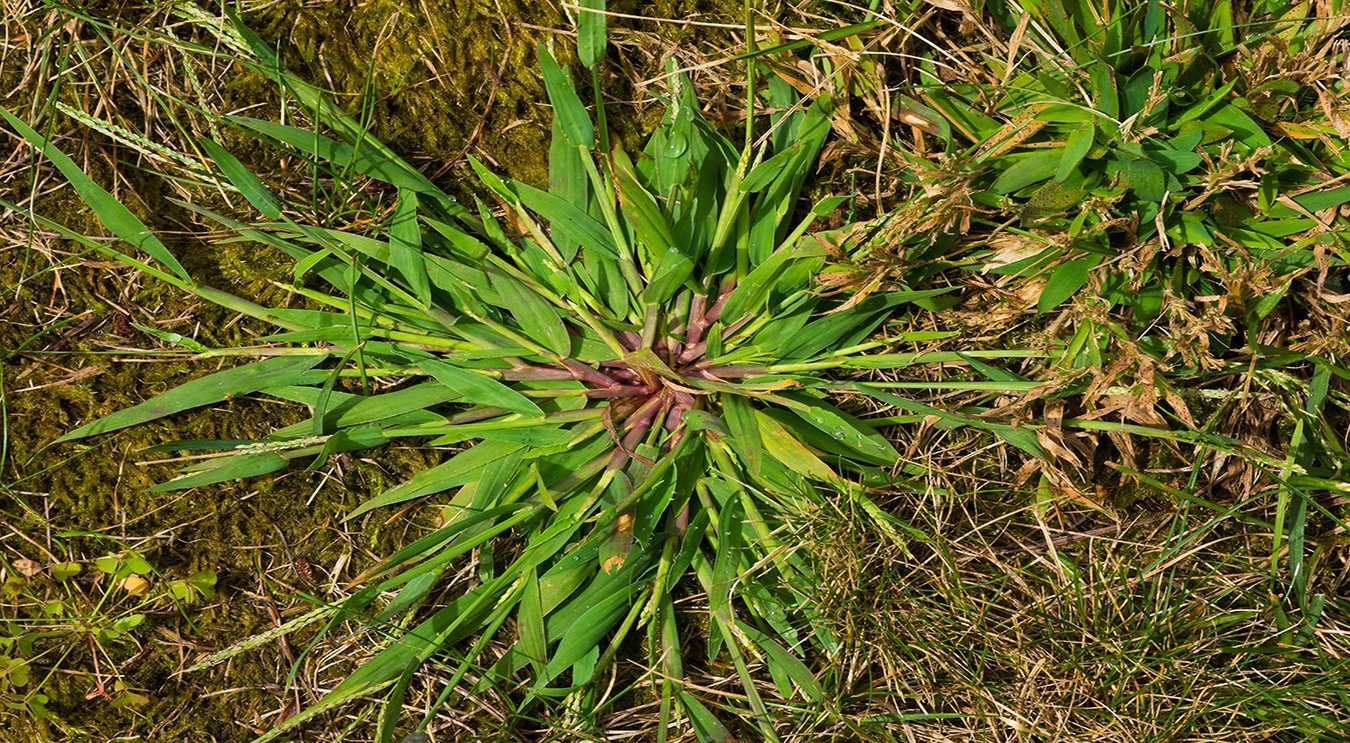
Crabgrass is a warm-season annual weed that grows from seed. It gets its name from the way its stems spread outward across the ground, almost like crab legs. It often looks lighter green than the surrounding turf and can grow in clumps or wide patches.
Crabgrass is common in lawns, driveways, sidewalk cracks, landscape edges, and bare soil. Once it matures, it can produce many seeds that stay in the soil and create new problems later.
Crabgrass germinates when soil temperatures become warm enough for the seeds to sprout. A common rule is that crabgrass starts germinating when soil temperatures reach about 55 degrees for several consecutive days.
This timing can vary based on weather, soil moisture, sunlight, and lawn conditions. In warmer areas like Jupiter, crabgrass may germinate earlier than in cooler regions. That is why waiting until crabgrass is already visible can make control harder.
If you are asking, ” When does crabgrass germinate, the simple answer is this: it starts when the soil warms up, not just when the air feels hot.
Crabgrass can begin to germinate when soil temperatures reach about 55 degrees. Larger flushes of crabgrass may appear as soil temperatures continue to rise.
Soil temperature matters more than air temperature. A warm afternoon does not always mean crabgrass is ready to sprout, but several days of warm soil can trigger germination.
For homeowners, this means pre-emergent weed control needs to be applied before the main germination period. If it is applied too late, many seeds may already be growing.
Crabgrass grows most actively during warm weather. Once it germinates, it spreads through spring and summer, especially in areas where the lawn is thin, dry, compacted, or stressed.
Crabgrass commonly grows in:
In Jupiter, crabgrass can be more aggressive because warm weather and regular moisture allow weeds and lawn pests to stay active for much of the year.
Crabgrass usually starts producing seed after it matures, often later in the growing season. Once seed heads form, the weed can drop seeds back into the soil, which creates future crabgrass problems.
This is why early control matters. If crabgrass is allowed to seed, the same lawn may deal with new plants again and again. Mowing alone will not fully solve the problem because crabgrass can grow low and still produce seed.
If you are wondering when crabgrass seeds form, the key point is that mature crabgrass can produce the next generation of weeds before it dies back.
Jupiter’s warm climate, frequent rain, irrigation, sandy soil, and sunny yards can create strong growing conditions for crabgrass. The weed often appears where turf is weak or open.
Crabgrass may become worse when:
A healthy lawn is one of the best defenses. Thick turf shades the soil and gives crabgrass less room to germinate.
Not every lawn problem is caused by weeds. Sometimes a yard looks thin or patchy because lawn pests are damaging the grass.
Crabgrass usually looks like coarse, spreading grass with wide blades and low-growing stems. Lawn pest damage may look like brown patches, loose turf, bite marks, mounds, or grass that does not improve after watering.
Common lawn pests that may be confused with weed problems include:
If you are unsure whether your lawn has weeds, insects, disease, or watering stress, a professional inspection can help identify the real cause.
Lawn pests can weaken turf and create bare spots. Once those bare spots open up, crabgrass has more room to grow.
Chinch bugs can create dry-looking patches in the lawn. These areas may appear to be drought-stressed, but watering alone may not fix the damage.
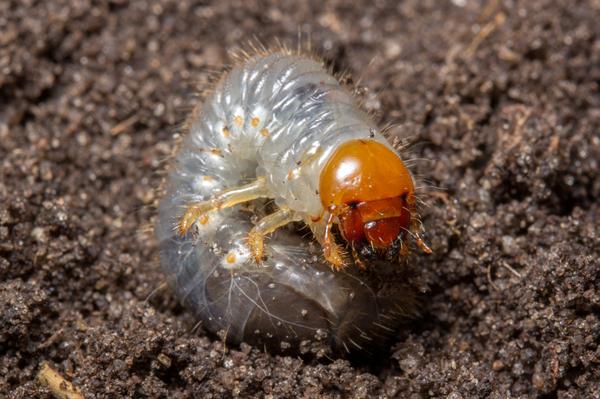
Grubs feed near the root zone and can make the grass loose or easy to pull up. Damaged turf often leaves open areas where weeds can spread.
Sod webworms chew grass blades and can leave thin patches behind. These thin areas may later fill in with crabgrass.
Fire ants create mounds and make outdoor areas uncomfortable. Their activity can disturb the soil and make lawn care more difficult.
Fleas and ticks may hide in shaded areas of the lawn, especially where pets, wildlife, or overgrown grass are present.
Pest control in Jupiter, FL, can help protect lawns by identifying insects and outdoor pests that weaken turf. When lawn pests are controlled, the grass has a better chance to stay thick, healthy, and more resistant to weeds.
Professional service may include:
Jupiter pest control is most effective when it looks at the whole property, not just one weed or one insect. Crabgrass, pests, moisture, and weak turf often work together.
The best time to kill crabgrass depends on whether it has already sprouted.
If crabgrass has not appeared yet, use pre-emergent weed control before seeds germinate. This helps prevent crabgrass from breaking through the soil.
If crabgrass is already growing, post-emergent treatment may be needed. This works best when the plants are young. Mature crabgrass is harder to control and may require more than one treatment.
For homeowners asking how and when to kill crabgrass, here is the simple answer:
Do not apply any products at random without checking the label. Some weed killers can damage certain turf types if used incorrectly.
Pre-emergent weed control is used before crabgrass seeds sprout. It creates a barrier that helps stop seedlings from growing.
Post-emergent weed control is used after crabgrass is visible. It targets existing plants, but it is usually more effective when crabgrass is young.
Use pre-emergent when:
Use post-emergent when:
Timing is very important. If you miss the prevention window, the lawn may need a different treatment plan.
You may need professional lawn care or pest control if:
A professional can inspect the lawn and recommend the right plan instead of guessing.
To help reduce crabgrass and lawn pest problems, homeowners can take these steps:
A strong lawn makes it harder for crabgrass and pests to take over. If problems persist, Jupiter pest control and lawn care services can help identify the cause.
Crabgrass and lawn pests can affect both homes and businesses.
For residential properties, lawn issues often show up in:
For commercial properties, lawn and pest issues may affect:
A clean and healthy lawn helps improve curb appeal while reducing pest pressure around the property.
Crabgrass germinates when soil temperatures stay warm enough for several days. It often begins at around 55 degrees, but larger outbreaks may occur as the soil warms.
Crabgrass can start germinating when soil temperatures reach about 55 degrees. Soil temperature is more important than air temperature when timing crabgrass prevention.
Crabgrass grows during warm weather and spreads most aggressively in thin, sunny, or stressed areas of the lawn. It can keep growing through the hotter parts of the season.
Crabgrass seeds after it matures, often later in the growing season. Once it produces seed heads, it can drop new seeds into the soil, returning in future seasons.
Use pre-emergent weed control before crabgrass germinates. If crabgrass is already growing, use post-emergent control while plants are young. Mature crabgrass is harder to kill and may need repeated treatment.
Yes. Lawn pests can damage turf and create thin or bare spots. Crabgrass spreads more easily when the grass is weak, damaged, or stressed.
Palm Coast Pest Control understands how weeds, lawn insects, and outdoor pests affect local properties. Whether your lawn has crabgrass, fire ants, chinch bugs, fleas, ticks, mosquitoes, or recurring pest activity, the team can inspect the property and recommend a plan that fits your needs.
Crabgrass is easier to prevent than to remove after it spreads. The best approach is to understand when crabgrass germinates, when it grows, when it seeds, and how lawn pests may weaken the turf around it.
For homeowners and businesses, a healthy lawn starts with the right timing, proper lawn care, and professional support when weeds or pests keep returning. If crabgrass or lawn pests are taking over your yard, contact us for help protecting your property.