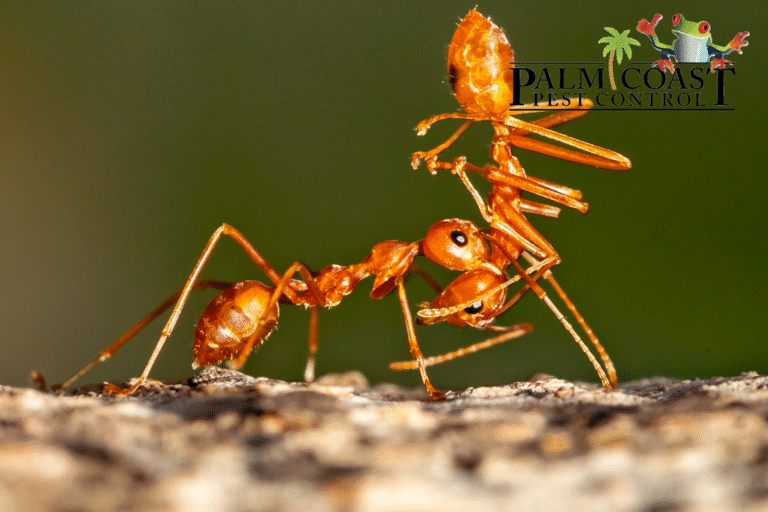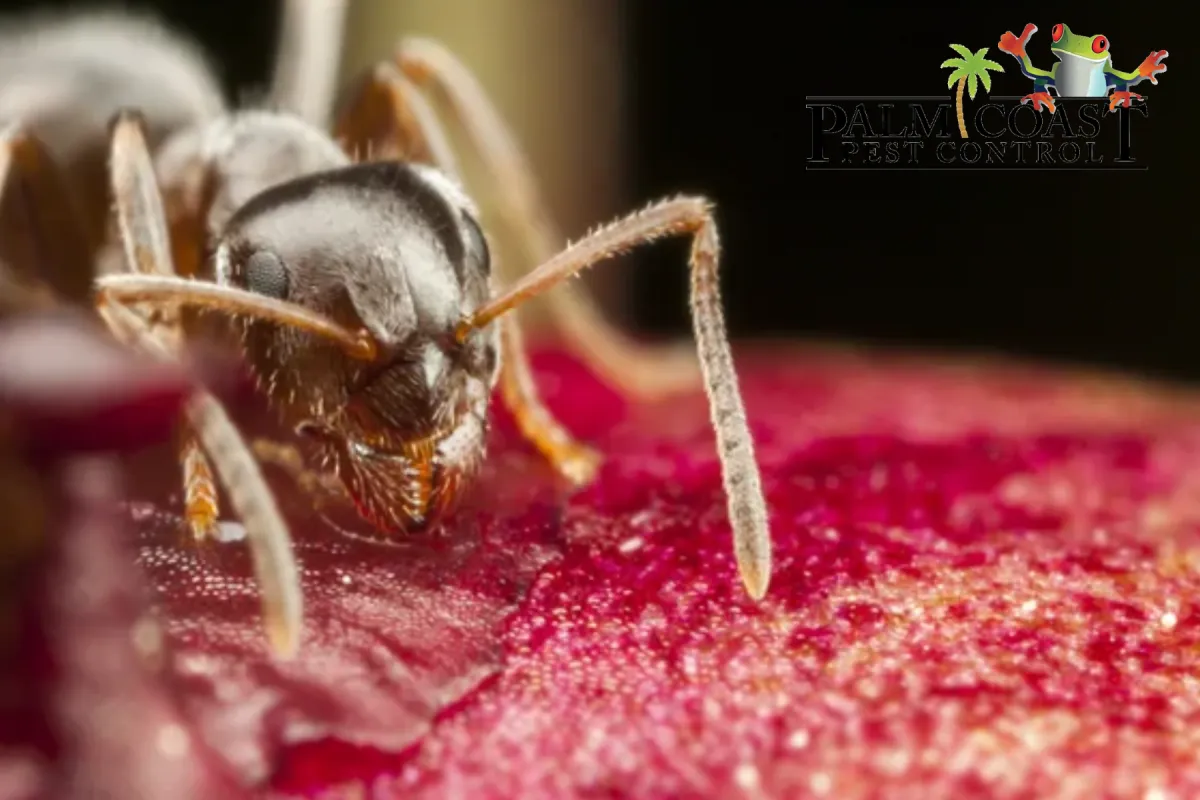
Pharaoh ant budding happens when repellent sprays trigger a colony’s survival instinct, causing multiple queens to split and form several new, independent nests in different parts of the home. Instead of killing the colony, the chemical serves as an alarm, forcing the ants to relocate and multiply, often turning a kitchen-only problem into a whole-house infestation. To stop this cycle, you must switch from sprays to non-repellent baits that the ants unknowingly carry back to their hidden queens.
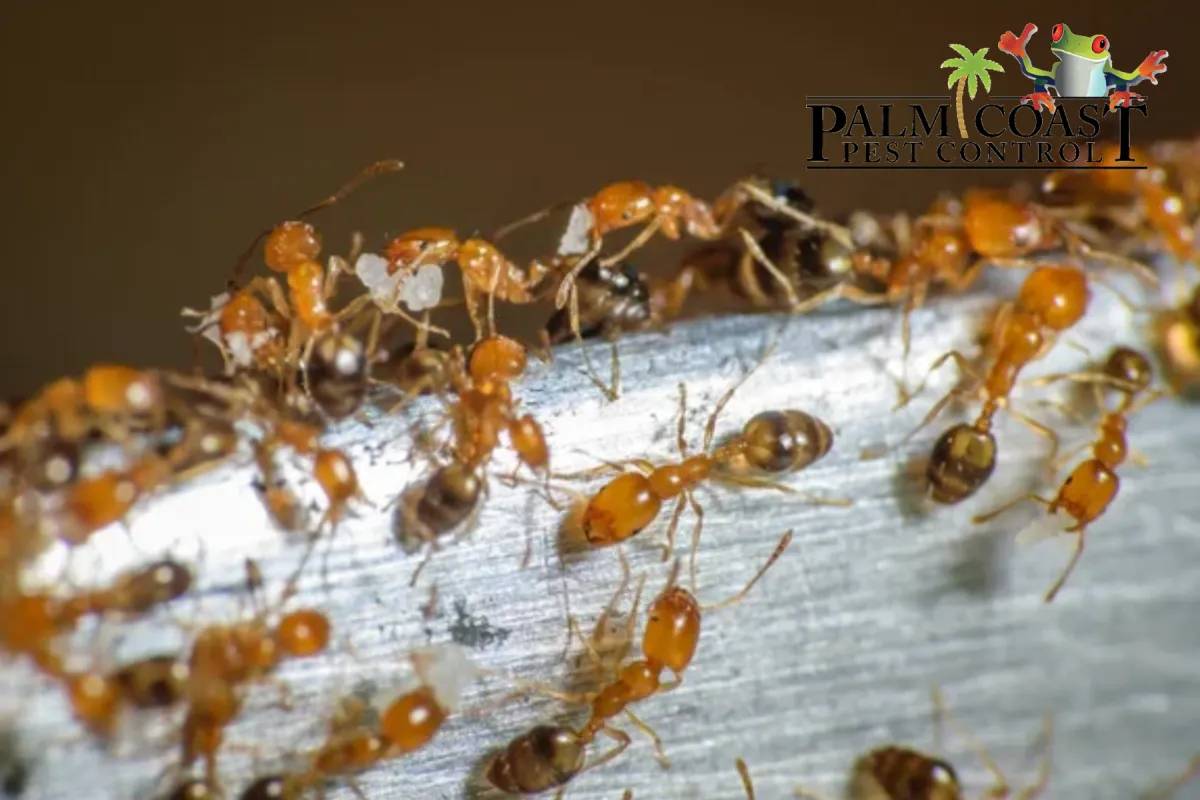
Most homeowners think a store-bought “bug killer” is the best way to handle a line of ants on the counter. While this might work for some species, Pharaoh ants (Monomorium pharaonis) are built differently. These tiny, yellowish insects are “polygynous,” which means a single colony can contain hundreds of reproductive queens. This complex social structure is exactly why general ant control methods often backfire.
When you use a repellent spray, you aren’t just killing a few workers; you are signaling a life-threatening emergency to the rest of the nest. The ants that aren’t hit by the spray immediately communicate the danger to the queens. Because there are so many queens available, the colony doesn’t just run; it divides. A group of workers will grab a queen and some larvae and move behind a wall outlet, under a floorboard, or into a closet. This fracturing is known as “budding.”
| Feature | Repellent Sprays (Store-Bought) | Non-Repellent Baits (Professional) |
| Ant Detection | Ants “smell” the chemical and scatter | Completely invisible and odorless to ants |
| Immediate Result | Kills only the few ants you see | Ants continue normal foraging |
| Colony Reaction | Budding: One nest splits into five | Collapse: The social chain is broken |
| Queen Impact | Zero; queens stay safe in the walls | High; queens are fed the toxin |
| Success Rate | Very low (spreads the problem) | High (eliminates the source) |
During a recent site visit for a homeowner in a local service area, we found that what started as a few ants in the pantry had spread to the master bath and the nursery after the owner used three different cans of spray. This is the classic “budding” effect in action.
Budding is a biological defense mechanism. In nature, if a nest is disturbed by a predator or a flood, the colony needs to survive. By splitting into smaller satellite nests, they ensure that the lineage continues even if one location is destroyed. When you apply a repellent in your home, the ants treat that chemical like a natural disaster.
Because Pharaoh ants are so small, they can establish new nests in almost any tight space. They don’t need much, just a little moisture and a food source. In the tropical Florida environment, the high humidity allows these colonies to thrive and move effortlessly through the structure of your home. We often see this when providing Melbourne pest control, where the climate encourages these nests to grow at an accelerated rate.
At Palm Coast Pest Control, we don’t believe in “quick fixes” that just push the problem into the next room. We bring over three decades of excellence to every home we visit. We understand that the only way to win against Pharaoh ants is to use their own social habits against them. This requires a shift from “scaring” the ants to “recruiting” them.
Our highly trained ant control experts use safe, effective methods for ant eradication. Instead of a repellent that creates a barrier, we use professional-grade baits that are undetectable to the ants. These baits are designed to be slow-acting. We want the foraging workers to eat the bait and, more importantly, share it with the hidden queens and larvae. This process, called trophallaxis, is the only way to reach the colony’s heart.
Our approach is comprehensive, providing both interior & exterior ant pest control. By treating the perimeter and specific interior “hot zones” simultaneously, we ensure that the colony’s entire social network collapses. We are so confident in this method that our work is 100% satisfaction guaranteed. To help our neighbors get started, we always have free quotes available & save 10% for new customers.
The Myth: “If I spray a line of ants and they all die immediately, I have solved the problem, and my kitchen is safe.”
The Reality: This is the most dangerous mistake you can make with Pharaoh ants. In professional pest management, an “instant kill” on a Pharaoh ant worker is actually a sign of failure. If that forager dies on your baseboard, it never returns to the nest. The queens stay alive, sense the chemical danger, and trigger the budding process. You might not see ants for a day or two, but they are simply busy setting up four new nests in other rooms.
A truly successful treatment is one in which you see more ants during the first 48 hours. This is a sign that the foragers have found the bait and are recruiting their colony-mates to come and feed. This is the expertise we bring to pest control. We educate our customers to “let the ants eat” so the colony can be destroyed from the inside out.
To understand why our highly trained ant control experts choose specific baiting rotations, consider these technical features:
Polygynous Colony Structure
A colony with multiple reproductive queens, allowing the nest to fracture and survive through budding.
Trophallaxis
The biological process of social food sharing. This is how our safe and effective ant eradication products reach the queens.
Pheromone Trails
Chemical signals left by ants lead others to food. We use these “highways” to place our baits for maximum recruitment.
Budding (Fracturing)
The movement of a queen and workers to a new location in response to environmental stress or repellent chemicals.
Non-Repellent Chemistry
A class of products that insects cannot detect, preventing the panic response and ensuring the toxin is carried back to the nest.
This technical knowledge is part of our over three decades of excellence, ensuring we provide the most effective pest control in Melbourne, FL, for our local community.
If you have already made the mistake of spraying and you see ants popping up in new rooms, don’t panic. You can stop the cycle by following these professional steps:
We recently handled a complex pest control in Melbourne where a property manager had attempted to spray for Pharaoh ants in a shared apartment building. The ants had spread through the plumbing voids into four different units. By implementing our targeted baiting strategy, we stopped the budding and cleared the entire building in less than three weeks.
Q: Why are Pharaoh ants harder to kill than other ants?
A: It’s the queens. Most ants have one queen; Pharaoh ants have hundreds. If you don’t kill every queen, the colony just regrows and splits into new areas.
Q: How long does a baiting program take to work?
A: You will usually see a major reduction in ants within 7 to 10 days, with the entire colony collapsing in about 21 days. Patience is key to letting the transfer effect happen.
Q: Are professional baits safe for my pets?
A: Yes. We prioritize child- and pet-safe, eco-friendly solutions. Our baits are placed in hidden cracks or tamper-resistant stations that pets cannot reach.
Q: Can I just use vinegar to stop them?
A: No. While vinegar cleans pheromone trails, it is a mild repellent. It will often cause the colony to shift positions or “bud” rather than die.
At Palm Coast Pest Control, we are an experienced, family-run team that mixes deep technical know-how with friendly, down-to-earth service. We know that an ant infestation makes your home feel stressful and “unclean.” That’s why we treat every customer like a neighbor, ensuring you receive the best ant control solutions tailored to your specific needs.
We believe in using the latest, proven treatment methods and quality equipment. We prioritize your family’s health, ensuring our treatments are effective without being harsh. Our over three decades of excellence mean we have the local expertise to handle Florida’s unique pest pressures year-round.
What sets us apart? We offer same-day and emergency service because we know infestations don’t wait for business hours. We are a single provider for all your needs: pest control, termite control, rodent control, and lawn care. Plus, our work is 100% satisfaction guaranteed; if the pests don’t stay away, we come back at no extra charge.
Join the homeowners along the East Coast who trust us for safe and effective ant eradication. We are here to restore your peace of mind and protect your home with expert care. Contact us today!