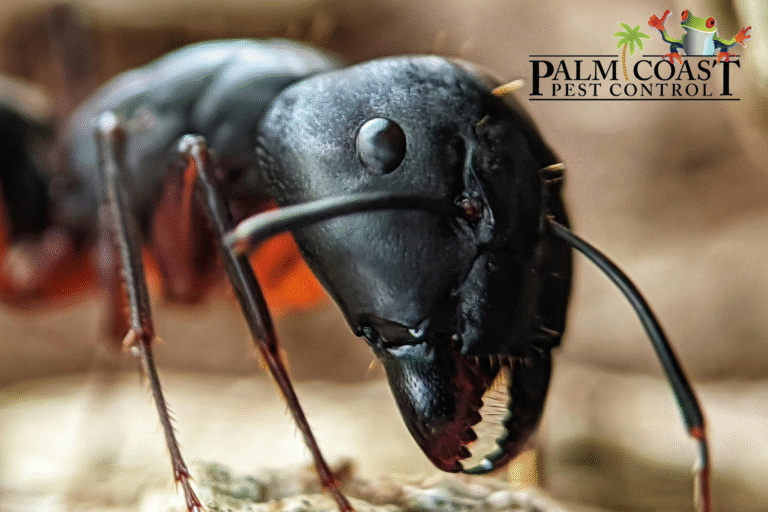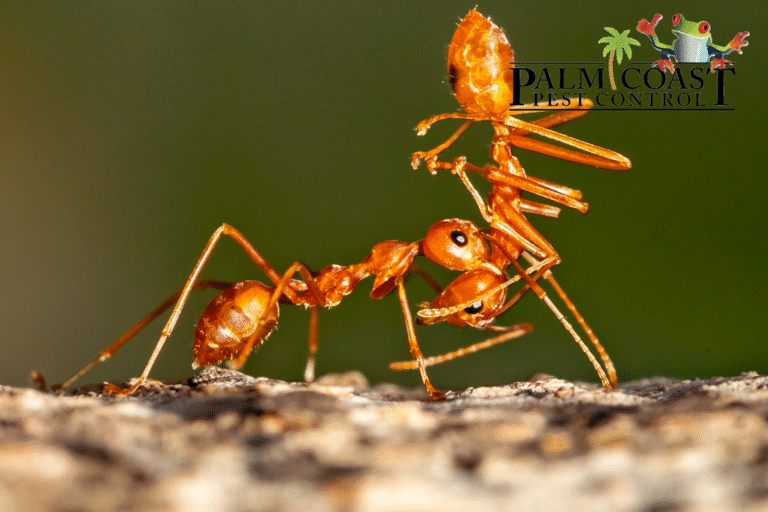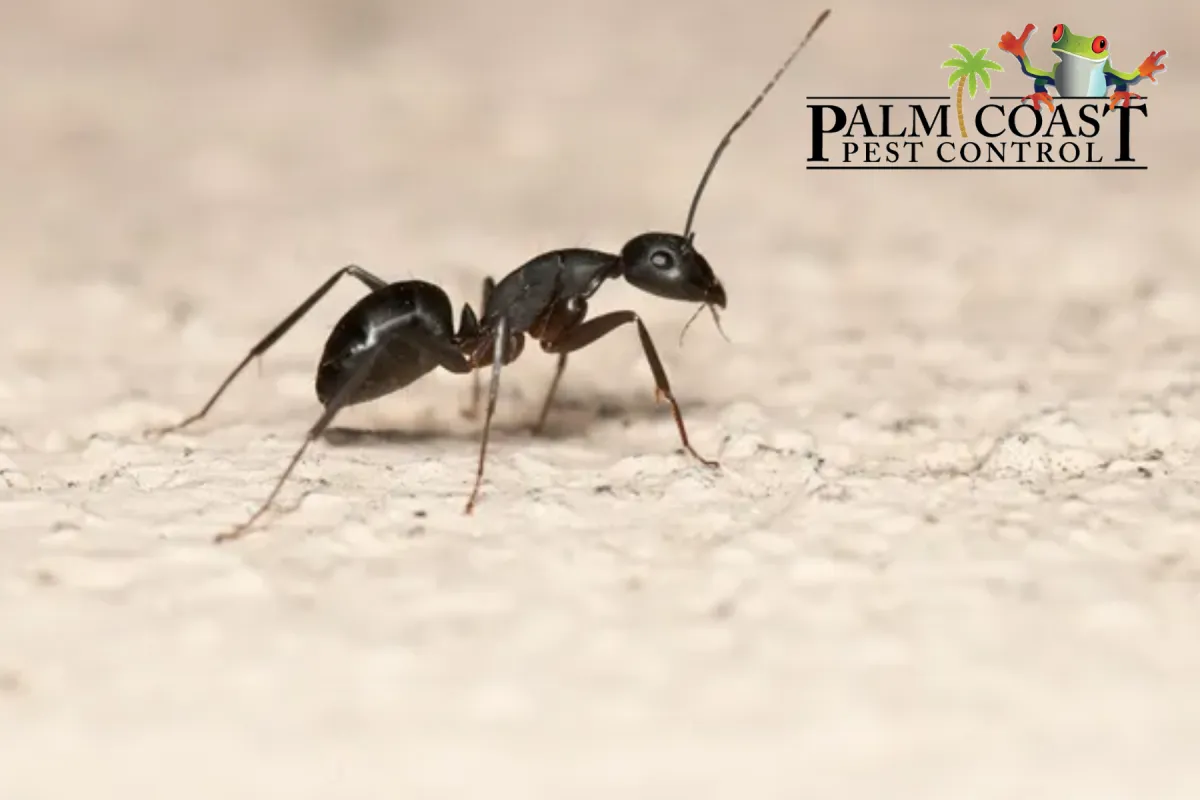
To distinguish between carpenter ant frass and termite pellets, look at the uniformity and content of the pile. Carpenter ant frass is a messy mix of wood shavings, dead insect parts, and soil, as they chew wood only to create space for their nests. Termite pellets (frass) are tiny, hard, and perfectly uniform grains with six concave sides, looking like poppy seeds, because termites digest the wood they eat.
If you find a pile of what looks like sawdust on your windowsill or near a baseboard, your first thought is likely about the safety of your home. In our corner of Florida, we deal with high moisture and wood-destroying pests year-round. Knowing exactly what you are looking at is the first step toward getting the right help.
While both pests leave behind debris, the “fingerprints” they leave are very different. Use the table below to help identify which visitor has moved into your walls. This is often the first step in effective ant control for many homeowners.
| Feature | Carpenter Ant Frass | Drywood Termite Pellets |
| Physical Shape | Irregular shreds and shavings | Uniform, oval, with 6 flat sides |
| Material Content | Wood, dead insects, insulation | Digested wood (fecal matter) |
| Texture/Feel | Soft, fibrous, or “clumpy.” | Gritty, hard, and like sand |
| Color | Matches the wood + dark bug bits | Variegated (shades of tan and brown) |
| Appearance | Like a messy pile of pencil shavings | Like a neat pile of salt or pepper |
We often see these signs during pest control in White City, FL, where the humid air makes wood especially attractive to these invaders. Identifying the difference quickly can prevent minor damage from turning into a major structural repair.
Where you find the debris is often as telling as what the debris looks like. Carpenter ants are “cleaners” who carve out galleries to live in, whereas termites are “eaters” who produce waste as they consume your home. This distinction is vital for pest control in White City because the treatment for an “eater” is completely different from that of a “cleaner.”
If the debris is scattered and full of bug parts, you likely need a professional White City pest control expert to locate the main nest and its satellite colonies.
At Palm Coast Pest Control, we don’t rely on guesswork. Our process is built on over 35 years of experience with Florida’s unique pest pressures. To ensure we provide the correct solution, we perform a detailed inspection of your property. This allows our highly trained ant control experts to see beyond the surface and find where these pests are truly hiding.
Once we identify the species, we implement a customized interior & exterior ant pest control plan. We don’t just treat the pile you see; we trace the colony back to its source to make sure it’s gone for good. We believe in providing value, which is why we offer free quotes and save 10% for new customers. Our goal is your total peace of mind, backed by our 100% satisfaction guaranteed promise. If the pests don’t stay away, we will come back until the job is done.
The Myth: “If I see a pile of sawdust on the floor, I definitely have termites eating my house.”
The Reality: This is the most common misconception in the industry. As we’ve learned, termites rarely produce anything that looks like traditional sawdust. Because termites digest the cellulose they eat, their waste is compressed into hard, dry pellets. If you see material that looks like actual wood shavings or “dust,” it is far more likely to be Carpenter ants, wood-boring beetles, or even just old dust from a previous renovation. Termites are far more organized with their waste than most people realize!
Carpenter Ant Frass
A mixture of wood fragments, discarded insect parts, and environmental debris. It is “excavated” wood, not digested food.
Termite Pellets (Frass)
Fecal matter from Drywood termites. They are roughly 1mm long and have six concave sides. This shape is created by the termite’s muscles squeezing out every drop of moisture.
Kick-out Holes
Tiny, round exit ports ($0.04\text{ to }0.08\text{ inches}$ in diameter) are used by termites to discard waste.
Slit Windows
Irregular openings are used by Carpenter ants to eject “trash” from their nests.
Q: Can a house have both Carpenter ants and termites?
A: Yes. It is common to find “double infestations” in our service areas. Carpenter ants often move into wood that has already been softened by moisture or previous termite damage.
Q: Do subterranean termites leave pellets?
A: No. Subterranean termites use their waste to build “mud tubes” for travel. Only drywood termites produce the hard, sand-like pellets described above.
Q: Why does the color of termite pellets vary?
A: The color depends on the type of wood they are eating. If they are eating light-colored pine, the pellets will be light; if they move into dark mahogany, the pellets will turn dark.
Q: How do I get a free quote?
A: You can reach out to us anytime. We offer free quotes & save 10% on your first service to make it easy to protect your home.
At Palm Coast Pest Control, we are a professional yet neighborly, family-run team. We mix deep technical know-how with friendly service because we know how much your home means to you. We’ve spent over 35 years of experience learning the habits of Florida pests, and we use that knowledge to keep your family safe.
Our goal is to give you the peace of mind that your home or business is safe from pests. We use the latest proven methods and prioritize child- and pet-safe, eco-friendly solutions. Whether you need help with termites, rodents, or a full interior & exterior ant pest control program, we are your one-stop provider.
Take advantage of our 100% satisfaction guarantee. If the pests don’t stay away, we will come back until the job is finished. Reach out today and find out why we are the trusted choice for families along the East Coast.