
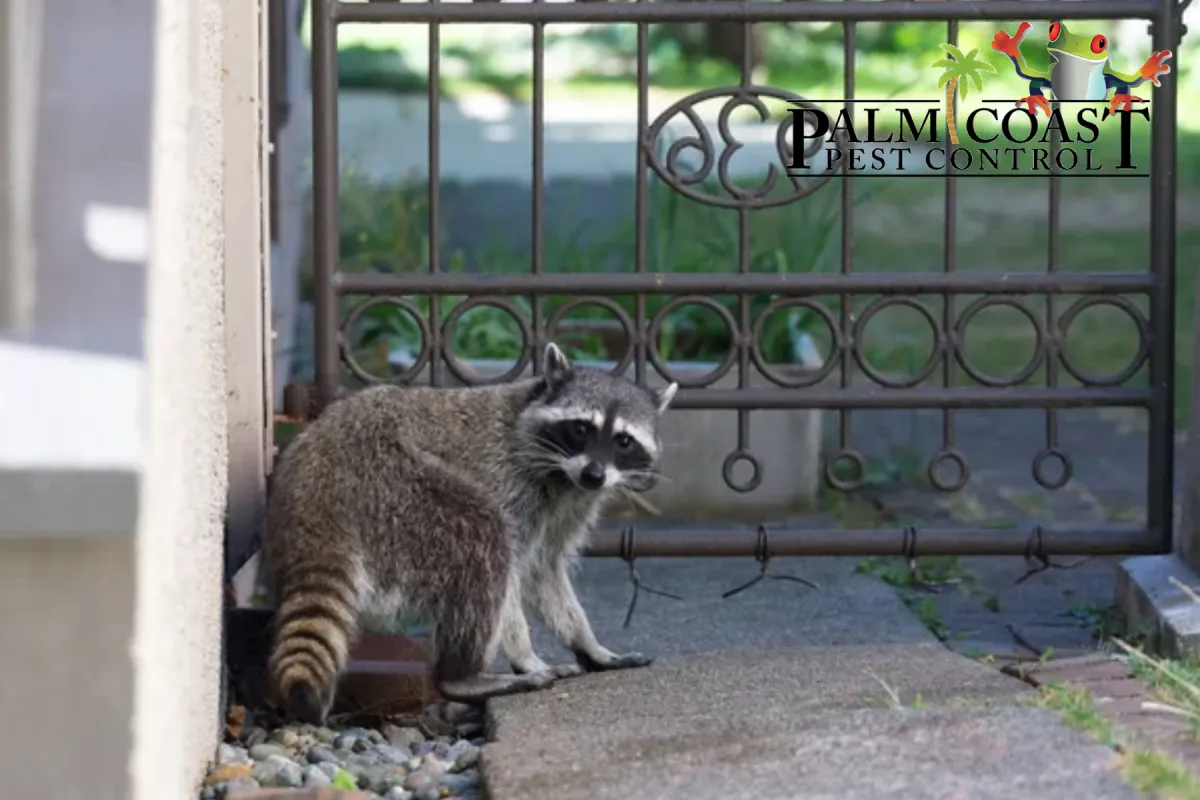
Sealing a raccoon entry point prematurely traps dependent kits inside, causing starvation, severe indoor odors, and structural destruction as the mother attempts to tear her way back in. Ensuring the nest is entirely vacant before sealing prevents wildlife cruelty and catastrophic property damage. Always verify for juvenile kits first.
During the spring and summer breeding seasons, attic noises such as heavy rustling, scratching, or thumping may indicate the presence of a mother raccoon with dependent kits. While many homeowners try to patch the exterior entry point right away, sealing the opening too soon can trap hidden babies inside the insulation and separate them from their mother. This can turn a minor wildlife issue into a serious property emergency, especially when the adult female returns from foraging and tries to force her way back inside.
A mother raccoon, driven by her natural protective instincts, can cause immense mechanical damage to a home. Using her powerful claws and highly dexterous front paws, she will aggressively tear apart asphalt shingles, rip down aluminum soffits, shatter fascia boards, and destroy plastic roof vents to re-enter the space. If she is unable to break back inside, the trapped kits will slowly perish within your wall voids or ceiling boards. Within a few days, this creates a severe biohazard characterized by intense decay odors, structural flies, and beetle infestations that require expensive professional remediation. When property owners realize they need comprehensive pest control in White City, FL, it is often because an unverified sealing attempt went wrong.
| Project Outcome Parameter | Immediate Blind Sealing | Kit-Verified Humane Exclusion |
| Maternal Behavioral Response | Extreme structural damage; the mother tears away roof components to reach her litter. | Calm and orderly, the mother naturally relocates her young to an alternative den. |
| Structural Odor & Pest Risks | Critical risk of animal decay, maggot infestations, and localized biological hazards. | Zero risk; the building envelope is sealed only when the nesting site is entirely vacant. |
| Animal Welfare Compliance | High risk of animal cruelty through slow starvation of juvenile wildlife. | High compliance; focuses on humane, stress-free dispersal and the preservation of natural wildlife. |
| Long-Term Seal Integrity | Low; desperate wildlife will weaken or destroy secondary structural barriers. | Outstanding; permanent heavy-duty materials preserve the structural boundary. |
To successfully resolve a wildlife intrusion without causing property damage or animal distress, you must understand the specific biological behaviors that govern these animals.
Understanding these biological factors changes how professionals approach raccoon removal from top to bottom.
Dealing with an active wildlife issue can be incredibly stressful for a property owner. The fear of structural damage, nighttime noise, and potential health risks can easily disrupt your peace of mind. We understand that you need more than just a quick fix; you need a dependable, permanent solution delivered by a team that treats your property with the utmost respect. As a premier choice for White City pest control, we handle every wildlife challenge with a blend of technical expertise and neighborhood hospitality.
Our company brings over 35 years of experience to every job site, utilizing fully licensed & insured crews who are deeply trained in native wildlife biology and structural carpentry. We know that a wild animal inside your roofline requires immediate attention, which is why we provide same-day & emergency service to deliver rapid relief. Our technicians focus on using safe & humane methods that protect both your home and the local ecosystem. We do not use dangerous shortcuts or cruel traps. Instead, we offer a quick response to urgent raccoon problems by employing sophisticated, ethical removal techniques that respect the animals’ maternal bonds while ensuring they are completely removed from your structure.
When you call us for an inspection, we complete a top-to-bottom review of your roofline, chimney, attic, and crawlspaces to find every possible entry point. We also use thermal cameras to check for hidden litters before creating a safe removal plan that helps mothers and babies reunite outdoors. Once we confirm your home is completely clear, we seal the openings with heavy-duty, chew-proof steel barriers and back the work with a satisfaction promise for lasting protection.
A common myth among property owners is that if you seal up the main entry hole, any animal trapped inside will simply wander through the attic until it finds another gap, open eave, or plumbing vent to exit the building. Many people assume that wild animals possess a map-like understanding of a home’s layout and will simply choose an alternate route if their favorite door is closed. This assumption is completely false and often leads to expensive structural repairs.
When an animal’s primary entry and exit vector is suddenly blocked, it does not calmly seek an alternative path. Instead, panic sets in immediately. A trapped adult raccoon will aggressively attack the area directly around the fresh patch, chewing through wood framing, electrical wires, and PVC utility pipes. If they are unable to break through the exterior wall, they will often scratch completely through the drywall of your ceiling, falling directly into your living spaces. Furthermore, if the trapped animals are young, immobile kits, they lack the physical capability to travel at all. They will remain completely still in the nest, crying out until they perish, leaving the homeowner with a severe odor problem hidden deep within the home’s structural framing. Securing proper pest control in White City is the only way to avoid these severe structural risks.
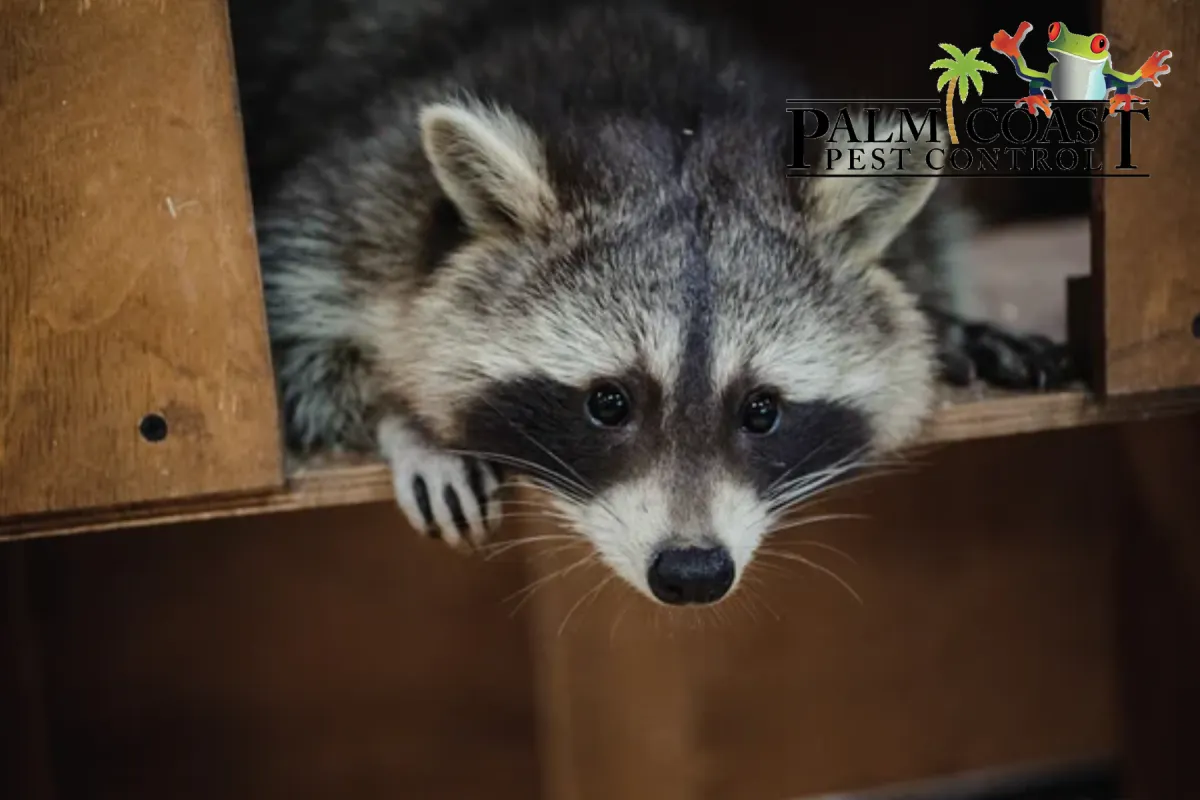
Listen during the day for bird-like chirps, high-pitched whines, or crying sounds coming from the ceiling.
Have the entry point reopened immediately, or call a wildlife technician to prevent roof damage and protect the trapped kits.
Yes. If installed too early, the mother can exit while the kits remain trapped inside and are unable to survive alone.
An animal intrusion requires a careful, professional response that protects your property while respecting local wildlife laws. Palm Coast Pest Control provides honest inspections, clear communication, pet-safe and eco-friendly solutions, and dependable service backed by decades of field experience and a 100% satisfaction guarantee, so if the pests return, so do we at no extra cost.
Are you ready to secure your roofline, chimney, or foundation from wildlife intrusions the right way? Contact us today to schedule your completely free inspection and take advantage of our 10% discount for all new customers. Let our experienced family protect yours.
