As summer approaches, homeowners in Jupiter, FL, need to be aware of one of the most destructive pests: chinch bugs. These tiny insects are most active from late June through early September and can cause significant damage to your lawn within weeks. If you’re seeing areas of your lawn turning yellow or brown, it might not be drought damage; chinch bugs could be the culprit.
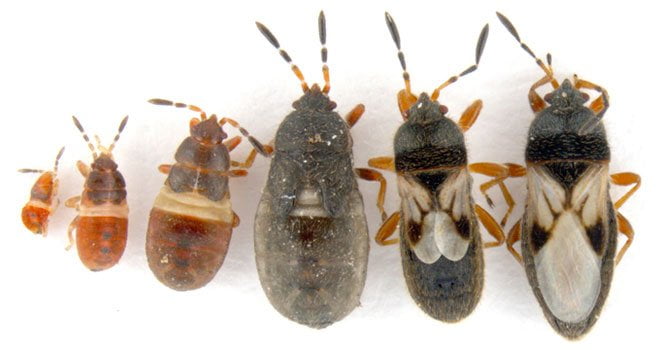
Chinch bugs are small, but they pack a punch when it comes to damaging your lawn. About 1/5 of an inch in size, chinch bugs have black bodies and white wings that are folded across their backs. The nymphs start out yellow, then turn red, and finally mature into black adults. Though easy to identify, these insects are often difficult to spot in your lawn, especially when they’re in large numbers.
Chinch bugs are most commonly found in St. Augustine and Zoysia grass, both of which are popular in Jupiter, FL. Their presence can be a major concern, as they damage your grass by piercing the blades and injecting poison that interrupts the plant’s ability to absorb water.
Understanding the chinch bug life cycle is key to preventing damage. After the eggs hatch, the nymphs begin feeding immediately. They mature in about 4 to 6 weeks and can reproduce quickly, causing the infestation to spread fast. This rapid life cycle is one of the reasons chinch bugs can wreak havoc on a lawn in such a short time.
Chinch bugs are especially active in the hottest, driest weather. If you’ve noticed that your lawn isn’t recovering after watering, it could be because of a chinch bug infestation, not just drought. In fact, if your grass stays dead even after watering, this is a sure sign that pest control in Jupiter, FL, is needed.
The first signs of chinch bug damage often look like drought damage. The grass starts to yellow, then turns brown and eventually dies. However, chinch bugs are much more destructive. Their feeding, combined with the poison they inject, prevents grass from absorbing water, leading to death. As damage spreads, chinch bugs move from the center of dead patches to the perimeter, causing the affected area to expand.
Grass chinch bugs love sunny spots, so you’ll likely notice damage in the areas of your lawn that get the most sunlight. In Jupiter, FL, with its warm and sunny weather, chinch bugs thrive, especially in healthy, lush lawns. It’s the healthy lawns that attract these pests because they offer an ideal breeding ground.
If you’re dealing with a chinch bug infestation in Jupiter, FL, early detection and treatment are essential. Here are some tips to prevent and manage chinch bug damage:
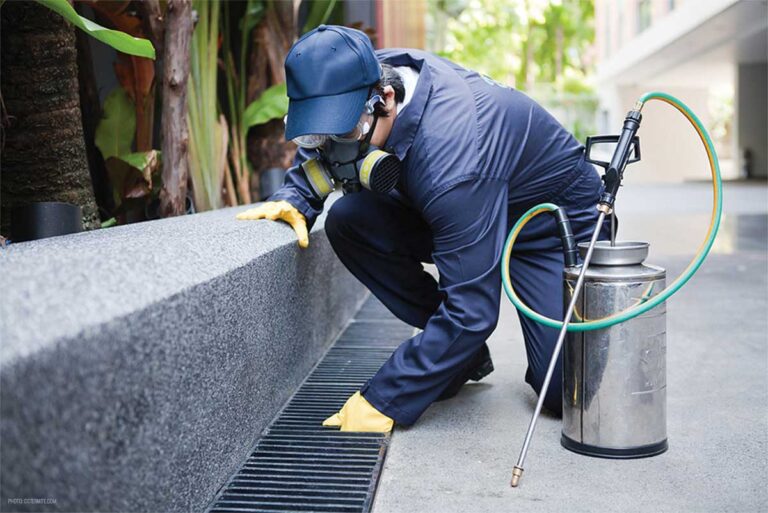
While DIY methods can help prevent some damage, chinch bugs often require professional intervention. If you’re seeing signs of chinch bug damage or your lawn isn’t recovering, it’s important to call in a pest control expert in Jupiter. Our team specializes in pest control and offers tailored solutions to safely and effectively eliminate chinch bugs from your lawn.

A chinch bug is a small, destructive pest that feeds on grass by piercing the blades and injecting poison, causing the grass to wilt and die. These pests are commonly found in lawns during the summer months, especially in Jupiter, FL.
A chinch bug is about 1/5 of an inch in length with a black body and white wings folded across its back. The immature stages (nymphs) start out yellow, then turn red, and eventually become black as they mature.
The chinch bug life cycle includes several stages. After the eggs hatch, the nymphs begin feeding on grass and mature in about 4 to 6 weeks. Once mature, they start laying more eggs, continuing the cycle of infestation.
In grass, chinch bugs appear as tiny pests, often hiding within the blades. They cause visible damage by turning the grass yellow, brown, and eventually killing it. The damage starts small but can quickly expand to larger areas of the lawn.
Grass chinch bugs are particularly common in St. Augustine and Zoysia grass. If you notice dry patches that don’t recover after watering, it’s likely a sign of a chinch bug infestation. The damage usually appears first in sunny, dry areas of the lawn.
At Palm Coast Pest Control, we provide reliable, eco-friendly services to homeowners and businesses in Jupiter, FL, and surrounding areas. With years of experience, our expert team specializes in treating pests like chinch bugs and more, using the latest techniques to keep your lawn healthy and pest-free.
For trusted pest control, contact us today for a consultation or to learn more about our services.