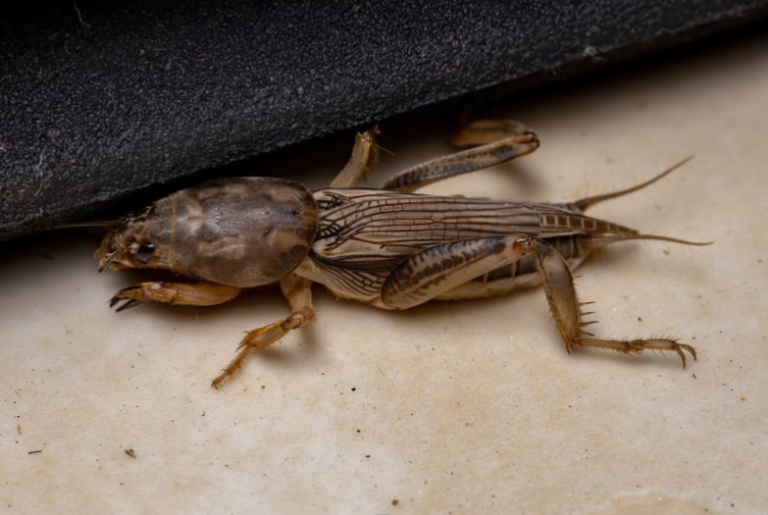
Have you noticed brown patches in your lawn that won’t recover, even after watering? Billbugs could be the hidden cause. These small beetles and their larvae feed on grass stems and roots, causing damage that often looks like drought stress or lawn disease. Learning how to identify billbugs early can help you protect your lawn before the damage becomes widespread.
Florida’s warm climate provides excellent conditions for billbugs to thrive. In Jupiter, billbugs become more active during the warmer months as adult beetles search for healthy lawns where they can lay eggs. Irrigated lawns, thick turf, and well-maintained landscapes offer an ideal environment for these pests to complete their life cycle.
For homeowners looking for dependable pest control in Jupiter, understanding how billbugs develop is an important step toward preventing costly lawn damage.
Billbugs are beetles that belong to the weevil family. Depending on the species, adults typically measure between one-half and one inch long. They are usually gray to brown and are easy to recognize by their long, curved snout, which resembles a tiny elephant trunk.
During their larval stage, billbugs look completely different. Young billbug larvae are white, legless, and resemble small grubs. They remain hidden inside grass stems and beneath the soil, where they feed on the plant before eventually developing into adult beetles.
Although they may occasionally wander onto driveways, sidewalks, or around windows and doors, billbugs survive by feeding on grasses and other plants, not by living inside homes.
Most billbug species produce one generation each year, although this can vary depending on weather conditions and species.
Adult beetles usually spend the winter protected beneath lawn thatch, leaf litter, or nearby landscape debris. As temperatures rise, they become active and begin feeding on grass stems before cutting small openings where they deposit their eggs.
Within one to three weeks, the eggs hatch and young larvae begin feeding inside the grass stems before moving into the soil to consume the roots. Once mature, they develop into adult beetles and repeat the cycle.
Because much of their life cycle occurs below ground, homeowners often don’t realize billbugs are present until visible lawn damage begins to appear.
Both adult billbugs and their larvae contribute to lawn damage.
Adult beetles weaken grass by feeding on stems and laying eggs inside them. Once the larvae hatch, they move below the surface where they consume roots and lower stems that support healthy turf.
As root damage increases, affected grass becomes unable to absorb enough water and nutrients. This causes patches of turf to turn brown, wilt, and eventually die, even if the lawn receives regular watering.
Because these symptoms closely resemble drought stress, fungal disease, or other lawn problems, professional inspection is often the best way to determine the true cause.
Billbug damage usually develops gradually. At first, you may notice small brown patches that continue growing over time.
Another common sign is grass that pulls away from the soil very easily because the roots have already been eaten by the larvae. In severe infestations, birds, skunks, and other wildlife may begin digging through the lawn in search of billbug larvae, creating additional damage.
If your lawn continues declining despite proper watering and maintenance, billbugs may be responsible.
Several lawn problems can produce similar symptoms, including drought stress, fungal diseases, chinch bugs, and grub infestations. Since each problem requires a different treatment approach, guessing can waste valuable time while damage continues.
A professional inspection helps identify the exact cause so the right treatment can be applied before larger sections of the lawn are affected.
For homeowners seeking reliable pest control in Jupiter, FL, an accurate diagnosis is one of the most important steps toward restoring a healthy lawn.
Although billbugs can seriously damage turfgrass, they are not considered dangerous to people or pets. They don’t bite, sting, or spread diseases.
Their greatest impact is on lawns, gardens, and landscaping. Left untreated, large infestations can weaken turf enough to require expensive repairs or even replacement.
Healthy lawns are generally more resilient against insect damage than stressed turf.
Regular mowing, proper watering, seasonal fertilization, and routine lawn inspections can help identify early signs of billbug activity. Monitoring your lawn during the warmer months also makes it easier to catch infestations before larvae cause widespread root damage.
If you notice persistent brown patches that don’t improve with watering, don’t assume drought is the only cause.
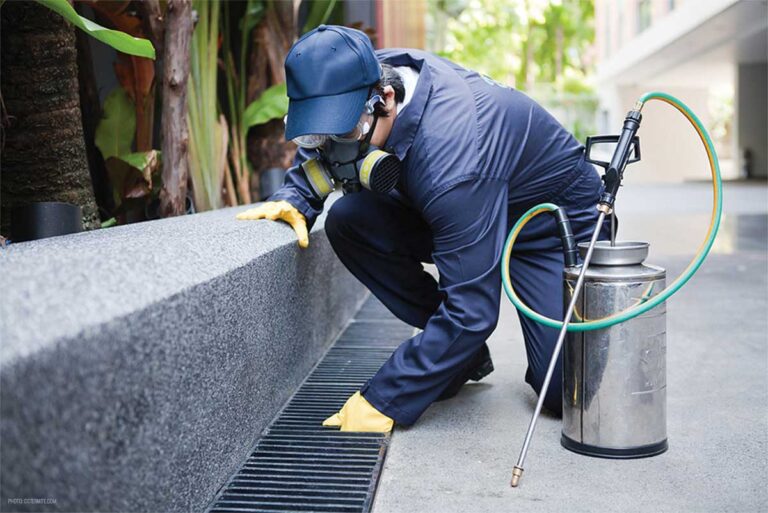
Professional billbug management begins with a detailed inspection of your lawn. An experienced technician evaluates damaged areas, checks for signs of larvae or adult beetles, and determines whether billbugs are responsible for the problem.
If treatment is recommended, a customized plan is designed to target billbugs while helping protect the long-term health of your lawn. Ongoing monitoring also helps reduce the likelihood of future infestations.
Adult billbugs are gray to brown beetles with a distinctive long snout. Their larvae are white, legless, and resemble small grubs.
Billbugs aren’t harmful to people or pets, but they can cause significant damage to lawns by feeding on grass stems and roots.
Birds, skunks, and other wildlife may dig through your yard searching for billbug larvae or other insects living beneath the soil.
Yes. Billbug damage often looks similar to drought stress because affected grass turns brown and fails to recover after watering.
If brown patches continue spreading, the grass pulls up easily, or wildlife repeatedly digs through your lawn, a professional inspection can identify whether billbugs are the cause.
Billbugs may be small, but they can cause extensive damage before homeowners even realize they’re present. Acting early is the best way to protect your lawn, reduce repair costs, and prevent larger infestations from developing.
At Palm Coast Pest Control, we’ve spent more than 35 years helping homeowners protect their lawns with honest inspections, proven treatment methods, and child- and pet-friendly solutions. As a family-owned company, we understand Florida’s unique lawn pests and provide customized recommendations designed to deliver long-lasting results.
Whether you’re looking for dependable Jupiter pest control, our experienced technicians can identify the source of your lawn damage and recommend the most effective treatment plan for your property.
Contact us today and ask about our 10% discount for first-time customers. With same-day and emergency service available, Palm Coast Pest Control provides a trusted solution backed by our 100% satisfaction guarantee. If the pests come back, so do we, giving you peace of mind that your lawn is protected year-round.