As a Floridian, you have probably accepted that hurricanes are just part of the price of living in our beautiful state. However, according to the Global Weather Oscillations Inc, 2018 is predicted to be the most active hurricane season in 70 years. Given the devastating effects of Irma on South Florida, along with the increased risk of an extremely active hurricane season, it’s of utmost importance to start preparing now. This article will provide you with tips for keeping your family and home safe during the hurricane season of 2018.
Preparing for a hurricane starts with protecting your home, planning for emergencies, and knowing what to do before a storm arrives. While hurricane conditions can be unpredictable, taking simple steps ahead of time can help reduce risks to your family and property. Jupiter pest control can also be helpful after a storm if flooding, standing water, or property damage creates conditions that attract unwanted pests.
Stay informed by signing up for local emergency alerts and weather warnings. Monitor trusted weather reports so you have time to prepare or evacuate if necessary.
Review your homeowners insurance before hurricane season. Speak with your insurance agent to understand what your policy covers, including storm, wind, and flood damage.
Check your roof for missing shingles, damaged tiles, cracks, or other problems. Addressing small issues before a storm can help prevent more serious water damage.
Inspect windows and exterior doors for gaps or damaged seals. Properly sealing these areas can help keep wind-driven rain and moisture from entering your home.
Make sure everyone in your household knows how to stay in contact during an emergency. Keep important phone numbers written down and choose an out-of-town contact who can help family members reconnect.
Keep insurance papers, identification, medical records, and other important documents in a waterproof and fire-resistant container. Digital backups can also provide extra protection.
Plan your evacuation route before a storm threatens your area. Know where you will go and allow extra travel time if an evacuation order is issued.
Storm surge can be one of the most dangerous effects of a hurricane. Learn whether your property is in a designated evacuation or storm surge risk area and follow official instructions.
Find nearby emergency shelters before hurricane season begins. Keep a list of shelter locations and check local emergency officials for updates when a storm approaches.
Unexpected repairs and other storm-related expenses can add up quickly. Setting aside emergency savings can help you handle costs after a hurricane.
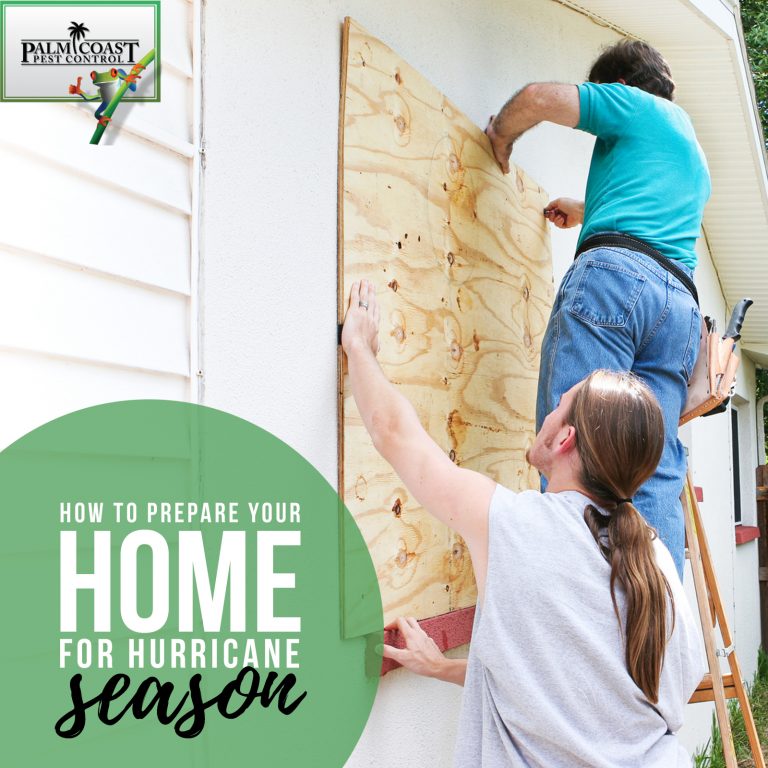
Hurricane shutters can help protect windows from wind and flying debris. If you plan to install them, do so well before a storm is approaching.
Build an emergency kit with essentials such as drinking water, nonperishable food, medications, flashlights, batteries, first-aid supplies, chargers, and important documents.
Emergency apps can provide weather alerts, evacuation information, and safety guidance. Use trusted sources such as FEMA and the National Weather Service for updates.
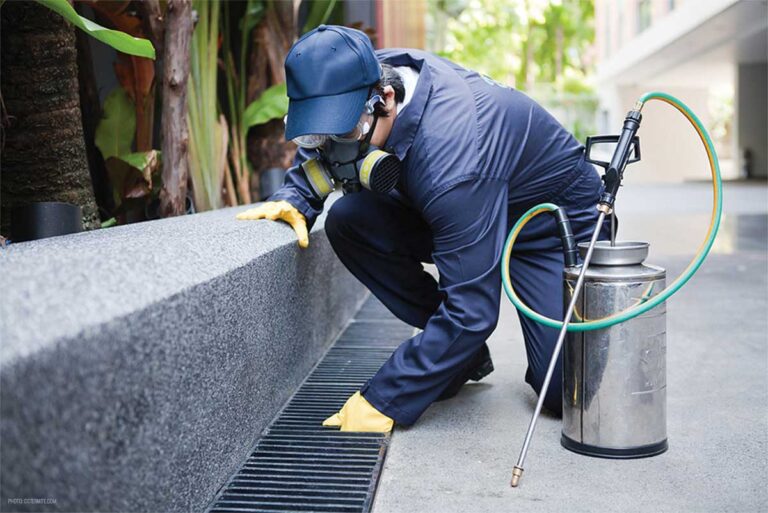
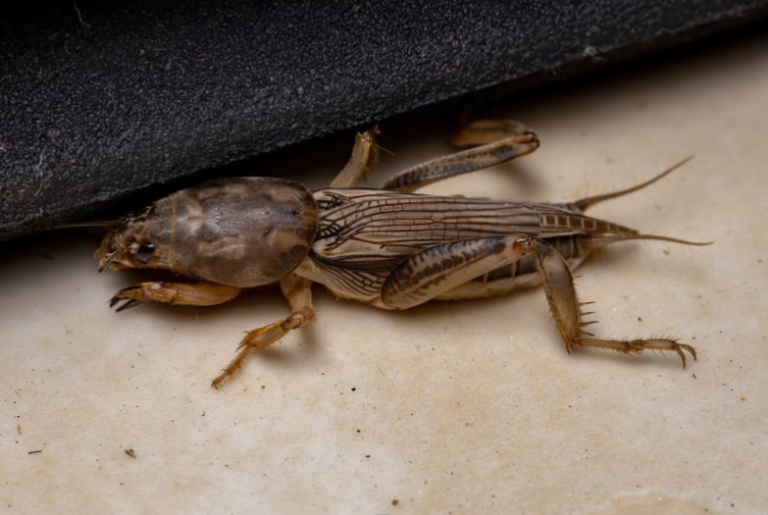
Hurricanes can also create conditions that attract unwanted pests. Flooding, standing water, damaged structures, fallen trees, and excess debris can give insects and rodents new places to shelter.
After a storm, check your property for standing water, damaged screens, gaps, and other potential pest entry points. If you notice increased pest activity, professional pest control in Jupiter can help inspect the property and recommend appropriate solutions.
Homeowners who need pest control in Jupiter, FL can benefit from addressing concerns early, especially after major storms or flooding.
Preparing before hurricane season gives you more time to protect your family, home, and important belongings. From creating an emergency kit to securing your property and knowing your evacuation plan, every step can make a difference. Palm Coast Pest Control also recommends addressing potential pest entry points before a storm, since heavy rain and strong winds can disturb pests and push them toward shelter indoors.
If storm damage leads to new pest problems around your property, professionals can help identify and address unwanted pest activity. Contact us today to get started.