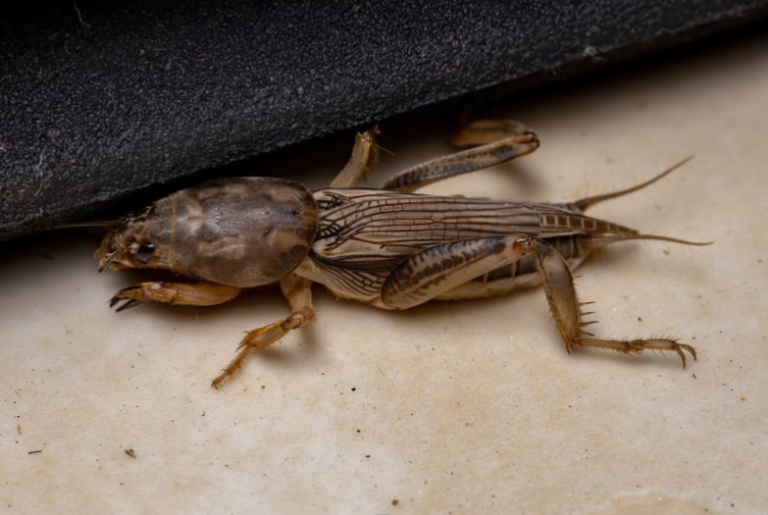
Do you have unwanted pests in your home? Ants, termites, rodents, cockroaches, bed bugs, and other pests can cause more than an annoyance. They may damage property, contaminate food, and create health concerns if an infestation is allowed to grow.
While some minor pest problems can be handled with household products, larger or recurring infestations often need professional attention. Professional pest control services can identify the source of the problem, treat active infestations, and help prevent pests from coming back.
For homeowners researching pest control, understanding how professional pest management works can make it easier to choose the right solution for your property.
Pest control is the process of identifying, managing, reducing, and eliminating unwanted pests from a home or business. Professional pest control companies use inspections, targeted treatments, prevention methods, and follow-up services to address pest problems.
Common pest control services may include:
The right treatment depends on the pest, the size of the infestation, where the pests are located, and what may be attracting them to the property.
A professional technician can inspect the property, identify signs of activity, and determine the most suitable approach. This is important because treating only the pests you can see may not solve the source of the infestation.
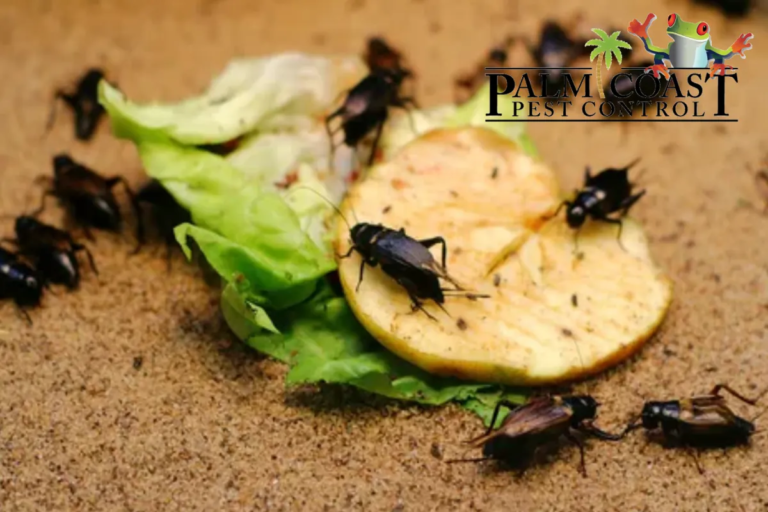
Homes can experience different pest problems throughout the year. Common household pests include ants, cockroaches, termites, rodents, spiders, fleas, ticks, bed bugs, and wasps.
Some pests are mainly a nuisance, while others can cause property damage or create health concerns.
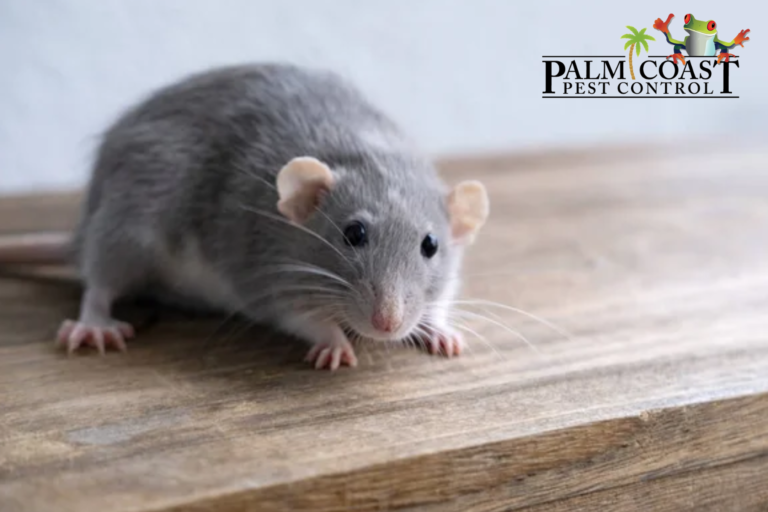
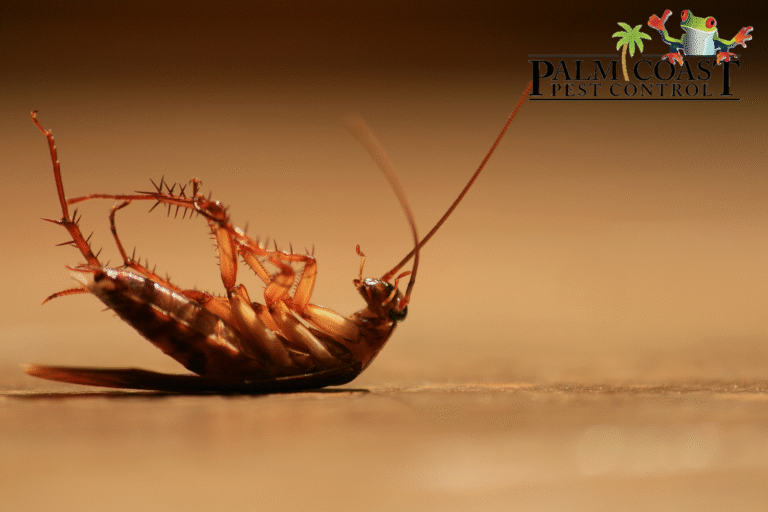
For example, termites feed on cellulose materials and can damage wooden parts of a home. Rodents may chew on insulation, stored items, and electrical wiring. Cockroaches can contaminate surfaces, while mosquitoes and ticks can carry diseases.
Professional pest control in Jupiter focuses on identifying the specific pest before choosing a treatment. This helps avoid using the wrong product or method for the problem.
Knowing the early signs of an infestation can help you act before the problem becomes more serious.
Common signs include:
Some pests are active mainly at night, so you may not see them during the day. Finding physical evidence can be just as important as seeing a live pest.
If signs continue to appear after basic cleaning or household treatment, a professional inspection can help determine what is causing the problem.
Regular inspections help identify pest activity before it develops into a larger infestation. A technician can check common hiding areas, entry points, moisture-prone spaces, and other areas where pests may be active.
Prevention is an important part of pest management. Depending on the pest and property, professionals may use targeted treatments around common entry points and areas where pests are likely to enter.
Pest activity can change throughout the year. Some insects become more active during warmer months, while rodents may seek shelter indoors when conditions outside become less favorable.
Ongoing pest control allows treatment and monitoring to be adjusted based on seasonal pest activity.
Professional technicians can apply treatments to specific areas where pests are active or likely to enter. Using products according to their label directions and focusing treatment where it is needed can help reduce unnecessary exposure.
Pest control does not always end after one treatment. Follow-up inspections and monitoring can help determine whether pest activity has decreased and whether additional prevention is needed.
This ongoing approach is often more effective than simply treating pests whenever they become visible.
Professional pest control offers several benefits beyond simply removing pests you can see.
Different pests require different treatment methods. A professional can identify the pest and look for conditions that may be supporting the infestation.
Professionals can create a treatment plan based on the type of pest, where it is active, and how extensive the problem is.
Pests often enter through small gaps around doors, windows, utility lines, vents, roofs, and foundations. Identifying these areas can help reduce the chance of future infestations.
Treating the source of an infestation and addressing conditions that attract pests can provide longer-lasting results than simply removing visible pests.
Experienced technicians understand pest behavior, treatment methods, product labels, and safety practices. Their knowledge can make the treatment process more effective and controlled.
The treatment used depends on the pest and the property.
Common professional methods include:
For example, rodent control may involve traps, bait stations, and sealing potential entry points. Termite control may involve soil treatments, bait systems, or other methods based on the type of termite and property conditions.
A good pest control plan focuses on more than killing visible pests. It also looks at why they are there and how to reduce the chance of them returning.
DIY pest control can be useful for minor problems, but it may not solve a larger or recurring infestation.
One common issue is treating only the visible pests. If the nest, colony, breeding area, or entry point remains untreated, the problem can return.
Using too much of a product can also create unnecessary risks, while using the wrong product may have little effect on the pest.
If you have repeatedly treated a pest problem and continue to see activity, professional pest control may be a better option.
Choosing a pest control company requires more than comparing prices.
Look for a provider that:
Homeowners searching for pest control in Jupiter, FL should also consider whether the company understands the types of pests common to the area and can provide a treatment plan based on the property.
A trustworthy company should be willing to explain what it found, what it recommends, and why the treatment is appropriate.
Professional pest control companies may offer both one-time treatments and ongoing maintenance plans.
Depending on the company, services may include:
General pest control can address common household insects and other nuisance pests. Regular service may help prevent recurring problems.
Termite services focus on finding termite activity and protecting the structural parts of the property from further damage.
Rodent control can include inspection, trapping or baiting, monitoring, and recommendations for closing potential entry points.
Bed bug treatment requires careful inspection because these pests can hide in mattresses, furniture, cracks, and other hard-to-see areas.
Wasps, hornets, and other stinging insects may build nests around roofs, eaves, trees, sheds, and other parts of a property. Professional treatment can help reduce the risk of stings and remove active infestations.
The treatment method depends on the pest and the situation.
Baits can be used for certain insects and rodents. Pests consume or interact with the bait, allowing the treatment to target the pest population.
Trapping is commonly used for rodents and can help remove pests from a property without relying solely on chemical treatments.
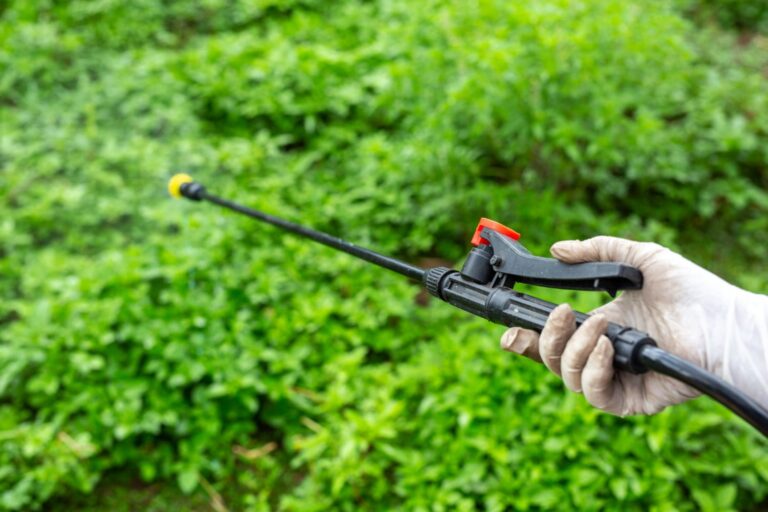
Technicians may apply products to specific areas where pests are active or likely to enter. Treatments should always be used according to product label directions.
Exclusion focuses on preventing pests from entering the property. This may include sealing gaps, repairing screens, improving door seals, and addressing other possible entry points.
Heat can be used for certain pest problems, including some bed bug infestations. The treatment must be performed correctly to reach the temperatures needed to affect pests throughout the treated area.
Effective pest control is not only about removing an infestation. Prevention can help reduce the chance of the problem returning.
Homeowners can help by:
Professional maintenance can add another layer of protection through regular inspections, monitoring, and preventative treatments.
This is one reason many homeowners choose ongoing Jupiter pest control instead of waiting until an infestation becomes severe.
Safety should be an important part of any pest control service.
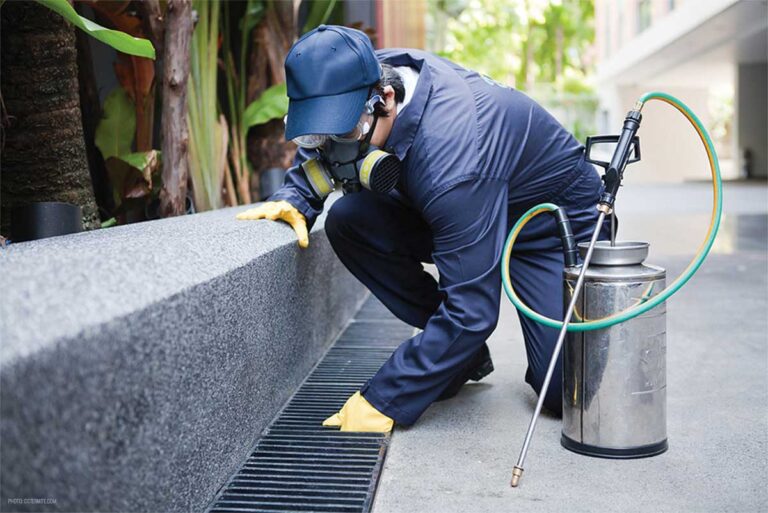
Professional technicians should inspect the property before treatment and determine which methods are appropriate for the pest and location.
They should also follow product label directions, use the required protective equipment, and explain any preparation or re-entry instructions to the customer.
Homeowners should always follow the technician’s instructions regarding children, pets, food, treated areas, and ventilation.
Using the correct treatment in the correct location is an important part of responsible pest management.
The cost of pest control varies depending on several factors, including:
A minor pest problem may require a simple treatment, while a larger infestation may require several visits and additional monitoring.
Instead of choosing a company based only on the lowest price, consider what is included in the service and whether the company provides follow-up support.
Some professional pest control companies offer service guarantees or warranties, but the terms can vary.
Before signing up, ask what the guarantee covers, how long it lasts, and whether additional treatments are included if pest activity continues.
A clear written agreement can help you understand what to expect from the service.
Getting started does not have to be complicated.
This proactive approach can help address pest problems before they become larger and more expensive to manage.
Pest control providers must follow applicable laws and regulations governing their services. Licensing and certification requirements vary by state and may depend on the type of pest control work being performed.
When hiring a professional, ask whether the company and its technicians meet the licensing and training requirements that apply to the services they provide.
It is also reasonable to ask about treatment methods, safety procedures, service terms, and any guarantees before work begins.
If you continue seeing pests, find signs of an infestation, notice property damage, or cannot identify where the pests are coming from, a professional inspection can help determine the best next step.
Professional pest control can be performed safely when technicians use appropriate products and follow label directions and safety procedures. Always follow any instructions provided before and after treatment.
The ideal schedule depends on the pest, property, season, and level of risk. Some homes may benefit from regular maintenance, while others may only need treatment when a specific problem develops.
Professional pest control can help reduce the chance of recurring infestations by combining treatment with monitoring and prevention. However, no treatment can guarantee that pests will never return.
Call a professional when you notice repeated pest activity, signs of a growing infestation, property damage, or pests that are difficult to control with basic household methods.
Professional pest control is about more than getting rid of pests after they appear. A complete approach combines inspection, proper identification, targeted treatment, prevention, and ongoing monitoring.
Whether you are dealing with insects, rodents, termites, bed bugs, or another pest, Palm Coast Pest Control can help you understand the problem and choose an appropriate solution.
If you are researching pest control, focus on companies that provide clear explanations, trained technicians, safe treatment practices, and solutions designed around the needs of your property. Taking action early can help limit pest damage and make long-term pest prevention easier to manage. Contact us today to get started!
LEARN MORE HERE:
Pest Control Prep: The Hidden Costs of Ignoring Pest Control in Your Home
Pest Control Prep: What to Do Before and After Your Appointment