Gardening in Florida is an enjoyable activity, but it can be frustrating when pests threaten your plants. Proper pest control in surrounding areas starts with identifying garden pests early. Knowing how to spot common pests and their damage is essential for protecting your garden. In this post, we’ll guide you through garden pest identification in Florida, covering everything from pest eggs to identifying tiny garden pests, and providing tips for effective pest control.
Identifying garden pests can be tricky, especially in Florida, where the warm climate is home to a variety of pests. The first step in Jupiter pest control is to familiarize yourself with the types of pests that commonly affect gardens in the area. These include insects like aphids, caterpillars, and beetles, as well as rodents and other wildlife.
Signs of garden pests to look for:
Regularly inspecting your plants can help you detect pest issues early before they spread.
When it comes to identifying garden pests, understanding the types that are most common in Florida is essential. Here are some of the typical pests you’ll encounter:
Pest control services in Jupiter frequently address these pests, especially since Florida’s climate is conducive to their growth and reproduction. Early identification of garden pests will ensure they’re dealt with promptly, minimizing damage to your plants.
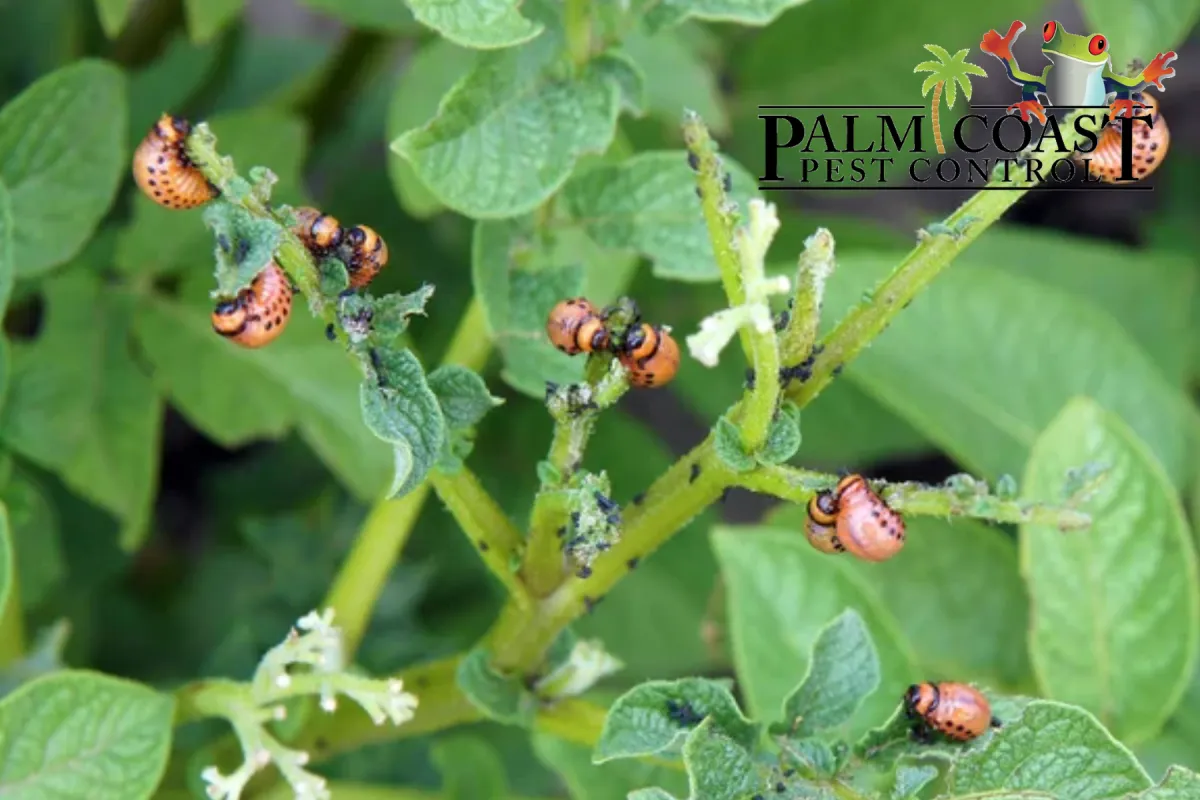
Garden pest eggs identification is critical to preventing a full-blown infestation. Many pests lay their eggs on the backs of leaves, on plant stems, or even on the soil surrounding plants. By knowing how to spot these eggs early, you can stop pests before they become adults and cause damage.
How to Spot Pest Eggs:
Removing pest eggs as soon as you spot them can greatly reduce the risk of an infestation.
Some garden pests are tiny identifying garden pests that are difficult to see with the naked eye. Even these small pests can cause big problems in your garden. Recognizing the early signs of damage can help you identify and control these pests before they cause serious harm.
Common Tiny Pests to Watch For:
Professionals can help treat these tiny pests with specialized methods that target their specific behaviors.
Once you’ve identified garden pests in your Florida garden, the next step is taking action to control them. There are several natural and chemical methods to keep pests at bay.
Tips for Effective Pest Control:
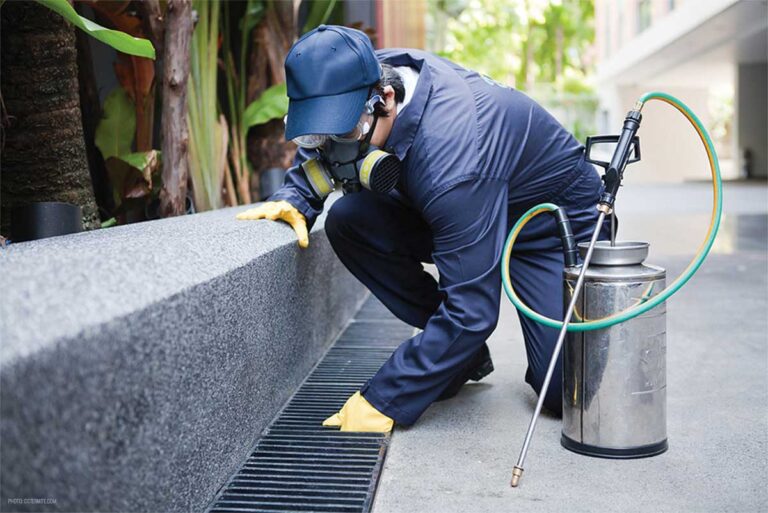
If natural remedies don’t work, you may need to rely on pest control in Jupiter, FL, services to manage more severe infestations. Professionals can apply treatments tailored to the pests in your garden, ensuring that your plants stay protected.
Sometimes, a DIY approach isn’t enough to control an infestation. In such cases, we offer expert solutions. With their expertise and advanced treatments, Palm Coast Pest Control can handle the most persistent infestations, including termites, which are especially problematic in Florida.
A professional company will:
If you’ve spotted pests in your garden or need help, we are here to help. Our expert team offers reliable pest control solutions to protect your garden year-round. Contact us today for an inspection or to schedule a consultation on how to prevent pests in your garden.
What are the most common garden pests in Florida?
Common pests include aphids, caterpillars, beetles, and mites, all of which can damage plants in various ways.
How do I identify garden pest eggs?
Look for small, oval clusters of eggs on the underside of leaves or stems. Pest eggs often hatch into larvae, which can cause further damage.
What are tiny garden pests that are hard to spot?
Spider mites, fungus gnats, and thrips are examples of tiny identifying garden pests that can be difficult to spot without careful observation.
THE TOP 3 WINTER PESTS IN FLORIDA