Have you ever stepped on a fire ant mound? If so, you probably remember the intense burning sensation that followed. Fire ants are among the most aggressive lawn pests in Florida because they attack in large numbers and can sting repeatedly. If you’ve discovered fire ant mounds around your home, acting quickly is the best way to protect your family, pets, and outdoor spaces.
In Jupiter, Florida, the warm climate allows fire ants to stay active throughout much of the year. Learning how to identify these pests, understand their behavior, and prevent infestations can help you avoid painful encounters and protect your property.
Jupiter’s warm temperatures, sandy soil, frequent rainfall, and lush landscapes create ideal conditions for fire ants. They thrive in sunny, open areas such as residential lawns, parks, playgrounds, golf courses, and landscaped commercial properties.
Heavy rain can also cause colonies to relocate, leading to new mounds appearing seemingly overnight. Since neighboring colonies can easily spread across property lines, fire ants often become a recurring problem if the entire infestation isn’t properly managed.
For homeowners looking for reliable pest control in Jupiter, understanding why fire ants are so common is the first step toward preventing future infestations.
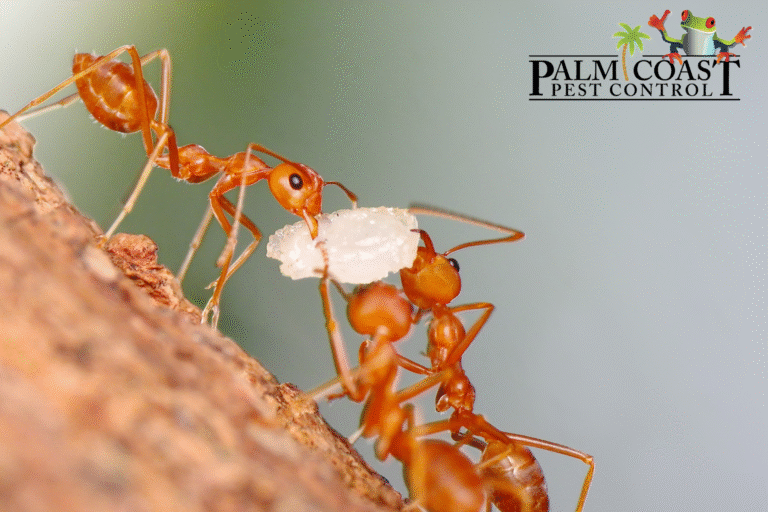
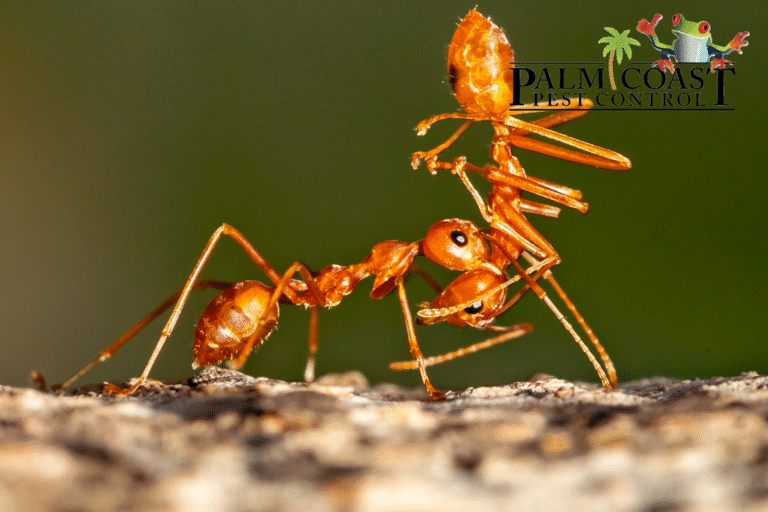
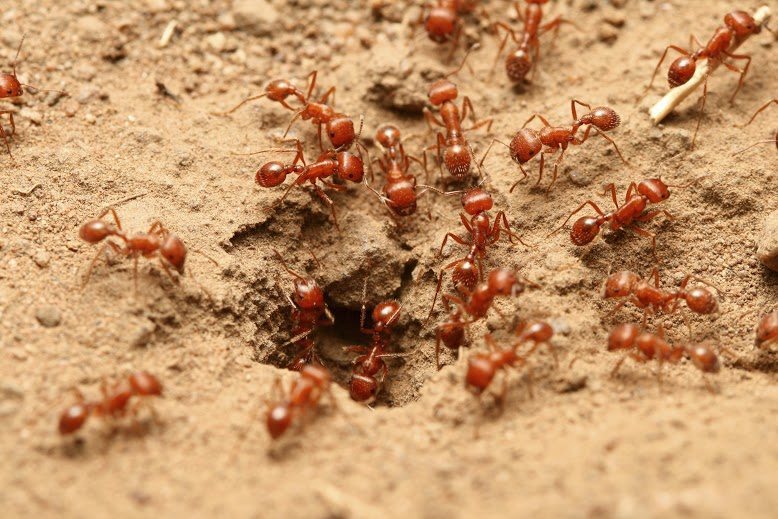
Fire ants are reddish-brown and range from approximately 1.6 mm to 5 mm in length. Unlike many other ant species, workers within the same colony vary in size. Each worker has a visible stinger that allows it to sting multiple times.
Their nests appear as loose soil mounds that typically measure between two and four square feet. Most mounds don’t have a visible entrance hole. Instead, the ants tunnel deep underground and quickly emerge when the mound is disturbed.
A mature colony may contain anywhere from 100,000 to 500,000 worker ants. Many colonies also contain multiple queens, allowing them to recover quickly if one queen dies or part of the colony is destroyed.
One reason fire ants are so persistent is their ability to rebuild.
Fire ant colonies often spread through:
Simply treating one visible mound rarely solves the entire problem. Because colonies often have multiple queens hidden underground, new worker ants can continue appearing even after surface activity seems to disappear.
Professional treatment focuses on reducing the entire colony rather than only eliminating visible mounds.
Early detection makes fire ant control much easier.
Watch for these common warning signs:
If you notice several of these signs, your property may have multiple active colonies.
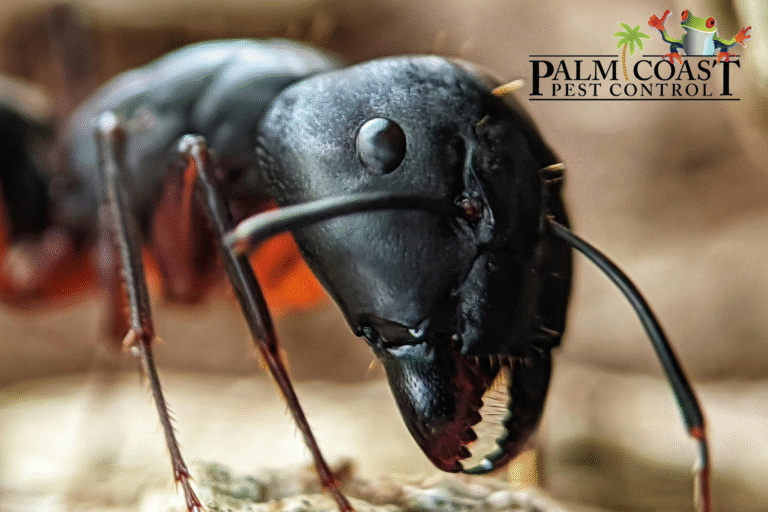
When threatened, fire ants first use their powerful mandibles to grip the skin. They then pivot in a circle while repeatedly injecting venom with their stinger.
Unlike bees, a single fire ant can sting multiple times.
Their venom contains alkaloids that create the familiar burning sensation. Most people develop painful red bumps that later become small white pustules. While these usually heal within several days, scratching them may increase the risk of infection or scarring.
Many homeowners ask, do fire ants die after they sting?
The answer is no.
Unlike honey bees, fire ants survive after stinging because their stingers are smooth rather than barbed. This allows them to sting repeatedly, making them far more aggressive during an attack.
Another common question is whether fire ants leave stingers behind.
Generally, they do not.
Because their stingers are not barbed, fire ants withdraw them after each sting and continue attacking. The painful reaction comes from the venom injected into the skin—not from a stinger left behind.
People often wonder, can red ants kill you?
For most healthy individuals, fire ant stings cause temporary pain, swelling, itching, and pustules that heal over time.
However, some people are allergic to fire ant venom and may develop a severe allergic reaction called anaphylaxis. Symptoms may include:
Anyone experiencing these symptoms should seek emergency medical care immediately.
Young children, older adults, pets, and anyone receiving dozens or hundreds of stings may also require prompt medical attention.
Some homeowners searching for DIY solutions ask, do ants feel pain when burned.
Scientists continue studying how insects respond to injury, but burning fire ant mounds is not an effective or recommended control method. Fire can damage your lawn, create safety hazards, and rarely reaches the underground queens responsible for the colony’s survival.
Instead, focus on proven fire ant management techniques that target the entire colony safely.
Many over-the-counter products only eliminate the worker ants you can see.
DIY treatments frequently fail because:
For lasting results, treatments should target the entire colony rather than individual ants.
If you suspect fire ants on your property:
If you are stung, wash the affected area with soap and water, apply a cold compress, and avoid scratching the pustules. If severe allergic symptoms develop, seek emergency medical attention immediately. If you continue finding fire ant mounds around your property, consider contacting a trusted Jupiter pest control professional to inspect your yard and recommend a long-term solution.
Because fire ants are difficult to eliminate completely, professional treatment is often the most reliable solution.
A professional inspection typically includes:
This comprehensive approach offers better long-term protection than treating individual mounds as they appear.
Although no property is completely immune to fire ants, these simple practices can help reduce your risk:
Jupiter’s warm weather, sandy soil, and frequent rainfall create ideal conditions for fire ants to build colonies and remain active for much of the year.
Yes. While activity may slow during cooler weather, Florida’s climate allows fire ants to remain active throughout most of the year.
Fire ants don’t usually feed on grass, but their large mounds can interfere with mowing, create tripping hazards, and make outdoor spaces difficult to enjoy.
Treating only one mound rarely eliminates the problem. A comprehensive treatment plan targeting the entire colony provides more reliable, long-term control.
Yes. Multiple mounds often indicate multiple colonies or neighboring infestations. A professional inspection can identify the full extent of the problem and recommend the most effective treatment plan.
Fire ants are more than just a painful nuisance—they can quickly turn your yard into an unsafe place for children, pets, and outdoor activities. Because colonies often contain multiple queens and can spread across neighboring properties, treating a single mound isn’t always enough to stop the problem from returning.
If you’ve noticed fire ant mounds or repeated stings around your home, it’s best to have the issue evaluated before it gets worse. At Palm Coast Pest Control, we’ve spent more than 35 years helping homeowners with dependable solutions throughout Florida’s east coast. Our experienced technicians provide honest inspections, explain your options clearly, and use child- and pet-friendly treatment methods that deliver effective, long-lasting results.
Whether you need fire ant treatment or complete pest control in Jupiter, FL, our family-owned team is here to help protect your home, lawn, and loved ones with solutions you can trust.
Schedule your service today, request a no-obligation quote, and ask about our 10% discount for new customers. With same-day and emergency service available, Palm Coast Pest Control makes it easy to get fast, dependable solutions backed by our 100% satisfaction guarantee. If the pests come back, so do we.
Learn more here:
From Trails to Nests: How the Best Ant Killers Tackle Every Stage of an Infestation