The best way to keep pests out of your home during the rainy season is to seal possible entry points, reduce moisture, keep your yard clean, and remove food sources that may attract them. Heavy rain can flood pest nests and disturb their usual hiding places, causing ants, cockroaches, termites, and other pests to search for dry shelter indoors.
Florida’s rainy season can make pest activity more noticeable around homes. By taking a few simple preventive steps and addressing pest problems early, you can reduce the chances of unwanted insects finding their way inside.
Heavy rain can create difficult conditions for pests living outdoors. Water may flood nests, disturb hiding places, wash away food, and force insects to search for a safer location.
Ants are especially likely to move after heavy rain because many species build nests in soil. When water enters the nest, ants may leave and search for a dry place to establish a new shelter.
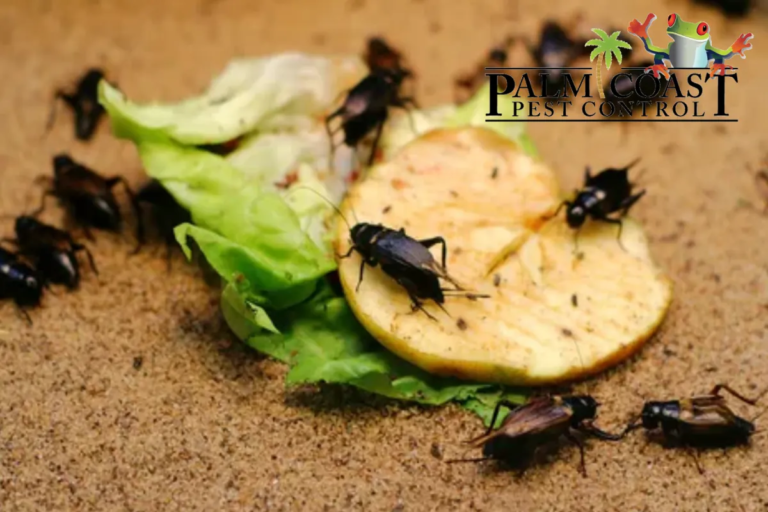
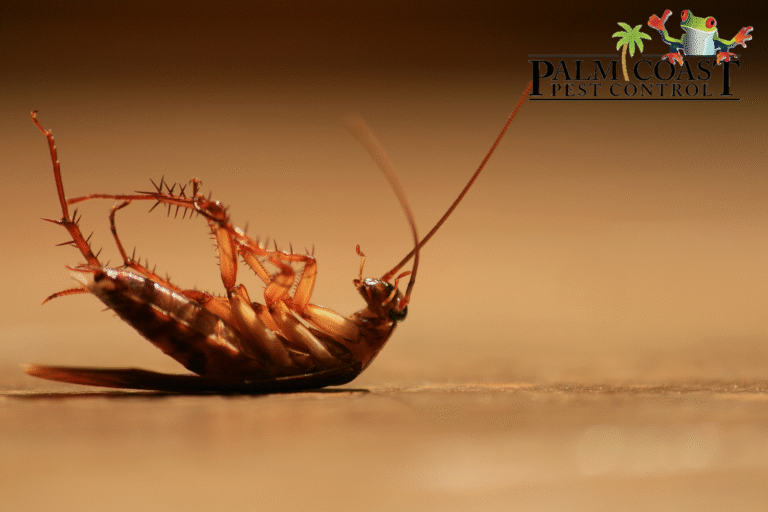
Other pests, including cockroaches and termites, may also become more noticeable after periods of heavy rain. Moisture around the home can create conditions that attract certain pests, while small openings can give them easy access indoors.
If pest activity becomes frequent after storms, professional pest control in Jupiter can help identify where pests are entering and what may be attracting them.
A few simple home maintenance steps can make your property less inviting to pests during wet weather.
Gaps around exterior doors can provide an easy entry point for insects. Check your door sweeps and seals for signs of wear and replace damaged materials when needed.
Make sure the bottom and sides of exterior doors close tightly. Even small gaps can allow pests to enter when they are looking for shelter from heavy rain.
Inspect the exterior of your home for cracks and openings around the foundation, walls, windows, utility lines, and other areas.
Seal appropriate gaps with a suitable material to help reduce potential entry points. Pay close attention to areas where pipes, cables, and other utilities enter the home.
Window and door screens can help keep flying and crawling insects outside. Inspect them regularly for holes, tears, or loose edges.
Repair or replace damaged screens, especially before periods of heavy rain. This simple step can help reduce the number of insects that find their way indoors.
Moisture can create favorable conditions for certain pests, including termites. Keep firewood, lumber, cardboard, and other wood materials away from excessive moisture when possible.
Store firewood off the ground and away from the home’s exterior. Also address leaks and areas where water regularly collects near wooden structures.
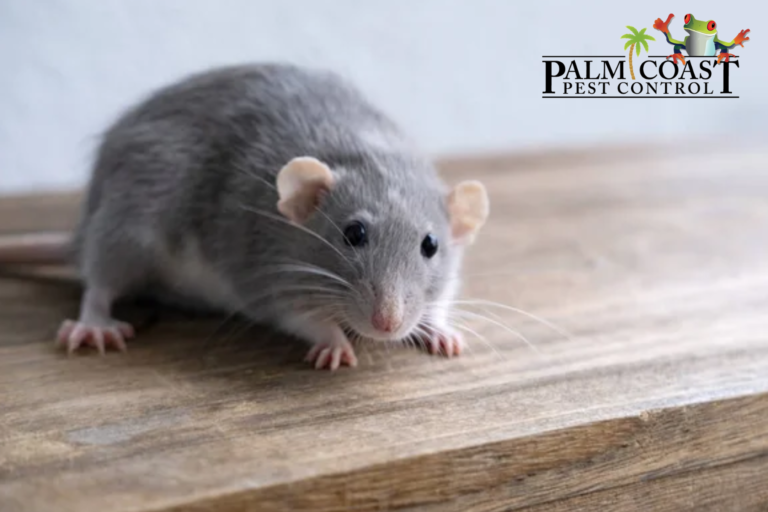
Food waste can attract ants, cockroaches, rodents, and other pests. Keep garbage containers closed and clean up food spills promptly.
During rainy weather, make sure trash does not accumulate around the property. Keeping outdoor areas clean can reduce potential food sources that attract pests.
Many flying insects are attracted to certain types of outdoor lighting. Turning off unnecessary exterior lights at night can help reduce insect activity around doors and windows.
You can also consider using outdoor bulbs that are less attractive to insects. Positioning lights away from entry points may further reduce the number of insects gathering near your home.
Standing water can attract mosquitoes and create other moisture-related pest problems. Check your yard after heavy rain for areas where water remains for long periods.
Keep gutters and downspouts clear and make sure water drains away from the foundation when possible. Addressing drainage issues can help reduce moisture around the home.
Overgrown plants, piles of leaves, and damp organic material can provide pests with places to hide.
Trim vegetation away from exterior walls, remove excess yard debris, and keep areas around the home clean. Good landscaping maintenance can make it harder for pests to move from outdoor hiding spots into the house.
Seeing an occasional insect after a heavy storm does not always mean you have a major infestation. However, repeated pest activity may indicate that pests are entering through an opening or finding favorable conditions around your property.
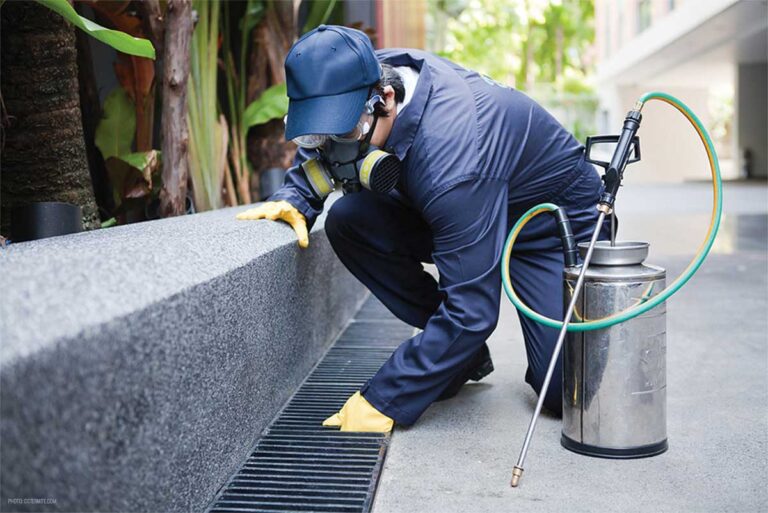
A professional technician can inspect the home, identify signs of pest activity, and look for possible entry points or conditions that may be contributing to the problem.
If you continue finding ants, cockroaches, termites, or other pests indoors after storms, pest control in Jupiter, FL can help you determine the most appropriate way to address the issue.
Professional pest management can focus on both current pest activity and prevention.
Depending on the situation, a technician may:
The goal is not simply to remove the pests you see. Effective pest management also looks at why pests are getting inside and how to reduce the chance of the problem returning.
Waiting until pests become a major problem can make an infestation harder to manage. Preventive steps such as sealing openings, fixing screens, improving drainage, and keeping outdoor areas clean can reduce opportunities for pests to enter.
Regular inspections can also help identify developing problems before they become more serious.
For homeowners who regularly experience pest activity after storms, ongoing Jupiter pest control can provide an added layer of protection through inspection, treatment, and monitoring.
If you notice pests inside after heavy rain, start by checking where they may be entering. Look around doors, windows, plumbing openings, vents, and cracks along exterior walls.
Remove accessible food and water sources and clean areas where pests have been active. Avoid using excessive amounts of household pest products, especially if you are unsure what type of pest you are dealing with.
If the activity continues or you notice a large number of pests, contact a professional for an inspection. Proper identification can help ensure that the right treatment is used.
Heavy rain can flood underground ant nests and disturb their food sources. Ants may move indoors or search for another dry location to establish a new nest.
Heavy rain can disturb outdoor hiding places and may cause cockroaches to search for drier shelter. Cracks, drains, and gaps around doors or plumbing can provide entry points.
Rain can increase moisture around soil and structures, which may create favorable conditions for termites. Moisture problems should be addressed as part of termite prevention.
Seal cracks and gaps, repair screens, maintain door seals, keep food and trash contained, clear gutters, improve drainage, and keep vegetation away from the home.
Consider professional help if you repeatedly find pests indoors, notice signs of an infestation, see property damage, or cannot determine how pests are entering your home.
Rainy weather can change pest behavior and push insects and other pests toward dry shelter. Keeping your home sealed, reducing moisture, maintaining your yard, and removing food sources can help limit pest activity. Palm Coast Pest Control can also help identify pest problems and recommend effective solutions to keep your home protected.
If pests continue entering your home despite your prevention efforts, professional pest management can help identify the source and recommend a suitable solution. Taking action early can make pest problems easier to manage and help protect your home throughout the rainy season. Contact us now to get started.
LEARN MORE HERE:
COMMON PESTS TO LOOK OUT FOR IN FLORIDA