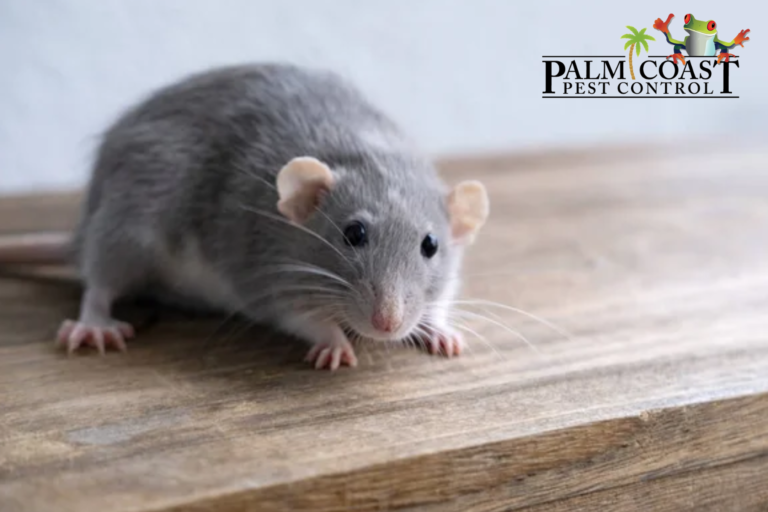
Rodents are among the most common pests found in stables because horse feed, bedding, and other supplies give them easy access to food and shelter. If left unchecked, rodents can damage stored feed, chew through materials, contaminate surfaces, and create health concerns for horses and people.
The good news is that a few simple habits can make your stable much less attractive to rodents. Here are seven practical tips to help keep your stable cleaner and better protected.
Horse feed is one of the biggest reasons rodents are attracted to stables. Plastic bags, paper grain bags, and some wooden containers can be easy for mice and rats to chew through.
Store feed in sturdy, rodent-resistant metal containers with tight-fitting lids. Keep containers closed when they are not being used, and avoid leaving bags of feed or full wheelbarrows sitting out overnight.
Good feed storage not only helps prevent rodents but also keeps your horse’s food cleaner and protected from contamination.
Horses can be messy eaters, and even small amounts of spilled grain can attract rodents. Check stalls and feeding areas regularly and clean up spilled food as soon as possible.
Avoid sweeping spilled feed outside, where rodents can easily find it. Instead, collect it and dispose of it in a closed container.
A clean feeding area gives rodents fewer reasons to stay around your stable.
Rodents look for dark, quiet, and sheltered areas where they can hide and build nests. You can make your stable less appealing by keeping storage areas organized, improving lighting, and reducing clutter.
Also check for moisture problems. Fix leaks and improve drainage where needed to keep stalls, aisles, and storage spaces as dry as possible.
Regular cleaning and organization can make it easier to spot signs of rodent activity before the problem becomes larger.
Feeding horses from tubs or feeders raised off the floor can help reduce spilled feed. It can also make it harder for rodents to reach leftover food.
Choose feeders that are sturdy and easy to clean. Check them regularly and remove any leftover feed that could attract pests.
Reducing the amount of food available on the ground is a simple but useful part of stable pest prevention.
Rodents can use blankets, saddle pads, leg wraps, bandages, and similar materials to build nests.
Keep these items inside tightly sealed storage containers when they are not being used. Make sure everything is completely dry before storing it, as damp materials can create additional problems.
Keeping soft materials off the floor and away from potential nesting areas can also make your stable easier to inspect.
Traps can help control small rodent problems when they are placed in areas where rodents are active. Place them where horses and other animals cannot accidentally reach them.
Avoid using rodent poison in areas that horses, dogs, cats, or other animals can access. Rodenticides can be dangerous if accidentally consumed.
If you continue finding droppings, damaged feed containers, nesting materials, or other signs of rodents despite your efforts, professional help may be needed.
For stable owners looking for pest control in Jupiter, Palm Coast Pest Control can inspect the property and recommend an appropriate approach based on the type and level of pest activity.
A properly cared-for barn cat may help reduce rodent activity around some stables. However, cats should not be viewed as a replacement for proper sanitation, food storage, and exclusion.
If you keep a barn cat, make sure it has access to food, clean water, shelter, and appropriate veterinary care.
Combining good stable management with other prevention methods can provide better long-term protection.
Rodents are often active at night, so you may not see them during the day. Instead, look for signs such as:
Finding these signs early gives you a better chance of addressing the problem before rodents become established.
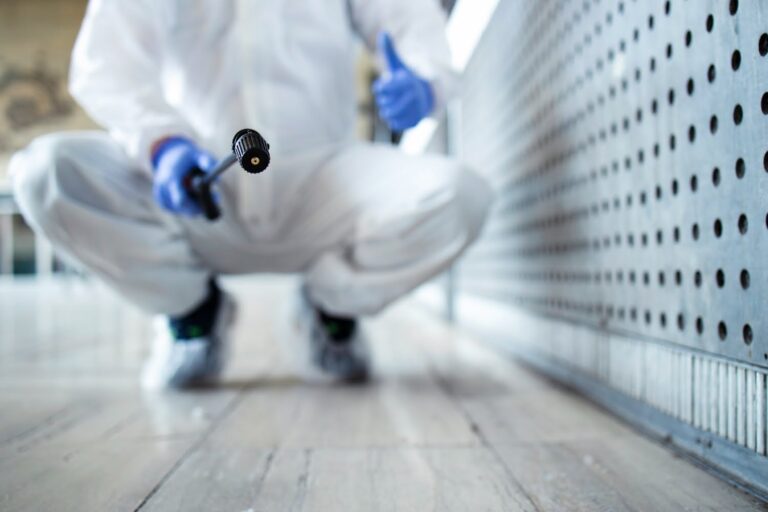
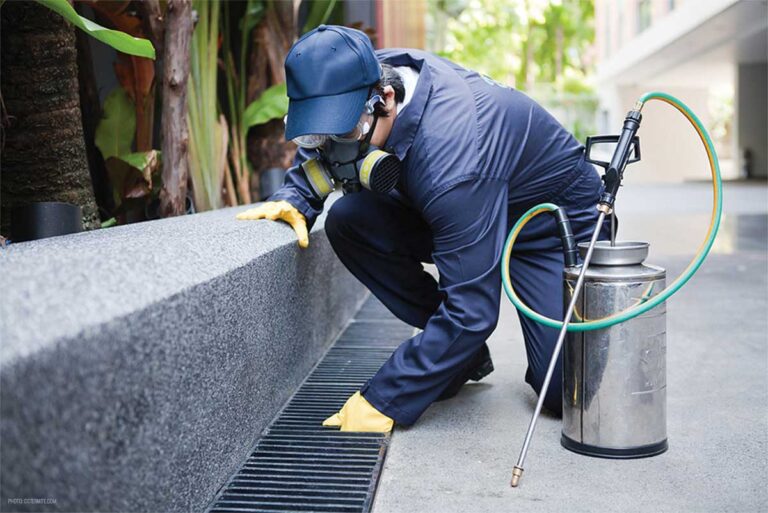
When rodent activity continues despite cleaning and prevention, a professional inspection can help identify where rodents are entering and what is attracting them.
A technician can look for possible entry points, nesting areas, food sources, and other conditions that may be supporting rodent activity. Treatment and prevention recommendations can then be tailored to the property.
For homeowners and property owners searching for pest control in Jupiter, FL, working with an experienced pest management company can provide an additional layer of protection.
Keeping rodents out of a stable starts with removing the things they need most: food, water, shelter, and easy entry points. Store horse feed in secure containers, clean feeding areas regularly, reduce clutter, and protect soft materials from nesting.
If you notice ongoing rodent activity or signs of a larger infestation, a treatment from Palm Coast Pest Control can help identify the problem and recommend practical solutions for your property.
Don’t let rodents put your horses, feed, and stable at risk. Contact us today to learn more about your pest management options.
LEARN MORE HERE:
THE 3 WORST FLORIDA PESTS FOR YOUR LAWN