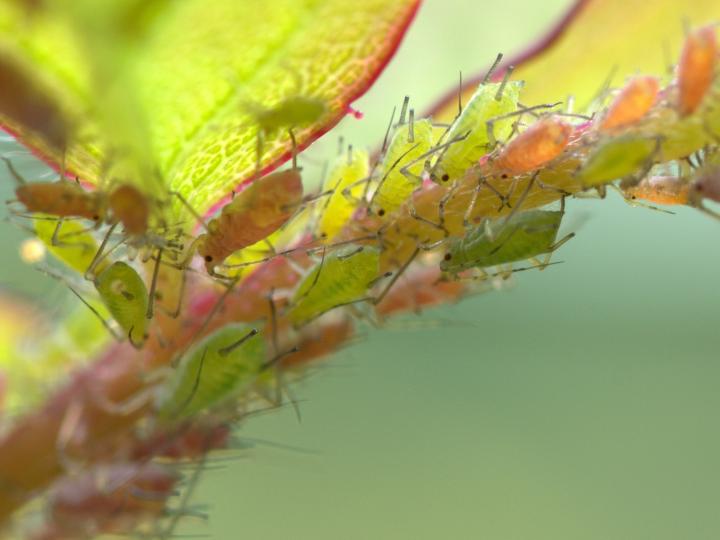
Noticing tiny green bugs on your plants? These could very well be aphids, a common garden pest that feeds by sucking the nutrient-rich liquids from your plants. Green little bugs on plants might look small, but they can cause significant damage if left unchecked. Aphids are soft-bodied insects that can come in various colors, including green, black, yellow, pink, and more. These green bugs that eat plants can often be found on the undersides of leaves, stems, and flowers, where they feed and reproduce.
Aphids are typically less than ¼ inch long, and although most are wingless, some species develop wings when populations grow too large. These winged aphids help spread the infestation to new plants and begin forming new colonies. This rapid spread can quickly affect your garden if not controlled.
When you see green bugs on flowers or green garden bugs in your garden, it’s a sign of aphid infestation. Aphids are particularly dangerous because they multiply quickly, with multiple generations appearing in just one growing season. They damage plants by feeding on their sap, causing leaves to become misshapen, curled, or yellowed. You may also notice a sticky honeydew substance coating the plant, which can attract ants and lead to fungal growth called sooty mold.
The feeding activity of green bugs on flowers and other plants can also cause stunted growth and distorted fruit. Left uncontrolled, aphids can significantly weaken plants, leaving them vulnerable to other pests and diseases.
To identify aphids early and stop them from spreading, look for these signs:
Checking the undersides of leaves is essential, as aphids often hide there. If you notice these signs, it’s time to act before the aphids cause further damage.
The sooner you can identify and manage aphids, the easier it will be to control them. Pest control in Jupiter, FL, can help prevent further damage if you’re dealing with a large aphid population. Here are a few ways to handle aphid infestations:
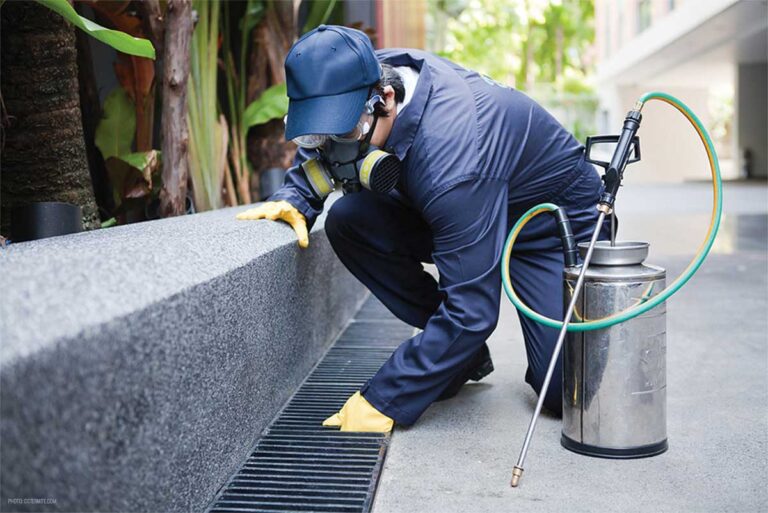
For larger infestations, or if DIY methods aren’t enough, it’s best to consult a professional. Jupiter pest control experts can assess your situation and implement targeted treatments to quickly and effectively eliminate aphids.
If your plants are showing signs of damage from aphids or if you’re unsure how to handle a larger infestation, it’s always a good idea to call in an expert. Palm Coast Pest Control can offer a more thorough inspection and provide tailored treatments to eradicate aphids and prevent future outbreaks.
Pest control in Jupiter helps keep your plants healthy and protected, especially when dealing with persistent pests like aphids. With the right approach, you can safeguard your garden from further damage and restore plant health.
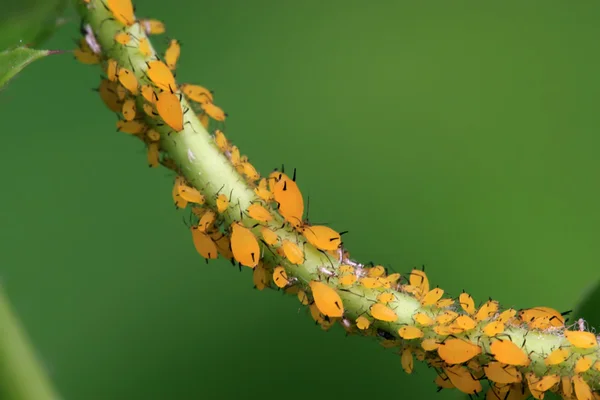
Aphids are tiny, soft-bodied insects that can come in a variety of colors, including green, black, yellow, pink, and more. They are typically under ¼ inch long and often found on the undersides of leaves.
Aphids spread quickly by producing winged forms when their populations grow large. These winged aphids move to new plants, starting new colonies and spreading the infestation.
Signs of an aphid infestation include yellowing or curling leaves, sticky honeydew residue, black sooty mold, and deformed flowers or fruit. Check the undersides of leaves for aphids.
Without control, aphid populations can grow rapidly and cause significant damage in just a few weeks. Early intervention can prevent prolonged infestations and plant damage.
If you have a large infestation or difficulty controlling aphids on your own, it’s best to consult with an expert. Professionals can provide targeted treatments to eliminate aphids effectively.
We specialize in pest control and are here to help you protect your plants from aphids and other harmful pests. If you’re struggling with aphid infestations or need help with plant care, contact us today for a consultation. Our experienced team is ready to provide effective solutions tailored to your needs.